- Exceptional character development and depth
- Emotionally resonant and impactful storytelling
- Realistic portrayal of life themes
- Inconsistent quality across character routes
- Dated pacing and outdated visuals
- Forced route-locking mechanics frustrate players
Emotions
What players like:
Common complaints:
Gameplay feedback:
Performance notes:
Recommendations:
Other player notes:
Similar games
Blend with other games






Review evidence
Why players say this
Review evidence
Why players say this
What players like
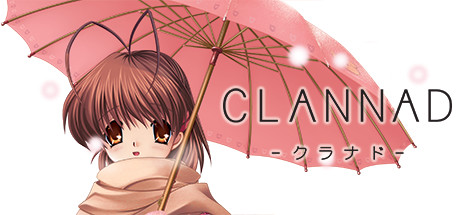
Exceptional character development: The game is praised for its deep, nuanced, and emotionally impactful character development, particularly for the protagonist and supporting characters. Players highlight the relatable growth arcs, psychological depth, and realistic portrayal of relationships.
Emotionally resonant storytelling: The narrative is celebrated for its thematic richness, exploring themes like family, love, loss, and personal growth. Players describe the story as deeply moving, thought-provoking, and capable of evoking strong emotional reactions, including tears and reflection.
Realistic portrayal of life: The game is commended for its realistic depiction of daily life, relationships, and personal struggles. It balances mundane moments with profound themes, making the story feel authentic and relatable to players' real-life experiences.
Expanded content over anime: The visual novel provides additional depth, details, and unique emotional experiences not fully captured in the anime adaptation. Players appreciate the extra content, including character backstories, routes, and endings that enrich the overall narrative.
Common complaints
Inconsistent character route quality: Multiple routes are criticized for being underdeveloped, rushed, or poorly executed (e.g., Katsuki, Ryou, Fuko). Players report frustration with uneven emotional payoff and repetitive tropes across storylines.
Protagonist and character flaws: Tomoya’s unlikable personality, abusive behavior (e.g., bullying Sunohara), and unrealistic relationships (e.g., Tomoyo’s toxicity) detract from immersion. Some characters lack depth or development.
Forced route-locking mechanics: Players must replay or complete specific routes (e.g., Ryou before Kyou) to unlock others, disrupting narrative flow and causing frustration. This archaic design is frequently cited as a barrier to enjoyment.
Filler content and weak endings: Some routes (e.g., Kappei, Grandpa) and the School Mode are dismissed as unnecessary filler. Alternative endings and abrupt conclusions (e.g., Ryou’s route) feel underdeveloped.
Dated pacing and structure: The game’s slow pacing, long common route, and reliance on text-heavy storytelling feel tedious, especially in early segments. Players note the need for walkthroughs due to confusing branching paths.
Gameplay and performance
Branching narratives with multiple routes: The game features a visual novel structure with numerous character-specific routes, branching storylines, and multiple endings based on player choices. This design encourages replayability and exploration of different narrative paths.
Guide dependency for completion: Due to the complexity of the branching narratives and route-locking mechanics, players often rely on guides to avoid spoilers, unlock hidden content, or achieve the true ending efficiently.
Text-heavy visual novel mechanics: The game relies on passive reading mechanics, extensive dialogue, and text-based choices. It is one of the longest visual novels, with a significant time investment required (75-100+ hours) to complete all routes.
Light orb collection system: A gameplay mechanic involving the collection of 'light orbs' (光玉) is tied to story progression and unlocking the true ending. This system merges gameplay with narrative elements.
Two-part narrative structure: The story is divided into two main segments: school life and 'After Story.' The latter serves as a continuation of the main narrative, requiring multiple playthroughs to unlock its full content.
Stable performance on PC: Players report smooth gameplay with no noticeable bugs or crashes on most PC setups. Compatibility spans both newer and older hardware due to low CPU demands.
Resolution and scaling options: The game offers high-DPI scaling and windowed mode resolution adjustments, enhancing accessibility for different setups.
HD remaster with aspect ratio options: The remaster includes functional HD upgrades and supports 4:3 aspect ratios, improving visual flexibility for players.
Crashing issues reported: Some players experience frequent crashes ('闪退'), disrupting gameplay. This appears to be a persistent technical issue.
Repetitive display settings: Display settings reappear on every startup, forcing players to reconfigure preferences repeatedly.
Recommendations
Ideal for visual novel fans: The game is considered a must-play for fans of visual novels, narrative-driven games, and emotional storytelling. It is often cited as a benchmark for the genre and an entry point for newcomers.
Requires time and patience: The game demands a significant time investment (50-100 hours) and patience due to its slow pacing, dated aesthetics, and repetitive text. It is best enjoyed at a leisurely pace to appreciate its depth.
Dated but valuable experience: While the game features mid-2000s anime art styles and dated elements, reviewers emphasize its value as an interactive 'book' and a timeless classic worth overlooking its flaws.
Anime enhances game experience: Reviewers recommend experiencing both the game and the anime adaptation, as they complement each other. The anime is praised for its tight storytelling and visual improvements, while the game offers more detail and depth.
Guides recommended for progression: First-time players are advised to use external guides for route progression, light orb collection, and accessing true endings. This ensures a smoother and more complete experience.
Other review notes
Translation efforts stalled: Community enthusiasm for language patches is dampened by the stalled translation project (only 4% complete), leaving non-Japanese speakers with incomplete access to the game’s content.
Cultural depth appreciated: Players value the game's portrayal of Japanese societal structures and emotional expression, highlighting its cultural significance. This insight adds educational and narrative value beyond typical visual novels.
Missing Japanese text criticized: The absence of Japanese text in the Steam version frustrates players, limiting authenticity and accessibility for those seeking a bilingual or original-language experience.
Poetic themes resonate: Reviews praise the game’s poetic summaries of character arcs and themes, suggesting its narrative and emotional depth leave a lasting impression on players.
Locked game code hinders modding: The heavily restricted game code prevents asset extraction and modding, disappointing players who wish to engage with the game’s content creatively or for preservation efforts.