- Exceptional storytelling and deep narrative impact
- Outstanding soundtrack enhancing atmospheric immersion
- Sensitive and thoughtful mental health portrayal
- Outdated graphics and unpolished visual presentation
- Slow pacing disrupts narrative flow
- Frequent crashes and unreliable save system
Emotions
What players like:
Common complaints:
Gameplay feedback:
Performance notes:
Recommendations:
Other player notes:
Similar games
Blend with other games






Review evidence
Why players say this
Review evidence
Why players say this
What players like
Exceptional storytelling and narrative: The game is widely praised for its deep, engaging, and emotionally impactful storytelling. Players highlight its unique narrative structure, fluidity, and ability to evoke strong emotions, particularly around themes of trauma, redemption, and life struggles.
Outstanding soundtrack and atmosphere: The soundtrack is frequently described as beautiful, atmospheric, and emotionally resonant, significantly enhancing the game's immersive experience. Players also praise the sound design and its ability to intensify key moments.
Sensitive portrayal of mental health: The game is lauded for its mature, nuanced, and respectful handling of themes like depression, suicide, trauma, and mental illness. Players appreciate its realism, emotional depth, and avoidance of tropes, making it a standout in addressing these topics.
Excellent voice acting and dialogue: Voice acting is frequently described as top-notch, emotionally charged, and perfectly fitting the game's tone. Dialogues are praised for their realism, depth, and ability to enhance character development and immersion.
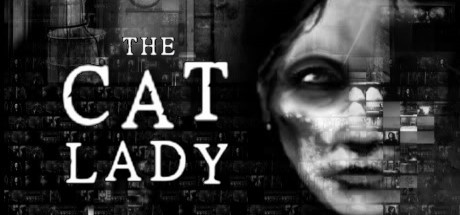
Unique and unsettling art style: The game's visual style is consistently highlighted as unique, immersive, and fitting for its dark and surreal themes. Players appreciate its hand-drawn elements, black-and-white aesthetic with color accents, and how it reinforces the narrative.
Common complaints
Outdated and unpolished graphics: The game's visuals are frequently described as dated, rough, and unpolished, with inconsistent animations and a polarizing art style. Many players found the graphics underwhelming compared to modern standards or even the developer's newer titles.
Outdated controls and interface: The game's controls are described as clunky, unintuitive, and outdated, with limited input options (e.g., no mouse or controller support). The interface is also criticized for being awkward and difficult to navigate.
Slow and uneven pacing: The game's pacing is frequently described as slow, particularly at the beginning, with long stretches of dull or unengaging content. Some players found the pacing uneven, with weak story moments disrupting immersion.
Unreliable save system: The lack of an auto-save feature and frequent save/load issues forced players to complete the game in single sessions or risk losing progress. Some reported save files being deleted or corrupted, particularly on newer systems.
Crashes when alt-tabbing: The game frequently crashes when minimized or when switching windows, disrupting gameplay. This issue is particularly problematic for players who rely on multitasking or use windowed mode.
Gameplay and performance
Point-and-click adventure mechanics: The game blends point-and-click interactions with side-scrolling or keyboard controls, often featuring puzzle-solving and exploration. Mechanics are simple but engaging, though some find them primitive or limited.
Narrative-driven storytelling focus: The game is heavily centered on narrative, with strong emphasis on emotional moments, character development, and multi-layered plots. Players highlight its story-driven gameplay, often prioritizing narrative over mechanics or puzzles.
Puzzles integrated into narrative: Puzzles vary in difficulty and are tied to the protagonist’s psychological themes, requiring interpretation or item combinations. Some are straightforward, while others demand deeper thought or metaphorical reasoning.
Player choices impact narrative: Choices influence dialogue, character fates, and multiple endings, adding replayability. While some paths are linear, key decisions alter outcomes and achievements.
Symbolic and surreal exploration: The game explores surreal themes like dreams vs. reality, subconscious environments, and philosophical ideas. These elements are woven into puzzles and the protagonist’s emotional journey.
Frequent crashes on window switch: The game crashes consistently when minimized, alt-tabbed, or switched out of focus, particularly in fullscreen mode. OpenGL renderer is noted as a workaround for this issue.
Performance and stuttering issues: The game requires manual launch settings adjustments for smooth performance, with occasional stuttering and FPS limitations (e.g., capped at 40 FPS).
Compatibility workarounds required: OpenGL fixes Steam overlay, mouse usability, and crashing issues, while windowed mode resolves Discord-related crashes. Advanced graphics options exist but may not be intuitive.
Audio inconsistencies: Voice recordings clip noticeably, and audio quality varies, detracting from immersion and clarity during gameplay.
No controller support: The game lacks native controller support, limiting accessibility for players who prefer non-keyboard/mouse inputs.
Recommendations
Highly recommended for narrative fans: The game is widely praised for its deep storytelling, emotional depth, and psychological themes, making it a must-play for fans of narrative-driven experiences. Many reviewers highlight its unique atmosphere and strong character development as key strengths.
Appeals to genre newcomers: Reviewers frequently recommend the game even to those who don’t typically enjoy the genre, citing its compelling story and emotional impact as reasons to try it. This broadens its appeal beyond traditional horror or psychological game fans.
Mental health themes require caution: The game explores dark themes like depression, suicide, and grief, which resonate deeply with some players but may be triggering or harmful to others. Reviewers emphasize the need for players to be in the right headspace before playing.
English proficiency recommended: The game relies heavily on text and narrative, so reviewers suggest playing with English subtitles or having some English reading ability to fully understand the story and themes. This may limit accessibility for non-English speakers.
Mixed technical quality: While the game is praised for its story and art, some reviewers note flaws like bugs, weak gameplay mechanics, or slow pacing. These issues don’t overshadow the experience for most but may detract from enjoyment for some.
Other review notes
Dark mature themes explored: The game extensively explores heavy themes such as suicide, depression, psychological trauma, and mental illness. These themes are central to the narrative and are frequently highlighted by players as defining aspects of the experience.
Polarizing art style: The game's unconventional and high-contrast art style, often in black-and-white, has divided player opinions. It emphasizes decay, disrepair, and specific moments through color usage.
High artistic value: Despite some technical flaws, the game is praised for its high artistic value, including its soundtrack, which is also available separately. The voice acting, particularly in English, is noted for its fluency and quality.
Dialogue-driven experience: The gameplay is heavily focused on long, emotionally impactful dialogues, which dominate the playtime. This makes the experience more narrative-driven and less interactive in traditional gameplay terms.
Trilogy and contextual references: The game is part of a trilogy (The Cat Lady, Downfall, Lorelai) and references other games in the series for additional context, which may enhance the experience for players familiar with the franchise.