- Exceptional, immersive experience with stunning pixel art
- Captivating story and atmospheric soundtrack
- Effective psychological horror elements
- Limited and unengaging gameplay
- Misleading marketing expectations
- Weak pacing with insufficient horror
Emotions
What players like:
Common complaints:
Gameplay feedback:
Performance notes:
Recommendations:
Other player notes:
Similar games
Blend with other games




Review evidence
Why players say this
Review evidence
Why players say this
What players like
Exceptional and immersive experience: Players found the game to be an exceptional and immersive experience, highlighting its overall entertainment value, emotional depth, and lasting impact. Many expressed strong satisfaction and appreciation for the game's journey and narrative.
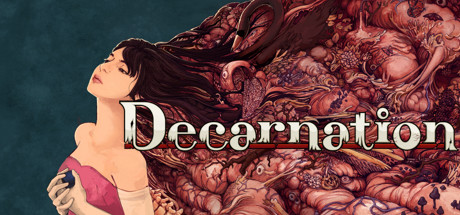
Stunning pixel art and visuals: The game's art direction, particularly its pixel art style, is consistently lauded as beautiful, detailed, and highly expressive. Reviewers noted how the visuals enhance the atmosphere, convey complex emotions, and effectively handle mature themes.
Effective psychological horror: The game is praised for its effective and unique approach to psychological horror, focusing on internal struggles, trauma, and mental healing rather than relying on cheap scares or explicit gore. It offers a deep dive into the protagonist's psyche and themes of self-acceptance.
Outstanding and atmospheric soundtrack: The soundtrack, featuring contributions from Akira Yamaoka and Fleur et Bleue, received immense praise for its quality, atmospheric impact, and ability to enhance emotional scenes. Its blend of French pop and tense compositions was particularly noted.
Captivating and well-developed story: The narrative is a major highlight, described as captivating, well-developed, and full of symbolism. Players were consistently hooked by the story's intrigue, its dark yet sensitive themes, and the compelling character dynamics.
Common complaints
Limited & Unengaging Gameplay: Players consistently found the gameplay to be minimal, unengaging, and repetitive, often feeling more like a 'walking simulator' or interactive story than a traditional game. The mini-games and puzzles were frequently criticized for being too simple, tedious, or poorly integrated, leading to boredom and frustration.
Misleading Marketing: Many players felt the game's advertising was misleading, particularly regarding its genre (puzzle/horror) and the extent of its gameplay. This led to significant disappointment as the actual experience did not align with expectations set by trailers or tags.
Weak & Pacing Issues: The narrative was frequently criticized for its slow pacing, predictability, and lack of depth, especially after a strong start. Players found the story often dragged, became repetitive, or failed to deliver on its emotional or thematic promises, leading to a sense of boredom and an unsatisfying conclusion.
Insufficient Horror Elements: Despite being marketed with horror elements, many players found the game lacked genuine scares, psychological depth, or a consistent horror atmosphere. The horror aspects were often described as superficial, predictable, or quickly abandoned after the initial chapters, leading to disappointment for those expecting a true horror experience.
Restrictive Save System: The game's save system, relying solely on auto-saves, was a point of frustration. Players desired more control over saving, especially during puzzles or before quitting, to avoid replaying long sections.
Gameplay and performance
Narrative-driven interactive story: The game is primarily a narrative-driven experience, often described as an interactive story or visual novel. Gameplay largely involves reading dialogue, exploring environments, and interacting with objects to advance the plot, with traditional 'gameplay' elements taking a backseat.
Includes diverse mini-games: The game incorporates various mini-games, most notably rhythm-based sections reflecting the protagonist's dancing background. Other mini-games include quick-time events (QTEs), memory exercises, and simple puzzles. These are generally not difficult and can often be skipped without hindering progression.
Simple, narrative-serving puzzles: Puzzles are present throughout the game, ranging from simple find-and-use object tasks to environmental and memory-based challenges. They are generally not difficult, often intuitive, and serve to advance the narrative rather than provide a significant gameplay challenge.
Psychological horror experience: The game is a psychological horror experience, delving into the protagonist Gloria's mind and her struggle with captivity and trauma. It features surreal, dream-like sequences, body horror, and 'monsters' that are symbolic representations of her psychological state, rather than traditional combat enemies.
Short, linear gameplay: The game is relatively short, with most players completing it in a single sitting or over a couple of evenings. It features a continuous auto-save system, indicating a linear and concise experience.
Broad PC and Steam Deck compatibility: Players appreciate the game's broad compatibility, especially with Steam Deck, indicating good accessibility. This suggests a positive initial experience for a wide range of hardware setups.
Performance stutters and frame drops: Players reported experiencing stutters and frame drops, particularly during specific scenes and when achievements were supposed to trigger. This indicates performance issues that disrupt gameplay flow and achievement tracking.
Character movement gets stuck: There are reports of character movement getting stuck, which is a significant bug impacting player navigation and immersion. This issue needs to be addressed for smoother gameplay.
Input lag with cloud gaming: Using cloud gaming services like Shadow PC with Bluetooth controllers introduces noticeable input lag. This affects the responsiveness of controls for players using such setups.
Recommendations
Mixed Recommendation & Value: Player sentiment regarding the game's overall value and recommendation is highly mixed, ranging from strong recommendations for its unique experience and narrative to warnings about its niche appeal and lack of traditional gameplay. Many recommend it on sale, highlighting its short length but impactful journey.
Niche Audience & Genre: The game is primarily recommended for fans of psychological horror, surrealism, and narrative-driven experiences, often compared to works by David Lynch or Satoshi Kon. Players should expect minimal traditional gameplay, as the focus is heavily on story and atmosphere.
Content Warnings Advised: The game contains dark, heavy themes and potentially disturbing content, including psychological and body horror. Players are strongly advised to check trigger warnings before playing, especially those sensitive to abuse or intense character dramas.
Rhythm Game Mechanics: The game includes rhythm mini-games, and players, especially novices, should be aware of their difficulty and quantity. Proficiency in rhythm games can significantly enhance the overall experience.
Demo Play Recommended: Players who are unsure about purchasing the game are encouraged to try the demo. The demo serves as a good indicator of whether the game's unique style and minimal gameplay will appeal to them.
Other review notes
Deep Psychological Narrative: The game features a deep, psychological narrative centered on Gloria's trauma, inner struggles, and descent into despair. It explores mature themes like sexism, abuse, and self-worth, often using surreal dream sequences and visual metaphors to convey her emotional state. The story is designed to be thought-provoking and emotionally impactful.
Appropriate Game Length: The game's length is generally considered appropriate for its narrative focus, typically ranging from 5 to 9 hours. While some found the plot to develop slowly or lack replayability, many appreciated its concise duration as ideal for a story-driven experience.
Strong Cinematic Influences: The game is heavily influenced by psychological horror and surreal cinema, drawing clear inspiration from works by Satoshi Kon, David Lynch, Junji Ito, and the Silent Hill series. It aims for a cinematic, art-house feel rather than traditional horror.
Disturbing Artistic Atmosphere: The game creates a disturbing and unsettling atmosphere through its visuals and themes, often employing pixel art to depict horrific imagery, body horror elements, and nightmarish environments. It handles sensitive topics with grace, avoiding gratuitous gore.
Parisian Cabaret Setting: The game is set in Paris in the early 1990s and follows Gloria, a cabaret dancer whose life spirals out of control after a significant event, leading her into a psychological nightmare.