- Delivers effective psychological horror experience.
- Innovative and engaging core gameplay mechanics.
- Evident passionate development; quick bug fixes.
- Features deep, immersive, and emotional story.
- Gameplay driven by diverse and engaging puzzles.
- Later sections suffer declining quality and genre shift.
Emotions
What players like:
Common complaints:
Gameplay feedback:
Performance notes:
Recommendations:
Other player notes:
Similar games
Blend with other games




Review evidence
Why players say this
Review evidence
Why players say this
What players like
Effective Psychological Horror: The game masterfully creates an unnerving and suspenseful psychological horror atmosphere, providing moments that evoke uneasy feelings and contribute to a genuinely frightening experience. This horror is often blended beautifully with other game elements, making it impactful.
Innovative & Engaging Core Gameplay: Players highly praise the game's unique and innovative gameplay mechanics, particularly the "fusing games" concept, which leads to creative and often challenging puzzles. The experience is consistently described as fun, engaging, and a "full plate" for puzzle enthusiasts, delivering significant value.
Evident Passionate Development: Reviewers consistently noted the significant passion, heart, and effort that went into the game's creation. This dedication shines through, resulting in a highly polished and impactful experience that emotionally resonates with players.
Deep, Immersive, Emotional Story: The game's narrative is a major highlight, consistently praised for its depth, immersive atmosphere, and ability to evoke strong emotions, even bringing some players to tears. Its captivating plot, philosophical undertones, and well-told twists keep players invested from beginning to end.
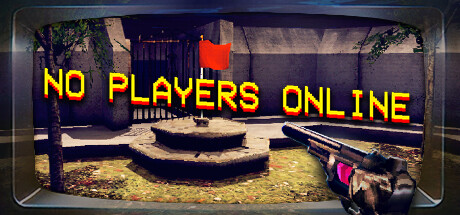
Distinct Retro Aesthetic & Atmosphere: The game stands out with its authentic retro visuals, sound design, and interface, effectively immersing players in a nostalgic 90s/2000s PC gaming era. This unique and often unsettling artistic direction significantly enhances both the atmosphere and overall appeal.
Common complaints
Declining quality, genre shift: Many players felt the game's quality declined significantly after the demo/first half. It shifted from atmospheric horror to a less engaging drama, suffering from a short length, basic gameplay, and a clichéd or unsatisfying narrative. This abrupt change and perceived lack of depth led to widespread disappointment.
Frustrating mini-games: The 'Minesweeper + Dungeon' mini-game was frequently cited as overly difficult and frustrating, leading to significant wasted time and negative player experience. Other mini-games also contributed to this sentiment, impacting overall enjoyment.
Critical localization bugs: Players reported game-breaking bugs tied to specific language settings (Japanese, Chinese, Korean), preventing progress by making parts unplayable or crucial items unobtainable (e.g., flashlight). These issues force players to switch languages or block progression entirely.
Progression-blocking bugs: Bugs in various parts of the game, including jumping puzzles and the final act, caused players to get stuck, lose progress, or be forced to replay significant sections. These critical issues severely disrupt the gameplay flow and player experience.
Confusing progression, unclear goals: Several players reported getting stuck and confused about how to progress, particularly in later sections of the game. This indicates a lack of clear guidance or intuitive design regarding objectives and pathways.
Gameplay and performance
Diverse Puzzle-Driven Gameplay: Players engage in a mix of point-and-click puzzles, mini-games (including a unique "soul transfer" mechanic), and navigation within a retro operating system. While some elements of platforming and shooting exist, the core experience is centered around riddle-solving and game combining.
Fragmented Narrative via OS: The core of the game's story is uncovered by navigating a retro operating system, sifting through files, and engaging with a mysterious CTF game. Players piece together a fragmented, meta-surreal narrative concerning a developer named John Mullard and his connection to a character named Sarah, exploring themes of loss and grief.
Expanded ARG Origin: This game evolved from a short itch.io horror title and an extensive ARG, integrating and expanding upon its original concepts and content. While maintaining the core narrative, the full release extends gameplay, revises the story, and fully integrates previous ARG elements.
Limited Horror Elements: Despite being labeled as horror, the game's actual fright factor is low, featuring only a few spooks and mild jump scares. Most of the creepy atmosphere is felt in the initial gameplay, quickly giving way to other genres.
Optional Content & Cryptic Design: The game features various optional mini-games, such as "fishing with a knife" and a Minesweeper dungeon, which are not always critical for main plot progression. Its design uses new gameplay elements as narrative tools, often leading to a cryptic experience where players might feel lost or uncertain about the game's direction.
Good performance on various hardware: Players appreciate that the game has low system configuration requirements and runs smoothly on devices like the Steam Deck. This suggests excellent optimization, ensuring accessibility and a pleasant experience for users across different hardware specifications.
Recommendations
Highly recommended, excellent game: Players overwhelmingly recommend this game, calling it "special," "worth it," and a "Game of the Year contender" with high scores (9/10, 10/10, 8/10). Many urge others to play it without hesitation, some suggesting a blind playthrough for the full experience.
Great for retro horror aesthetic: The game is specifically recommended for fans of the "haunted PS1 aesthetic" and those who appreciate an "old atmosphere." It captures a niche visual and thematic style.
Modest horror and story depth: Players are advised not to expect a deep, complex story or an intense, full-on horror experience. This helps set appropriate expectations for new players.
Play before classic version: It is recommended not to play the classic version of the game before this one, as doing so might make this version feel "a bit too derivative" to players.
Good for puzzle-platforming fans: The game is recommended for players who enjoy "riddling themselves through" challenges and don't mind "simple platforming," indicating its core gameplay loop.
Other review notes
Quick bug fixes, developer response: Players appreciate the developers' swift action in identifying and resolving bugs, indicating good support and active maintenance. This quick responsiveness builds trust and improves the overall player experience.
Explores deep, digital themes: The game delves into complex themes such as grief, coping, and the interaction with art. It also covers topics like abandoned game servers, cursed software, and mysterious early internet remnants, offering a rich narrative experience focused on interpersonal relationships.
Generally positive player reception: Players expressed high satisfaction, having an 'incredible time' and no purchase regret. The game has also achieved widespread recognition with hundreds of millions of downloads and generally positive reviews, reflecting broad appeal.
Appropriate short game length: The game's campaign can be completed in approximately two to four hours. Players generally felt this duration was appropriate for the experience provided, indicating that it did not overstay its welcome.
Game development background context: The game originated as a 4-day demo for the Haunted PS1 Jam contest, which required a retro art style. It began as a proof of concept developed by Adam Pype and Ward D'Heer, eventually leading to an official release years later.