- Striking and cohesive art style enhances immersion
- Compelling storytelling with layered depth
- Memorable characters drive emotional engagement
- Frustrating save system disrupts gameplay flow
- Repetitive gameplay with tedious backtracking
- Poor guidance hides key content
Emotions
What players like:
Common complaints:
Gameplay feedback:
Performance notes:
Recommendations:
Other player notes:
Similar games
Blend with other games




Review evidence
Why players say this
Review evidence
Why players say this
What players like
Striking and cohesive art style: The game’s pixel art, character designs, and animations are widely praised for their aesthetic appeal and consistency. The art style enhances immersion, with well-executed cutscenes and vibrant visuals that complement the narrative.
Compelling and layered storytelling: The narrative is praised for its originality, depth, and emotional impact. It keeps players engaged through mystery, lore, and optional storytelling elements, with a strong sense of progression and discovery.
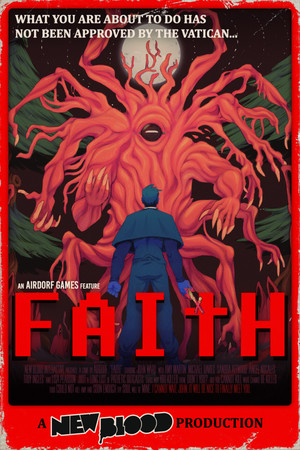
Atmospheric and immersive horror: The game’s horror is more atmospheric than jump-scare reliant, with a strong emphasis on sound design, eerie environments, and Lovecraftian themes. The pixel art style enhances the unsettling yet engaging experience.
Engaging and immersive gameplay: Players describe the gameplay as fun, balanced, and engaging, with mechanics that encourage exploration and replayability. The game’s structure and pacing are well-received, making it enjoyable even for those who typically overlook minor flaws.
Memorable and well-developed characters: The characters are frequently highlighted for their unique personalities, strong writing, and emotional depth. Players form strong connections with them, citing their likability, distinctiveness, and well-crafted relationships as key strengths.
Common complaints
Frustrating save system design: Players consistently criticize the save system for being restrictive, requiring consumable items, and lacking flexibility (e.g., no quick-save or auto-save). This leads to stress, replaying long sections, and frustration, especially for less skilled players.
Repetitive and tedious gameplay: The game is described as repetitive, with long playthroughs, obscure puzzles, and forced replaying of sections due to save limitations or missed achievements. This reduces satisfaction and increases tedium, particularly in later playthroughs.
Poor guidance and hidden content: Lack of in-game guidance, unclear puzzles, and hidden story elements/achievements force players to use external guides. This disrupts immersion and makes progression feel unintuitive or unfair.
High difficulty and spikes: Players report frequent difficulty spikes, unclear progression, and unfair challenges (e.g., boss fights, puzzles, or enemy mechanics). This causes frustration, reliance on guides, and potential quitting, especially for casual players.
Tedious backtracking and achievements: Achievements and collectibles require excessive backtracking, often in dark or maze-like environments. Some achievements are bugged or feel unreasonable, adding to frustration.
Gameplay and performance
Multiple branching endings: The game features a highly choice-driven narrative with multiple endings, including hidden and parallel paths based on player decisions, actions, and collected items. Replayability is emphasized to explore all possible outcomes.
Puzzle-solving mechanics: Puzzles are a core gameplay element, ranging from simple to complex, and often integrated with exploration and narrative progression. Some puzzles require critical thinking or abstract approaches.
Resource management tension: Players must manage limited resources such as food, save materials, and light sources (e.g., batteries), which are critical for survival and progression in the game’s horror elements.
Pixel-art horror aesthetic: The game adopts a distinct pixel-art style, often 16-bit or 8-bit, to create a retro horror atmosphere with detailed animations and cutscenes, enhancing its indie horror appeal.
Boss fights with unique gimmicks: Boss battles are puzzle-based or require specific mechanics, often avoiding traditional combat. Some bosses cannot be defeated directly, adding to the challenge and creativity of encounters.
Achievements broken by bugs: Players report that certain in-game bugs prevent them from unlocking achievements, disrupting progression and rewards. This affects the overall completionist experience.
Xbox controller input lag: Users experience noticeable input delay when using Xbox controllers, impacting gameplay responsiveness and precision, particularly in fast-paced scenarios.
Screen capture delays worsen: Over time, the game's screen capture functionality becomes increasingly unresponsive, making it difficult for players to record or share gameplay moments.
Recommendations
Universal strong recommendation: The game is highly recommended across multiple clusters for its narrative depth, replayability, and unique atmosphere. Players frequently cite it as a must-play, especially for fans of horror, psychological themes, and story-driven experiences.
Anticipation for future projects: Players express excitement for the studio's upcoming games, particularly *Catechesis*, indicating strong brand loyalty and satisfaction with the current title.
Purchase advice: Players frequently suggest buying the game during sales or as part of a bundle, emphasizing its value. Some also stress purchasing legitimate copies to support the developers.
Targeted at niche audiences: While broadly recommended, the game is particularly praised by fans of pixel-art horror, psychological narratives, and retro-style adventures. Some clusters specify it’s best suited for these groups.
Blind playthrough encouraged: Many reviewers recommend experiencing the game without prior knowledge or guides initially, though some suggest using guides for subsequent playthroughs to uncover missed content.
Other review notes
Moderate playtime and difficulty: Players report an 8.5-hour story mode and 18.5-hour completion time, with a balanced difficulty rating (3/5 stars). The game retains long-term engagement, as noted by players returning years later.
Strong developer anticipation: Players discovered Baroque Decay through this game and are eagerly awaiting their next release, highlighting the developer's growing reputation.
Niche masterpiece acclaim: The game is celebrated as a niche masterpiece, suggesting it excels in a specific genre or audience despite limited mainstream reach.
Inspired by pop culture icons: The game draws inspiration from *Futurama*, *Clue*, and David Lynch, appealing to fans of surreal or mystery-driven storytelling.
Inspired fan content creation: The game has sparked fan content across platforms, demonstrating its impact on the community and cultural footprint.