- High combat freedom and tactical depth
- Polished and high-quality production value
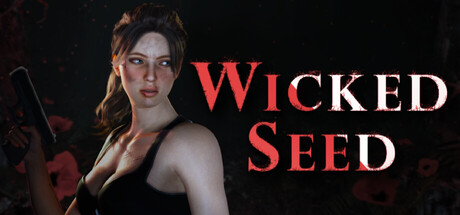
- Strong protagonist and engaging narrative
- Deep crafting and progression systems
- Unpolished animations and frequent bugs
- Poor enemy balance and combat flaws
Emotions
What players like:
Common complaints:
Gameplay feedback:
Performance notes:
Recommendations:
Other player notes:
Similar games
Blend with other games


Review evidence
Why players say this
Review evidence
Why players say this
What players like
High combat freedom and tactical depth: Combat offers significant freedom, including flanking, backstab attacks, and enemy-specific countermeasures. The ATB (Active Time Battle) system and weapon/ability customization (e.g., parries, flashbangs) add layers of strategy.
Polished and high-quality production: Despite being an indie title, the game demonstrates exceptional polish, with top-tier voice acting, smooth performance, and meticulous attention to detail in level design, enemy variety, and atmosphere.
Strong protagonist and narrative: The protagonist is well-voiced, witty, and detailed, serving as a highlight. The story, while simple, is engaging, with cliffhangers and a focus on core gameplay elements over exposition.
Crafting and progression systems: Light crafting, weapon upgrades, and gear customization keep gameplay fresh. Permanent stat boosts and resource management (e.g., scraps, energy) add depth without overwhelming complexity.
Engaging survival horror atmosphere: The game excels in creating a tense, PS1-style horror atmosphere through sound design, lighting, and environmental storytelling. It avoids cheap jumpscares, focusing instead on immersion and ambiance.
Common complaints
Unpolished animations and bugs: Players frequently report unnatural animations (e.g., T-poses, stair transitions) and minor bugs like misaligned props or UI elements. These issues detract from immersion and suggest incomplete polish.
Lack of environmental depth: Worlds feel static and empty post-combat, with repetitive textures and amateurish assets (e.g., MS Paint signs). Players criticize the lack of liveliness and effort in design.
Poor enemy and combat balance: Enemies are either too easy (requiring 300+ hits) or unfairly lethal (one-shotting players). Janky AI and unbalanced encounters frustrate players, especially when normal fights outshine bosses.
Confusing UI and menus: Menus are poorly organized, hiding key mechanics during combat. Inventory interactions are cumbersome, and UI elements (e.g., flashlight placement) feel unintuitive.
Misleading RPG elements: The game advertises RPG mechanics but leans heavily into puzzles, with impractical weapon upgrades and talent trees. Customization options (e.g., accessories) are notably absent.
Gameplay and performance
Deep Customization Systems: The game features extensive customization for weapons, armor, and outfits, including unlockable costumes, weapon upgrades, and modifications. Players can tailor their gear for stamina, power, and attack speed, enhancing tactical flexibility.
Resource Management and Crafting: Players manage finite ammo, grenades, and potions, replaceable via skills or crafting. Upgrades and modifications require energy, scraps, or in-world resources, adding depth to progression.
Hybrid Turn-Based Combat: Combat blends real-time and turn-based mechanics, resembling *Parasite Eve* with stamina-based actions, timed attacks, and strategic depth. Players must manage energy, positioning, and enemy weaknesses for optimal performance.
Puzzle-Integrated Combat: Combat and puzzles are intertwined, requiring gear swaps and tactical adjustments. Puzzles often gate progression, blending environmental challenges with strategic combat.
Challenges and Replayability: Optional challenges, New Game+ modes, and a randomizer (*Despair Mode*) extend replayability. Players earn rewards for completing challenges, with no microtransactions or in-game shops.
Performance issues on PC: Players report frequent crashes, stutters, and high CPU/GPU usage causing fan noise, despite some smooth performance on older machines. These issues suggest optimization problems or hardware demands.
Steam Deck compatibility: The game runs at 60 FPS on Steam Deck with LSFG stable and 30-45 FPS on OLED models with default settings, indicating decent handheld optimization but room for improvement.
Segmented world design: Players note the game uses loading screens between areas instead of an open-world layout, which may impact immersion or exploration flow.
Out-of-box functionality: Some users confirm the game works as intended immediately after installation, with no additional setup required for basic playability.
Recommendations
Appeals to survival horror fans: The game is repeatedly recommended for fans of survival horror, retro 90s aesthetics, and methodical combat. Specific comparisons to *Parasite Eve* and *The Killing Antidote* underscore its niche appeal.
Highly recommended for value: Players consistently highlight the game's strong value for its price, emphasizing replayability, engagement, and unique design. Many explicitly state it is worth the purchase despite minor flaws.
Deserves more recognition: Several reviews call for broader awareness and updates, praising the game’s unique design and foundation but lamenting its underappreciated status.
Ideal for achievement hunters: Players note the game’s strong appeal for achievement and collectible hunters, suggesting robust content for completionists.
Other review notes
Comparisons to Parasite Eve: The game is often compared to Parasite Eve, particularly the first installment, with players noting strong thematic and mechanical parallels. This comparison appears consistently across feedback.
PS1-era survival horror nostalgia: Players frequently highlight the game's atmospheric and stylistic similarities to classic survival horror titles like Resident Evil and Silent Hill, evoking nostalgia for PS1-era games. The tone and design choices are noted as reminiscent of this era.
Influences from Alone in the Dark: Some players draw comparisons to Alone in the Dark, suggesting the game borrows elements from this classic survival horror series. This feedback is less frequent but still notable.