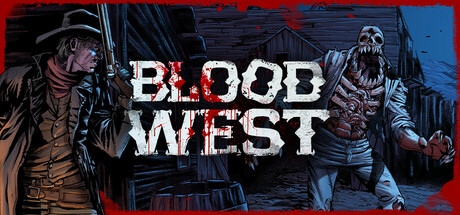
- Unique "Weird West" aesthetic.
- Engaging stealth-focused, deliberate combat.
- Deep build variety and progression.
- Repetitive gameplay loop becomes tedious.
- Unfairly punishing difficulty.
- Unengaging story and characters.
Emotions
What players like:
Common complaints:
Gameplay feedback:
Performance notes:
Recommendations:
Other player notes:
Similar games
Blend with other games






Review evidence
Why players say this
Review evidence
Why players say this
What players like
Engaging & Rewarding Gameplay: Players consistently report high levels of enjoyment, finding the gameplay addictive and challenging yet fair. The game is often described as a surprising gem that provides significant value for its price and offers a satisfying experience from start to finish.
Unique "Weird West" Aesthetic: The game is highly praised for its distinctive retro-pixel art style, exceptional sound design, and immersive atmosphere that perfectly blends Wild West themes with gothic horror and Lovecraftian elements. This unique presentation creates a memorable and captivating world, often drawing comparisons to classic titles while standing out as an indie masterpiece.
Rewarding Exploration & Level Design: The game features thoughtfully designed, dense, and non-linear open-world maps across multiple chapters. Exploration is consistently rewarded with useful loot, secrets, and environmental storytelling, encouraging players to thoroughly investigate every corner.
Deep Build Variety & Progression: Players appreciate the extensive array of weapons, artifacts, and perk-based skill trees, which allow for diverse character builds and playstyles. This system fosters experimentation and significantly enhances replayability, letting players tailor their approach to combat.
Dynamic Chapter Progression & DLC Value: The game maintains freshness across its multiple chapters, each introducing new settings, enemies, and challenges. The DLC is also highly regarded for further expanding content with new mechanics, weapons, and more aggressive enemy types, adding significant value.
Common complaints
Tedious, repetitive core gameplay.: Players consistently report that the game's core loop, characterized by respawning enemies, endless fetch quests, and uninspired level design, quickly becomes monotonous. This leads to frequent backtracking and a feeling that progress is a chore rather than enjoyable exploration.
Unfairly punishing difficulty.: The game is frequently described as unforgiving, especially in the early stages, with high enemy damage and scarce resources. A significant pain point is the death mechanic, which applies stacking debuffs and incurs costly removals, heavily penalizing experimentation and leading to frustrating death spirals.
Unengaging story and characters.: The game's plot is frequently described as minimal, uninventive, and lacking depth, often feeling like a mere vehicle for traversing levels. Characters are underdeveloped, and repetitive 'fetch quests' constitute much of the side content, contributing to an overall unrewarding progression system.
Inconsistent boss encounters.: Player feedback on boss fights is polarized; some found them too easy, boring, and forgettable, often defeating them on the first try, while others described specific bosses (e.g., Chapter 2) as frustratingly difficult or poorly designed. This indicates a lack of consistent challenge and quality in boss encounter design.
Quality drops in later chapters.: The game's chapter-based progression system forces players to advance after boss fights, often preventing the completion of previous content and leaving side quests unfinished. This structural flaw contributes to a noticeable drop in content quality, polish, and narrative engagement in later chapters, particularly Acts 2 and 3.
Gameplay and performance
Stealth-focused, deliberate combat: The game strongly emphasizes a stealth-first approach, especially in early chapters, utilizing line-of-sight mechanics and one-shot melee takedowns. While direct combat is possible, it is slower and more tactical than traditional FPS games, often requiring precise headshots due to limited resources and high enemy lethality. However, late-game progression can make aggressive gunplay more viable.
Deep RPG and resource management: The game features robust RPG elements, including XP-based leveling, a perk system for playstyle customization, and equipable artifacts that provide unique bonuses and penalties. A critical aspect of survival is the grid-based inventory system, reminiscent of Resident Evil 4 or STALKER, which necessitates constant scavenging and careful management of scarce ammo, health, and other vital resources.
Segmented open-world exploration: The game is structured into three distinct chapters, each featuring its own large, semi-open map or biome that encourages extensive exploration for quests, secrets, and resources. While the main story can be completed relatively quickly by focusing solely on objectives, full exploration of each map significantly extends playtime. Enemies partially respawn upon player death or resting, offering opportunities for farming.
Punishing death and curse system: The game incorporates a 'Souls-like' death mechanic where each death incurs stacking debuffs, or 'curses,' impacting player stats like stamina or HP. These curses can only be removed through specific items or quests. While players retain all loot upon revival at a safe zone, a portion of previously defeated enemies respawn, adding a persistent challenge.
Diverse Gameplay and System Bugs: Players have encountered multiple bugs, including unresponsive stashes with many items, audio settings not saving, and enemies being silent until visible. More critical issues include a bug preventing merchants from selling ammo, enemies losing the ability to leave spawn points, and a specific 'Perforated heart' artifact causing unremovable bleeding. The choppy rendering issue was reportedly fixed, indicating a past significant bug.
Limited Graphics and Display Options: Players note the game's graphics appear dated, resembling those from the mid-2000s. There's a desire for more granular graphics options to disable, and issues exist with mouse focus on multi-monitor setups. Enabling V-sync is also recommended by a player to prevent stuttering.
Gamepad Controls Not Ideal: While the game supports gamepads, players found them less suitable for the game's difficulty. This suggests that a keyboard and mouse is the preferred and more effective input method for many, impacting controller-only players.
Recommendations
Highly Recommended Experience: Players overwhelmingly recommend the game, praising its value, encouraging purchase at full or sale price, and expressing strong eagerness for sequels or DLC. Many give it high ratings (e.g., 9/10, 10/10) and consider it an underrated indie gem worth playing multiple times.
Appeals to Niche Genres: The game is strongly recommended for fans of specific genres and gameplay styles, including stealth FPS, immersive sims, survival horror, exploration, resource management, and the 'Weird West' setting. Comparisons to STALKER, Hunt: Showdown, Thief, and Deus Ex are common indicators of its target audience.
Mixed Reception and Nuance: Some players advise against the game, citing issues with difficulty or poor design, or even suggesting alternative games. Others offer conflicted recommendations, advising low expectations, or only recommending it on sale, contributing to a somewhat divisive overall impression.
Persistence Rewards Patience: Reviewers suggest that the game improves significantly after the initial hours or first map. They advise players to persist through the beginning stages to fully appreciate the adventure and its unfolding story.
Expect Significant Challenge: Players note the game's high and escalating difficulty, particularly in later chapters, with some comparing its intensity to 'Elden Ring.' It is recommended for those who enjoy punishing and challenging experiences, often suggesting starting on harder difficulties.
Other review notes
Varied Playtime & Pacing: The game offers highly variable playtime, ranging from 15-20 hours for a focused playthrough to over 30-70 hours for extensive exploration and side quests. Some players find the initial chapters, particularly Chapter 1, to be very expansive and slow-paced, which can be challenging for those expecting a quicker experience.
Demand for Future Content & Features: There is a strong desire for more content, including additional DLCs, New Game Plus, and new difficulty options like hardcore or survival modes. Players are eager for more maps and appreciate the developers' ongoing support and planned updates, indicating high engagement and a desire to extend the gameplay experience.
Strong Developer/Publisher Reputation: The game benefits from the positive reputation of its publisher, New Blood Interactive, who is known for consistently releasing quality indie titles. This esteem often influences purchase decisions and fosters trust among players for continued support and future projects.
Varied Initial Player Experiences: Players often bought the game on discount or in bundles, sometimes refunding it initially due to unmet expectations or early game pacing challenges. A small, less constructive point regarding character design and developer understanding of games was also noted, but with very low significance.
Distinct Retro Visual Style: The game features a unique, stylized retro visual aesthetic, often described as low-res or low-poly. This distinct art style, combined with its 'weird west' and stealth horror atmosphere, is charming to many players and is seen as a key part of the game's identity.