- Stunning visuals and immersive atmosphere
- Strong narrative with excellent voice acting
- Satisfying and varied gunplay mechanics
- Repetitive and shallow core gameplay loop
- Severe technical instability and bugs
- Frustrating difficulty spikes and balance issues
Emotions
What players like:
Common complaints:
Gameplay feedback:
Performance notes:
Recommendations:
Other player notes:
Similar games
Blend with other games




Review evidence
Why players say this
Review evidence
Why players say this
What players like
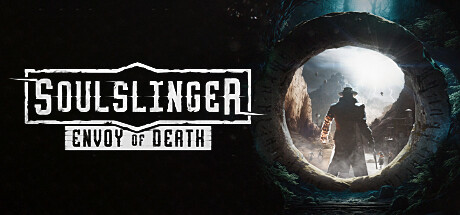
Exceptional visuals and presentation: Players consistently praise the game's visuals, art style, and presentation, describing them as stunning, AAA-quality, and immersive. The attention to detail in environments, character designs, and sound design enhances the overall experience, making it a standout feature.
Satisfying and varied gunplay: The game's gunplay is described as snappy, weighty, and satisfying, with a diverse arsenal of weapons that offer distinct tactical possibilities. The perfect reload mechanic and elemental combos add depth and excitement to combat.
Strong narrative and voice acting: Players highlight the game's well-written story, engaging dialogues, and high-quality voice acting. The narrative is described as immersive, emotionally resonant, and a standout feature for a roguelite, with strong character development and a unique blend of Western and supernatural themes.
Unique and immersive atmosphere: The game's setting, which blends Wild West aesthetics with supernatural and dark fantasy elements, is frequently praised for its creativity and immersive world-building. The atmosphere is described as stylish, gritty, and visually striking, enhancing the overall experience.
Responsive developer support: Players appreciate the developers' active engagement with the community, frequent updates, and responsiveness to feedback. This has led to significant improvements in performance, bug fixes, and new content, fostering a positive relationship between the developers and players.
Common complaints
Repetitive and shallow gameplay loop: Players report that the game becomes monotonous quickly due to repetitive level design, enemy encounters, and lack of meaningful progression. The roguelike elements feel tacked on, with limited build diversity and replayability. This is a critical flaw for a genre that relies on fresh experiences.
Severe technical instability: The game suffers from widespread technical issues, including frequent crashes, game-breaking bugs (e.g., falling through maps, infinite loading screens), and poor optimization. These issues disrupt gameplay and progress, making the experience frustrating and unplayable at times. The feedback highlights systemic problems across multiple hardware configurations.
Frustrating difficulty spikes and balance issues: The game suffers from inconsistent difficulty, with sudden spikes that feel unfair or punishing. Enemies deal excessive damage, healing options are scarce, and some mechanics (e.g., forced grinding) exacerbate frustration. This undermines player progression and enjoyment.
Unsatisfying weapon and upgrade systems: Weapons and upgrades lack depth, variety, and meaningful impact. Many feel similar or ineffective, with only a few viable options. Upgrades are often described as grindy, uninteresting, or poorly balanced, failing to enhance player agency or build diversity.
Poor enemy and boss design: Enemies and bosses are criticized for being generic, uninspired, and poorly balanced. Many lack unique mechanics, rely on cheap tactics (e.g., teleporting, spawning behind players), or devolve into bullet-sponging DPS races. Boss fights are either too easy or unfairly difficult, disrupting pacing.
Gameplay and performance
Fast-paced arena combat: Combat is designed around high-speed, skill-based mechanics, including strafing, dashing, parrying, and dynamic enemy encounters. The game emphasizes movement and precision, with enemies that teleport, charge, or self-destruct to create intense, short bursts of action. Some players find the combat repetitive due to limited stage layouts and enemy variety.
Core roguelite gameplay loop: The game is built around a roguelite structure featuring permadeath, randomized arenas, temporary power-ups, and permanent upgrades unlocked between runs. Players progress by defeating waves of enemies, collecting resources, and optimizing builds for subsequent attempts. This loop is central to the experience and is frequently highlighted as the game's defining feature.
Progression systems and grind: Progression is split into three systems: a workbench (weapons/upgrades), a well (situational buffs), and a totem (permanent bonuses). While these systems encourage replayability, some players criticize the grind as lengthy and resource-intensive, particularly for totem upgrades. The grind is optional but necessary for optimal builds.
Western-fantasy theme and narrative: The game adopts a dark Wild West aesthetic blended with medieval and fantasy elements, following a Soulslinger protagonist hunting corrupted souls. Storytelling is delivered through cinematics and short, fast-paced sessions, though some players feel the narrative disrupts gameplay flow due to frequent cutscenes.
Elemental upgrades and build variety: Players can customize their builds using elemental upgrades (e.g., dash mechanics, energy-based attacks) and a totem pole system for permanent enhancements. While the variety allows for creative strategies, some players note limited synergy between elements and occasional imbalance in upgrade options.
Long and disruptive loading times: Loading times are excessively long due to poor optimization, and slow screen transitions further disrupt the gameplay experience. This issue is frequently mentioned as a significant detractor from overall enjoyment.
Shader and graphics configuration issues: Shader loading at the start of the game and improperly functioning resolution/windowed mode settings create additional friction for players. Some users report better performance with DirectX 11, suggesting optimization gaps in other APIs.
UI and localization bugs: Several UI-related issues exist, including overlapping elements and malfunctioning translation systems (e.g., unreadable text, missing Chinese translations for weapon attributes). These bugs affect usability and immersion.
Performance monitoring tools highlight issues: Players using tools like MSI Afterburner and RTSS have identified specific optimization problems, such as FPS drops tied to enemy particle effects or health depletion. This feedback provides actionable insights for developers.
Recommendations
Mixed value recommendations: Players are deeply divided on whether the game is worth purchasing. Many recommend it only on sale or at a discounted price (e.g., $5–$7), citing engaging story, replayability, and fun combat as positives. Others advise against buying it in its current state due to technical issues, lack of content, or better alternatives. The feedback reflects a game with potential but significant room for improvement.
Technical and performance issues: Many players report performance problems, including poor optimization, bugs, and control issues. Some suggest waiting for patches or updates before purchasing, while others advise against buying until the game is more stable. These issues significantly impact the overall experience and are a major point of criticism.
Potential for future improvements: Despite its flaws, many players acknowledge the game's potential and express hope for future updates. They encourage the developers to continue working on the game, citing its strong foundation, unique concept, and active maintenance. Some are willing to revisit the game once it is more polished or complete.
Low price justifies purchase: Several players argue that the game's low price (e.g., $7 or less) makes it a worthwhile purchase despite its flaws. They suggest it is a good value for money, especially for casual play sessions or for those willing to overlook technical issues. However, they caution against paying full price.
Difficulty and accessibility concerns: Some players criticize the game's difficulty scaling, noting it may be too challenging or frustrating for less experienced players. They suggest adding easier difficulty options or more health recovery chances to make the game more accessible without compromising its core appeal.
Other review notes
Early access limitations and potential: The game is in early access, with players noting incomplete storylines, limited content, and growing pains. However, there is optimism about future updates, including new weapons, abilities, and story expansions. Completion times vary widely (2–18 hours) due to the current state of development.
Comparisons to more polished alternatives: Players frequently compare the game unfavorably to other titles like *Witchfire*, *Hades*, *Deadlink*, and *Gunfire Reborn*, citing better polish, variety, and progression systems. Some suggest these alternatives as more satisfying options within the roguelite or shooter genres.
Indie game with modest expectations: Players acknowledge the game is developed by a small indie studio, which influences its design, polish, and appeal. While it offers good value for its price, it may not meet AAA expectations, and its style may not resonate with everyone. Some players also note the lack of advertising and its early access status as factors in their perception.
Requests for gameplay improvements: Players provide specific, actionable feedback for enhancing the game, such as adding more maps, random conditions, interactables, health recovery mechanics, and displaying remaining enemies. Some also suggest performance optimizations, including DirectX11 support and general optimization options.
Minor post-launch improvements: Update 1.0 addressed small issues like automatic weapon pickups and healing shrine sounds, showing responsiveness to feedback. However, players still hope for more meaningful updates, such as addressing control issues and enhancing cutscenes for better immersion.