- Stunning visuals and immersive atmosphere
- Effective psychological horror experience
- Deep and engaging story
- Slow and boring gameplay
- Frequent technical issues and bugs
- Clunky controls and animations
Emotions
What players like:
Common complaints:
Gameplay feedback:
Performance notes:
Recommendations:
Other player notes:
Similar games
Blend with other games






Review evidence
Why players say this
Review evidence
Why players say this
What players like
Stunning Visuals & Atmosphere: The game is consistently praised for its stunning visuals, detailed environments, and immersive atmosphere, which effectively convey the game's themes and enhance the player's experience. The art style, lighting, and overall design contribute significantly to its appeal.
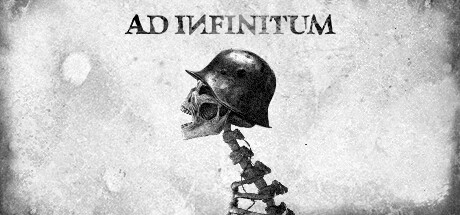
Impactful WWI & Trauma Portrayal: The game excels in its unique and impactful portrayal of World War I, focusing on the psychological and physical trauma experienced by soldiers and families. It effectively uses the setting to explore themes of PTSD, mental anguish, and the brutal realities of war without glorifying it.
Effective Psychological Horror: Reviewers consistently highlight the game's effective psychological horror, which relies on tension, atmosphere, and disturbing imagery rather than cheap jump scares. The game successfully creates a sense of unease and dread, immersing players in a truly scary experience.
Deep & Engaging Storytelling: The game's narrative is frequently lauded as its strongest asset, offering a deep, emotional, and thought-provoking story that unravels gradually. It explores complex themes like trauma, guilt, and family dynamics, keeping players engaged and reflective.
Immersive Sound & Music: The sound design and music are consistently praised for their immersive quality, significantly enhancing the game's atmosphere and tension. Reviewers note how the audio elements contribute to the overall sense of dread and draw players deeper into the experience.
Common complaints
Slow and Boring Gameplay: Many players found the game's pacing to be excessively slow, leading to boredom and a lack of engagement. This often made the gameplay feel tedious and uninteresting, with long stretches of inactivity.
Technical Issues and Bugs: The game is plagued by numerous technical issues, including poor optimization, frequent crashes, and various bugs such as collision problems, getting stuck in environments, and unresponsive controls. These issues significantly hinder the player experience.
Clunky Controls and Animations: Players frequently reported that character movement and interactions felt clunky and unresponsive. This includes issues with controls for opening doors, navigating environments, and general character animations, making gameplay frustrating.
Repetitive Enemy/Boss Encounters: Enemy encounters and boss fights were often criticized for being repetitive, uninspired, and lacking challenge. Monsters were described as unmemorable and easily bypassed, with boss mechanics being simplistic and reused.
Limited Replayability: The game has very limited replayability, partly due to the lack of a chapter selection feature, which forces players to restart the entire game to experience different endings or find missed items. This made pursuing alternative outcomes tedious.
Gameplay and performance
Short Playtime: The game is relatively short, with playthroughs typically ranging from 3 to 8 hours. The duration can vary depending on whether players focus solely on the plot or take time to explore and read all lore.
Simple, Easy Puzzles: The game primarily features simple and easy puzzles, often integrated into the environment. While some find them interesting, others consider them basic and uninspired, serving more as roadblocks than challenging gameplay elements.
Multiple Endings & Choices: The game offers significant replayability through its multiple endings, which are determined by player choices made during boss encounters. There are typically three endings (good, neutral, bad) influenced by decisions to spare or eliminate bosses.
Puzzle-Based Bosses & Evasion: Boss fights are present but are not combat-focused; instead, they are essentially puzzles requiring players to activate mechanisms or evade enemies. Enemies are generally easy to avoid or outmaneuver, and direct confrontation is rare or discouraged.
Story Through Collectibles: The story is primarily conveyed through found documents, notes, letters, and audio logs. Fully understanding the complex narrative and character backstories requires players to actively collect and read these scattered lore pieces.
Inconsistent Optimization & FPS: Many players reported inconsistent optimization, leading to significant FPS drops and unstable framerates, especially in specific areas like the hospital section. While some found the graphics good, the technical performance often hindered the experience.
Inconsistent Animation Quality: Some players noted issues with specific animations, such as aiming or spotlight movements, appearing at very low frame rates (e.g., 13-30 FPS), which detracted from the visual fluidity. There were mixed opinions on overall animation quality.
Unrealistic Lighting/Shadows: The lighting and shadow systems occasionally created unrealistic visuals or made it difficult for players to navigate, impacting visibility in certain areas.
Enemy AI Malfunctions: One specific mention indicated that enemy AI sometimes malfunctioned, which could impact gameplay experience.
In-Game Object Issues: There were reports of problems with in-game objects, though specific details were not provided.
Recommendations
Recommended, especially on sale: The game is generally recommended, especially when purchased on sale. Many reviewers suggest waiting for a significant discount, indicating that the full price might not align with the perceived value for some players.
Strong for psychological horror fans: The game is highly recommended for fans of psychological horror, particularly those interested in narrative-driven experiences and themes related to World War I. It's noted for its atmospheric horror rather than jump scares or action.
Play with German audio: Several reviewers suggest playing the game with German voice acting and subtitles for a more immersive and authentic experience, indicating that the original language enhances the atmosphere.
Alternatives like Amnesia: The Bunker: Some reviewers suggest that other games, like Amnesia: The Bunker or Layers of Fear, offer a more compelling or similar horror experience, implying that this game might not fully satisfy those looking for specific horror subgenres.
Other review notes
Solid Mid-Tier Experience: The game is considered a solid, albeit not groundbreaking, experience, often seen as good value for its price. Its length is around 8-12 hours, with limited replayability for casual players but more for achievement hunters.
Genre Ambiguity & Niche Appeal: There is some debate on whether the game truly fits the horror genre, with some reviewers stating it's not a horror game. Its specific thematic focus and style might not appeal to all players.
Protagonist's Sensory Deprivation: The protagonist's experience is characterized by constant physical discomforts like hunger and thirst, alongside a pervasive sense of being watched and a strong, unsettling inner voice that contributes to the psychological tension.
Family-Centric Narrative: A significant aspect of the game's narrative involves the protagonist's family, with the family mansion serving as a central setting and key characters close to the protagonist appearing as bosses.
Indie Developer Debut: The game is noted as being developed by an indie studio, often described as talented but young, suggesting it's their first significant work.