- Emotional storytelling through stunning visuals
- Beautiful hand-drawn art style captivates
- Captivating soundtrack enhances emotional depth
- Tedious gameplay mechanics slow progress
- Short playtime reduces overall value
- Technical issues and bugs disrupt experience
Emotions
What players like:
Common complaints:
Gameplay feedback:
Performance notes:
Recommendations:
Other player notes:
Similar games
Blend with other games




Review evidence
Why players say this
Review evidence
Why players say this
What players like
Emotional storytelling through visuals: The game excels in conveying deep emotions without dialogue, using illustrations, symbols, and music to tell a resonant story about grief, love, and loss. Players consistently praised its ability to evoke strong feelings through subtle narrative techniques.
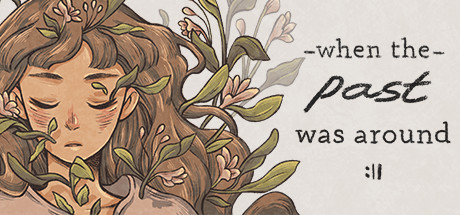
Beautiful hand-drawn art style: The game’s hand-drawn visuals were widely praised for their warmth, detail, and ability to complement the emotional tone. The art style enhances the storytelling and creates a cozy, immersive atmosphere.
Captivating and emotional soundtrack: The soundtrack, particularly its violin themes, was highlighted as a key element in enhancing the game’s emotional depth. Players noted how the music perfectly complemented the narrative and evoked strong feelings.
Themes of grief and healing: The game effectively explores themes of grief, loss, and moving forward, resonating deeply with players. Its portrayal of these emotions was described as comforting, hopeful, and beautifully executed.
Common complaints
Tedious or slow gameplay mechanics: Certain mechanics, like clicking musical notes or backtracking for puzzles, are described as slow, tedious, or poorly paced. Some interactions lack polish or feel forced.
Short playtime undermines value: The game’s length (~1.5 hours) is frequently cited as too short for its price, leaving players feeling underwhelmed. Many refunded the game or questioned its replayability due to the brief experience.
Technical issues and bugs: Players encountered progression-blocking bugs, softlocks, and crashes, particularly with puzzles or fast interactions. Some issues were fixed in updates, but others persist, like resolution problems on ultrawide monitors.
Underdeveloped characters and symbolism: Characters lack backstory, depth, or meaningful development, making it hard for players to connect with them. Symbolism (e.g., feathers, music notes) is criticized as shallow or underutilized.
Poor save system and progression design: The game lacks reliable autosaves, forcing players to restart chapters or scenes if they quit. Fixed save points and irregular autosaves lead to unnecessary repetition.
Gameplay and performance
Core point-and-click puzzles: The game is primarily a point-and-click adventure with puzzle-solving mechanics integrated into its narrative. Players interact with objects, solve logical puzzles, and progress through rooms or scenes, often involving backtracking or item collection.
Puzzle variety and logic: Puzzles range from straightforward to moderately challenging, often requiring logical thinking, item interaction, or symbolic interpretation (e.g., musical notes, clocks, or safes). Some puzzles involve note-taking or creative problem-solving.
Hidden object elements: While not a traditional hidden object game, some mechanics involve finding or interacting with hidden items or details. These elements are often tied to achievements or narrative depth rather than core progression.
Narrative-driven storytelling: The game emphasizes a strong, emotional narrative told through chapters, often without dialogue. The story focuses on themes like grief, memory, and acceptance, using visuals, music, and puzzles to convey its message.
Short playtime with replayability: The game is relatively short, typically completed in 2-3.5 hours, but offers replayable chapters, achievements, and optional content to extend engagement. Some players may find the length appropriate for its narrative focus.
Resolution and zoom bugs: Persistent resolution/zoom issues (partially fixed in updates) and screen setting bugs affect visual clarity. Some players needed restarts to resolve these problems mid-gameplay.
Game-breaking softlocks: Softlocks during the prologue and after extended play sessions (e.g., 50 minutes) force players to restart, breaking progression. These bugs severely impact core gameplay.
Steam Deck compatibility issues: Players report unregistered playtime and unresponsive controls on Steam Deck, impacting handheld gaming experience. These issues persist despite hardware optimization efforts.
Ultrawide monitor visual glitches: Unprocessed screen edges and filter-related glitches on ultrawide monitors disrupt immersion. These issues are specific to non-standard aspect ratios and may require UI scaling fixes.
Achievement and cloud support gaps: Broken achievements and lack of Steam Cloud sync disrupt completionists and players who switch devices. These features are expected in modern PC releases.
Recommendations
Ideal for narrative-driven puzzle fans: The game is highly recommended for players who enjoy emotional, story-rich experiences with puzzles, particularly fans of point-and-click or indie games. Comparisons to titles like 'Florence' and 'Journey' highlight its appeal to those seeking deep, introspective storytelling.
Purchase recommended, especially on sale: Many reviews suggest buying the game, particularly at a discounted price, due to its high storytelling quality and emotional impact. The short duration is offset by its value as a one-time, immersive journey.
Not for everyone’s emotional state: The game’s themes of loss and grief may be triggering for some players, particularly those with similar life experiences. Reviews caution against playing if these themes could be distressing.
Appeals to broad, casual audiences: The game’s universal themes and accessible gameplay make it suitable for casual gamers, women, and those new to narrative-driven experiences. Its emotional depth and art style attract a diverse player base.
Soundtrack and artbook worth buying: The game’s soundtrack and artbook are highlighted as valuable standalone purchases, complementing its emotional and visual appeal. This adds extra value for fans of its aesthetic.
Other review notes
Indie studio with emotional storytelling: Developed by Mojiken Studio, an Indonesian indie studio known for hand-drawn art and emotionally driven narratives. Their collaboration with Toge Productions is also frequently noted.
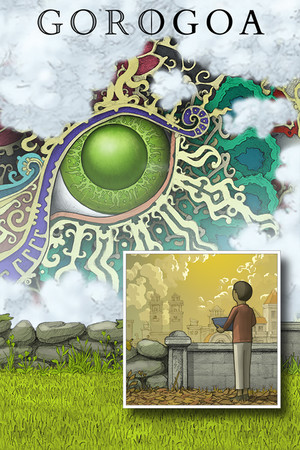
Inspired by similar narrative games: The game is often compared to titles like 'Gris' and 'Unpacking' for its emotional storytelling and artistic style. It also shares similarities with the studio's prior works, such as 'She and the Light Bearer'.
Easy achievements and small file size: Achievements are straightforward to unlock in a single playthrough, and the game's file size is noted as small, reminiscent of older or retro-style games.
Pandemic influenced uplifting tone: The COVID-19 pandemic impacted the game's development, leading the developers to shift its tone to be more uplifting and hopeful, reflecting a desire to provide comfort during challenging times.
Visually appealing owl protagonist: The main character, an owl man, is frequently described as visually appealing and memorable, contributing to the game's unique aesthetic and charm.