- Stunning hand-painted art style is a major highlight
- Relaxing and cozy experience with emotional story
- Excellent soundtrack enhances the captivating setting
- Simple, linear, narrative-driven gameplay experience
- Clunky and tedious controls are a drawback
- Short length and poor value for some players
Emotions
What players like:
Common complaints:
Gameplay feedback:
Performance notes:
Recommendations:
Other player notes:
Similar games
Blend with other games


Review evidence
Why players say this
Review evidence
Why players say this
What players like
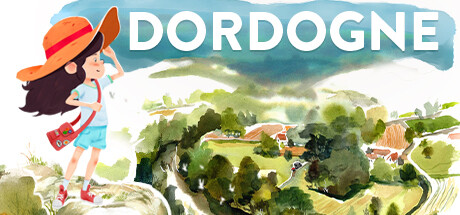
Stunning Hand-Painted Art Style: Players consistently praise the game's unique and stunning hand-painted art style, particularly its watercolor aesthetic. This visual approach is frequently cited as a major highlight, creating a beautiful, immersive, and nostalgic atmosphere that makes the game feel like a living painting.
Relaxing & Cozy Experience: The game is widely described as a relaxing, cozy, and emotionally resonant experience. Its gentle pacing, simple gameplay, and overall charming atmosphere contribute to a feeling of peace and comfort, making it an ideal choice for unwinding.
Emotional & Nostalgic Story: The narrative is deeply emotional and highly relatable, often evoking strong feelings of nostalgia and personal childhood memories, especially those related to family and grandparents. The story's ability to connect with players on a personal level is a significant strength.
Excellent Soundtrack & Sound: The game's soundtrack and sound design are consistently praised for enhancing the overall atmosphere and immersion. The music is described as beautiful, pleasant, and perfectly fitting the game's mood and visuals.
Captivating French Countryside Setting: The game effectively captures the beauty and atmosphere of the Dordogne region in France, often drawing comparisons to Studio Ghibli films. This setting, combined with the art style, creates a unique and enchanting sense of place.
Common complaints
Clunky & Tedious Controls: Players consistently report that the game's controls are clunky, unintuitive, and often frustrating, especially for precision tasks and object manipulation. This issue is exacerbated by unnecessary, repetitive mini-games and interactive sequences that feel like filler, hindering immersion and overall enjoyment. The linear and restrictive movement, combined with fixed camera angles, further contributes to a tedious gameplay experience.
Confusing & Unresolved Story: The narrative is widely criticized for being confusing, fragmented, and rushed, with an abrupt and unsatisfying ending. Key plot points, character relationships (especially between Mimi, her father, and grandmother), and mysteries are left unexplained or unresolved, leading to a lack of emotional connection and overall coherence. The storytelling method, often relying on flashbacks and collectibles, further detaches players from the core plot.
Poor Value & Short Length: Many players feel the game offers poor value for its price, citing its short duration and low replayability. The gameplay is often described as boring, simplistic, and lacking substance, leading to a general sense of disappointment and a feeling that the game is unfinished or 'half-baked.'
Frustrating Achievement System: The achievement system and collectible mechanics are a major source of frustration for completionists. The absence of a chapter select feature forces players to replay entire chapters or even the whole game to find missed items or achieve specific conditions, which is particularly annoying given the unskippable cutscenes and tedious gameplay segments. Many collectibles feel pointless and are difficult to find without a guide.
Limited Scrapbook Creativity: The scrapbook creation system, intended as a core gameplay element, is too restrictive and lacks creative freedom. Players are limited in how they can arrange elements and are often forced to restart if they want to make adjustments, making the process tedious rather than enjoyable.
Gameplay and performance
Simple, Linear, Narrative-Driven Gameplay: The game is primarily a short, linear, narrative-driven experience, often described as an interactive story or visual novel. Its gameplay is simple, focusing on exploration, basic interactions, and light puzzles, designed for a relaxing and casual experience rather than challenge.
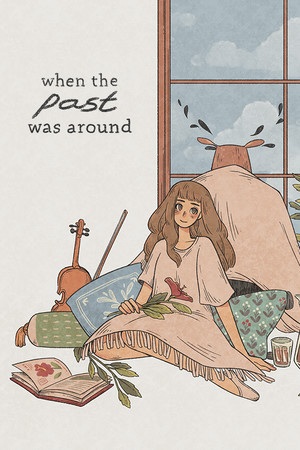
Dual-Timeline Memory Recovery Story: The core story revolves around Mimi, an adult woman, returning to her deceased grandmother's house to recover lost childhood memories. The narrative unfolds across dual timelines, alternating between adult Mimi's present-day exploration and young Mimi's summer experiences with her grandmother in 1982.
Collectibles and Journal Creation: A significant gameplay mechanic involves collecting various items such as words, stickers, photos, and sound recordings. These collectibles are used to create and personalize Mimi's journal or scrapbook, serving as a tangible representation of her recovered memories.
Short Playtime, Replay for Completion: The game is relatively short, with a typical playthrough lasting 3-5 hours. While some collectibles can be found via chapter select, certain achievements or full collection may require multiple playthroughs, extending the completion time to around 7-10 hours.
Cozy Daily Life Mini-Games: Gameplay includes various mundane, cozy mini-games and daily life activities such as cooking, organizing, repairing, and interacting with objects. These simple tasks are integrated to enhance the nostalgic and immersive experience.
Minor bugs, mostly stable: While some players reported minor graphical glitches and general bugginess, a significant portion of feedback indicates a largely bug-free experience. This suggests that any existing bugs are not widespread or game-breaking for most users.
Excellent Linux/Steam Deck support: The game demonstrates excellent compatibility and performance on Linux, specifically with Proton, and runs smoothly on the Steam Deck. Players noted low battery usage and the ability to complete the game without issues on portable devices.
Performance dips in boating scenes: Several players experienced noticeable frame rate drops and slowdowns specifically during boating or kayaking scenes. This suggests a performance bottleneck in these particular segments of the game.
Linux mouse pointer bug: A specific and disruptive bug was reported where the mouse pointer on Linux would randomly reset to the top-left corner during minigames. This significantly impacts gameplay for Linux users in those sections.
Reported input delay: One review mentioned significant input delay, which can severely impact gameplay responsiveness. While only one instance, input delay is a critical performance issue.
Recommendations
Highly Recommended Experience: The game is widely recommended by players, especially for those who enjoy relaxing, emotional, and narrative-driven experiences. Many highlight its artistic beauty and suitability for a calm playthrough.
Buy on Sale: While generally recommended, many players suggest purchasing the game during a sale or as part of a bundle. This indicates that while the experience is valued, the full price might be considered high for its content.
Not Recommended by Some: Some players strongly advise against buying the game, citing gameplay issues despite its visual strengths. This suggests a significant disconnect for some between the game's presentation and its interactive elements.
Suitable for All Ages: The game is considered suitable for a wide audience, including children and families, making it a good option for shared gaming experiences.
Desire for a Sequel: Players are interested in a sequel to explore unresolved plotlines, indicating engagement with the story and characters. However, one player also expressed no desire to return to Dordogne soon.
Other review notes
Narrative Fairy-Tale Adventure: The game is often described as a narrative adventure or 'walking simulator' with a fairy-tale quality, reminiscent of titles like 'Life is Strange' or 'The Little Prince.' It's seen as a gentle, story-driven experience that could appeal to both adults and children.
Explores Themes of Loss & Grief: The game explores profound and often melancholic themes such as grief, loss, misunderstandings, and the passage of time. It delves into the complexities of family relationships and the process of moving forward while appreciating past experiences.
Affordable Price Point: Several players noted that they acquired the game at a very low price, or even for free, indicating that it has been available through promotions or bundles.
Studio Closure Concerns: There is regret among players regarding the reported closure of the development studio. This situation raises concerns about future updates or additional content for the game.
Similar Art Style Comparisons: The game's art style has been compared to other titles like 'Cardo' and 'The Cartographer,' suggesting a recognizable aesthetic within the indie game space, blending 2D and 3D elements.