- Wordless storytelling is impactful
- Watercolor and rotoscope art praised
- Beautiful and touching life story
- Limited player interaction
- Shallow emotional impact
- Game is very short
Emotions
Archetypes
What players like:
Common complaints:
Gameplay feedback:
Performance notes:
Recommendations:
Other player notes:
Similar games
Blend with other games




Review evidence
Why players say this
Review evidence
Why players say this
Steam review verdict
A beautiful watercolor and rotoscope life story with impactful wordless storytelling, though limited interaction, shallow emotional depth, and a very short runtime hold it back.
What players like
Wordless storytelling is impactful: Players consistently praise the game's ability to convey a deep, emotional narrative without any dialogue or text. The wordless approach is described as engaging, evocative, and emotionally impactful.
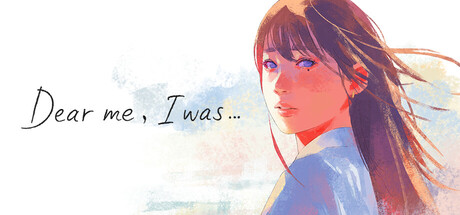
Watercolor and rotoscope art praised: The watercolor and rotoscoping art style is repeatedly highlighted as impeccable, gorgeous, and emotionally reinforcing. Reviewers find the visual style beautiful and distinct, often comparing it to poetry.
Beautiful and touching life story: The narrative is described as a beautiful, heartfelt story about the path of life. Players find it emotionally resonant and impactful, with several mentioning it made them cry.
Art style conveys emotions: The art style is noted for conveying a lot and reinforcing emotions. The watercolor and rotoscope techniques effectively enhance the narrative's emotional depth.
Art and music perfectly matched: Reviewers note that the art and music complement each other exceptionally well, enhancing the overall experience. The combination is described as amazing and excellent.
Common complaints
Limited player interaction: Multiple reviewers noted that interaction is minimal, often limited to pressing a button a few times, with no dialogue or text to read. This makes the experience feel passive and lacking in engagement.
Shallow emotional impact: Reviewers felt the story did not emotionally resonate as expected, with flat and ordinary storytelling. The portrayal of themes like loss and reconciliation is shallow, lacking new perspectives or depth.
Lacks substance and polish: The story lacks substance and is loosely connected, with minor gripes about polish. Reviewers felt the game is lacking as a game and could not fully connect to it.
Confusing story elements: Some reviewers got lost or confused at certain points, especially in Chapter 3, due to lack of text or narration. This hindered their understanding and connection to the game.
Jarring animation stops: The constant stop/starting of the animation is jarring and interrupts the flow. The rotoscoping technique is not considered novel, and the click interactions are too few and disruptive.
Gameplay and performance
No dialogue or text: Multiple reviews highlight that the game contains no spoken or written dialogue, relying entirely on visual and musical storytelling. This is a defining characteristic of the experience.
Interactive movie feel: Reviewers often compare the game to an interactive movie or short film, noting limited interactivity and a strong cinematic presentation. This shapes player expectations.
Linear narrative structure: The story is linear with no branching paths or choices, similar to a novel or visual novel. This linearity is noted by several reviewers.
Visual novel without choices: The game is described as a visual novel without branching paths, offering a fixed narrative experience.
Interactive fiction genre: Reviewers categorize the game as interactive fiction or a storytelling product, emphasizing its narrative-driven nature.
Performance issues on low-end hardware: Multiple reviewers reported severe performance problems, including visuals moving at half speed, frame rates below one frame per second, and the game failing to run entirely on certain systems. These issues appear to stem from the game's demanding Unreal Engine 5 requirements.
Recommendations
Recommended for narrative art lovers: Multiple reviewers recommend the game to those who enjoy slice-of-life, interactive art, and beautiful narration. It is praised for its gorgeous visuals and emotional storytelling.
Good value for price: Reviewers note the game is a good pickup for its price, especially for a short experience. Some suggest waiting for a sale, but overall it is considered worth the cost.
Ideal for short sessions: The game is perfect as a little time killer and for those with an hour to spare. It is recommended to play in a single sitting for full impact.
Fans of specific creators: The game is highly recommended for fans of Taisuke Kanasaki and similar titles like Florence, What Comes After, and Love Choice. These comparisons suggest a specific artistic and narrative style.
Not for gameplay seekers: Reviewers warn that this is not a video game but a beautiful animation demonstration with minimal gameplay. It is not recommended for those who dislike short titles or minimal interaction.
Buying context
Community fair range: $5.00 - $10.00.
Game completion: 1.0h.
Story completion: 1.0h.
Session length: 1.0h.
Player profiles
Art Enthusiast: Slow, immersive, taking time to observe and absorb each scene's artistic details. Motivation: To experience the game as an interactive work of art, appreciating its visual and emotional depth. Stance: buy.
Value-Conscious Player: Plays in one sitting, focuses on pacing and overall duration, and evaluates the game's worth relative to its price. Motivation: To get a good value for money, with a well-paced experience that fits into a single session. Stance: buy.
Genre Fan: Engages deeply with the narrative and art, comparing the game to similar titles and appreciating its unique qualities. Motivation: To discover and support games that resemble their favorite visual novels and narrative experiences. Stance: buy.
Other review notes
Game is very short: Multiple reviewers note the game can be completed in under an hour, with times ranging from 40 to 60 minutes. This brevity is a common point of discussion, with some appreciating the concise experience and others feeling it is too short.
Comparisons to Hotel Dusk: Many reviewers compare the game to Hotel Dusk, citing similarities in atmosphere, art style, and overall feel. This comparison is frequent and often positive, with some expressing nostalgia for the classic series.
Taisuke Kanasaki's involvement: The game is directed by Taisuke Kanasaki, known for Hotel Dusk and Trace Memory. Reviewers highlight this connection, often praising the game as a spiritual successor or a return to his signature style.
Arc System Works as publisher: The game is developed and published by Arc System Works, a studio known for fighting games. Some reviewers find this surprising but appreciate the studio's support for a different type of experience.
Switch 2 release before Steam: The game was released on Switch 2 before coming to Steam, and the Switch 2 version supports mouse mode. This platform strategy is noted by some reviewers.