- Branching storyline with meaningful choices impacts gameplay
- Beautiful art style and emotionally rich soundtrack
- High replayability through unique narrative experiences
- Deckbuilding mechanics enhance immersive storytelling
- Shallow romances and clichéd character portrayals
- Tedious late-game pacing disrupts immersion
Emotions
What players like:
Common complaints:
Gameplay feedback:
Performance notes:
Recommendations:
Other player notes:
Similar games
Blend with other games








Review evidence
Why players say this
Review evidence
Why players say this
What players like
Branching storyline with meaningful choices: The game features a deeply engaging narrative with branching paths, multiple endings (29+), and choices that significantly impact character relationships and plot outcomes. Players appreciate the freedom to explore 'good' and 'evil' options, creating high replayability and emotional investment.
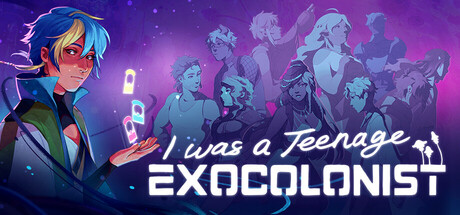
Beautiful art style and soundtrack: The game’s watercolor-inspired art, vibrant character designs, and atmospheric soundtrack are consistently praised for their beauty and emotional impact. The aesthetic complements the narrative, creating a cohesive and immersive experience.
Emotionally rich and immersive storytelling: The story is praised for its emotional depth, evoking a wide range of feelings from joy to sorrow. Players highlight the immersive world-building, relatable characters, and themes like childhood trauma, grief, and recovery, which resonate deeply and encourage multiple playthroughs.
High replayability with unique experiences: Replayability is a core strength, driven by time loops, memory retention, and unlockable narrative paths. Each playthrough reveals new content, dialogue, and endings, making the game feel fresh and rewarding even after dozens of runs.
Deckbuilding mechanics enhance storytelling: The card-based gameplay, while optional, adds strategic depth and thematic resonance. Players enjoy the deckbuilding challenges, which integrate seamlessly with the narrative and skill progression, offering a unique blend of RPG and visual novel elements.
Common complaints
Shallow and unsatisfying romances: Romance options are described as forced, unnatural, and poorly written, with limited impact on the game world. Relationships often feel hollow, contrived, or culturally jarring, leading to frustration.
Clichéd and stereotypical characters: Characters are often described as one-dimensional, stereotypical, or poorly written, with some portrayals reinforcing harmful tropes (e.g., racial or LGBTQ+ stereotypes).
Tedious late-game and pacing issues: The late game is described as shallow, repetitive, or too short, with pacing issues that make multiple playthroughs feel tedious or uninspired.
Frustrating character relationships: Relationships with characters feel shallow, unfulfilling, or emotionally distressing. Some characters are disliked for their personalities or writing, leading to frustration.
Unclear mechanics and narrative direction: Players struggle with unclear mechanics for triggering events, plot progression, or achieving specific outcomes. The narrative can feel inconsistent or rushed.
Gameplay and performance
Choice-driven narrative core: The game revolves around branching storylines, multiple endings, and dialogue-based choices that significantly impact character relationships and outcomes. Players experience replayability through varied narrative paths and emotional consequences tied to decisions.
Replayability and achievements: Designed for multiple playthroughs, the game encourages exploration of different paths, hidden secrets, and achievements tied to narrative outcomes or gameplay milestones.
Character customization and inclusivity: Players customize protagonists (appearance, gender, pronouns) and shape personalities through choices. LGBTQ+ inclusivity and diverse character arcs are central to the experience.
Time loop and memory mechanics: A core gameplay loop involves repeating lifetimes with retained memories, unlocking new dialogue options, and altering decisions in subsequent playthroughs. This mechanic enhances replayability and narrative depth.
Hybrid genre blending: The game merges visual novel storytelling, life simulation, RPG elements, and deckbuilding. This unique combination appeals to fans of narrative-driven and strategic gameplay.
Strong performance across devices: The game is optimized to run smoothly on various hardware, including low-end PCs, Steam Deck, and supports both keyboard/mouse and gamepad inputs. This broad compatibility ensures a consistent experience for most players.
High stability with minimal bugs: Players report the game is stable with no major technical issues, indicating a polished and well-tested release. This reduces frustration and improves overall satisfaction.
Recommendations
Value and pricing recommendations: While many deem the game worth full price, others suggest buying on sale or trying the demo first. It is considered a strong value for its depth and replayability.
Ideal for specific gaming preferences: The game is highly recommended for fans of visual novels, deck-building, sci-fi, RPGs, and choice-based mechanics. It may not appeal to those seeking fast-paced action or minimal text.
Blind playthroughs enhance experience: Many players advise going in blind for the first run to maximize immersion and discovery. Avoiding spoilers or guides is strongly encouraged to preserve the game’s impact.
Balanced challenge and mechanics: The default difficulty is considered well-balanced, and the game’s mechanics (e.g., deck-building, stat improvements) are praised for adding depth without overwhelming players.
Potential for future content: Players express excitement for a sequel or similar games, citing the current title’s depth and unique mechanics as a foundation for future projects.
Other review notes
Steam Deck menu adjustments: The game includes an option for larger menus, improving accessibility and usability on the Steam Deck. This feature is valuable for players using handheld devices.
Unsettling character design: Multiple players found the 'dog kid' character visually disturbing or unsettling, impacting their immersion in the game. This feedback highlights a specific design choice that may need reconsideration.
Emotional impact on players: Several players mentioned the game helped them through difficult personal times, indicating strong emotional resonance and narrative depth. This suggests the game's themes and storytelling are highly effective for some audiences.
Mature themes addressed: The game tackles mature topics, which resonated with players seeking deeper or more complex narratives. This may appeal to an older or more reflective audience.
LGBTQ+ representation included: The game features LGBTQ+ characters, which was noted by players. This reflects the game's inclusive design, though it may not directly affect gameplay mechanics.