- Nostalgic Castlevania-inspired design elements
- Addictive and rewarding gameplay loop
- High replayability with content variety
- Clunky and unresponsive control scheme
- Lack of clear progression guidance
- Repetitive and linear level design
Emotions
What players like:
Common complaints:
Gameplay feedback:
Performance notes:
Recommendations:
Other player notes:
Similar games
Blend with other games






Review evidence
Why players say this
Review evidence
Why players say this
What players like
Nostalgic Castlevania-Inspired Design: The game’s art style, level design, and gothic soundtrack evoke strong nostalgia for *Castlevania*, particularly *Symphony of the Night*. Fans of the series appreciate its authentic homage while maintaining originality.
Addictive and Rewarding Gameplay: Players consistently describe the gameplay as addictive and satisfying, with a well-balanced progression system (weapons, shards, buffs) and engaging exploration. Side quests and crafting add depth without feeling forced.
High Replayability and Content Variety: Multiple game modes (New Game+, co-op, versus), unlockable characters, and diverse endings encourage replayability. Weapon/skill variety and flexible playstyles (e.g., grinding vs. skill-based) cater to different preferences.
Phenomenal Soundtrack and Audio: The soundtrack is a standout feature, with heavy gothic rock influences reminiscent of *Castlevania*. Voice acting and sound effects are also noted as top-tier, enhancing immersion.
Accessible Yet Challenging Difficulty: The game strikes a balance between accessibility and challenge, avoiding excessive grind or punishing mechanics. Hard mode offers meaningful difficulty for players seeking it, while normal mode remains casual-friendly.
Common complaints
Clunky and Unresponsive Controls: The controls are criticized for being slow, unresponsive, and lacking modern mechanics like dashing or forward dodging. Movement feels stiff, and combat suffers from awkward hitboxes and unresponsive inputs.
Lack of Clear Progression Guidance: Players struggle with unclear progression, requiring external guides due to poor in-game hints. Systems like shard upgrades and RNG-based drops are poorly explained, leading to confusion.
Shallow and Unengaging Story: The narrative is described as clichéd, predictable, and lacking depth. Characters are generic, and the plot fails to engage players, with an unsatisfying ending.
Repetitive and Linear Level Design: Players highlight the lack of platforming variety and repetitive, unimaginative areas. The castle layout is described as boring, and the second half of the game reuses assets excessively, leading to tedium.
Outdated and Poor Visual Design: The game's graphics are frequently criticized for being ugly, inconsistent, and resembling a PS3-era title. The 2.5D implementation is seen as unnecessary and poorly executed, with issues like janky hitboxes and low-quality textures.
Gameplay and performance
Boss fights require strategy: Boss encounters vary in difficulty and creativity, often requiring preparation (potions, food, shards). Early-game boss 'Moon Slasher' is frequently cited as a challenging checkpoint.
Food and crafting mechanics: Unique food items and a crafting system (weapons, armor, consumables) add depth to progression. Some players enjoy the playful mechanics, while others critique deterministic farming.
Shard-based progression system: The shard system (5 types: directed, spellcasting, manipulation, passive, familiars) allows players to acquire enemy abilities, upgrade stats, and customize combat. Some find it grindy but rewarding.
Weapon and ability variety: Combat customization is multifaceted, with numerous weapons, equipment, and shards offering numerical differences. Players appreciate the variety but note some abilities feel overpowered.
Multiple playable characters/modes: The game offers four playable characters (Miriam, Zangetsu, Aurora, Bloodless), multiple gameplay modes (New Game+, Classic, Aurora), and unlockable endings, encouraging replayability.
Error popups cause crashes: Frequent error popups lead to game crashes, forcing players to redo progress and severely disrupting the experience. This is a critical bug requiring immediate attention.
Strong low-end performance: The game runs smoothly on older or lower-end machines, making it accessible to a broader audience. This is a key strength for players with limited hardware.
Mixed graphics optimization: While the game has jagged edges on max settings, some players question the necessity of its 2.5D art style, suggesting room for improvement in visual polish or design clarity.
Recommendations
Must-play for Metroidvania fans: The game is overwhelmingly recommended for fans of the Metroidvania genre, particularly those who enjoy Castlevania-style games like Symphony of the Night. Its dark Gothic atmosphere and design make it a spiritual successor to classic titles in the genre.
Mixed recommendation for general players: While some players recommend the game despite its flaws, others advise against it unless the player is masochistic or seeking a casual experience. The base game is often recommended only if purchased on sale or during promotions.
Strong recommendation for genre newcomers: The game is recommended for beginners in the Metroidvania genre, as well as those looking for a modern take on classic Castlevania-style gameplay. Some reviews suggest it as a gateway to the genre.
Best value on sale: The game is frequently suggested as a good purchase when discounted, particularly at 75% off. Players emphasize its value when bought during promotions rather than at full price.
Enjoyable main story alone: The main story is praised as enjoyable even without engaging with optional content, making it accessible for players who prefer a straightforward experience.
Other review notes
Developed by Castlevania producer: Koji Igarashi, the original producer of *Castlevania*, led development, reinforcing the game’s ties to the series. This is a major selling point for fans of his work and the genre.
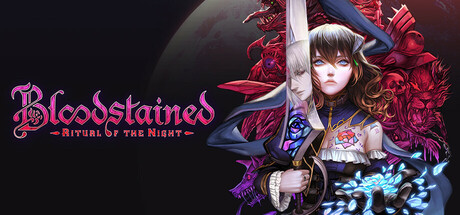
Artwork vs. in-game graphics mismatch: Players noted a contrast between promotional artwork and actual in-game visuals, which may lead to disappointment. This highlights expectations set by marketing materials.
Kickstarter-funded development: The game originated as a Kickstarter campaign, reflecting strong community backing and a niche appeal. This funding method often attracts dedicated fans but may also set high expectations.
Features Aurora from Child of Light: The game includes Aurora, a character from *Child of Light*, suggesting cross-franchise appeal or thematic connections. This may attract fans of both franchises but could also create expectations for similar gameplay.
Players repurchased on Steam: Some players bought the game twice (e.g., Xbox at launch and later on Steam), suggesting strong replay value or platform preference. This indicates high satisfaction or a desire for improved performance/features.