- Excellent Lovecraftian art and atmosphere.
- Fun, engaging, and varied gameplay.
- Roguelite with procedural generation.
- Strategic spell-based combat.
- Polarizing; niche appeal.
- Poor enemy design and AI.
What players like:
Common complaints:
Gameplay feedback:
Performance notes:
Recommendations:
Other player notes:
Similar games
Blend with other games



Review evidence
Why players say this
Review evidence
Why players say this
What players like
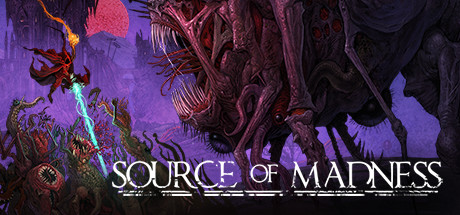
Excellent Lovecraftian art and atmosphere: The game's Lovecraftian-inspired art style, atmosphere, and sound design are consistently praised for creating a unique, unsettling, and immersive experience. The visuals are often described as grotesque, bizarre, and fascinating, effectively capturing the essence of cosmic horror. The sound design and music complement the visuals, enhancing the overall sense of dread and mystery.
Fun, engaging, and varied gameplay: The game is generally considered fun and engaging, with a good variety of weapons, equipment, spells, and builds. The core gameplay loop is addictively fun and encourages continued progression. Combat is simple yet logical, requiring strategic coordination.
Procedural generation creates unique monsters: The game features procedurally generated monsters and levels, often using AI, resulting in unique and bizarre creatures. This adds to the replayability and Lovecraftian feel, with enemies having diverse attack patterns and appearances.
Diverse builds and powerful magic: The game features diverse builds, wizards, and magic, with powerful spells and abilities for the player to use. The ring-based elemental weapons allow for changing playstyles, preventing monotony and providing different ways to kill creatures.
Skill tree and roguelike progression: The game features a clear and easy-to-understand skill tree, where players can unlock classes and skills. Upon death, the player is reborn as someone else, retaining unlocked skills, and the castle features tombstones of fallen characters.
Common complaints
Poor enemy design and AI: Enemy design and AI are major issues. Enemies are often described as uninspired, repetitive, and difficult to read, with nonsensical designs and movements. This leads to chaotic and frustrating combat encounters where it's hard to discern attacks or strategize effectively.
Repetitive gameplay and levels: The game suffers from repetitive gameplay and monotonous level design. Runs become tedious due to long levels, similar environments, and repetitive enemy encounters. This leads to boredom and a lack of engagement, especially in the early game.
Lacks polish and feels uninspired: The game lacks polish and feels uninspired, with many reviewers describing it as 'jank'. It suffers from a lack of direction, a weak core gameplay loop, and a general sense of being unfinished. The game also relies heavily on AI-generated content, which is not clearly communicated and of poor quality.
Clunky and unresponsive controls: The game's controls and movement feel clunky, awkward, and unresponsive. This makes combat and exploration frustrating, impacting the overall feel of the game. The slow combat pace also contributes to the feeling of sluggishness.
Unclear and unappealing visuals: The game's visual style is often unclear and visually unappealing. Issues include difficulty distinguishing between background and foreground elements, poor color palettes, and excessive darkness. Some reviewers also experienced eye strain from the art style.
Gameplay and performance
Roguelite with procedural generation: The game blends roguelite, Metroidvania, and ARPG elements, featuring procedurally generated levels, enemies, and items. Each run presents a unique experience, encouraging replayability as players adapt to different challenges and gradually progress.
Strategic spell-based combat: Combat revolves around spellcasting, strategic movement, and utilizing dashes for evasion and offense. Players equip rings to cast spells, manage resources, and exploit enemy weaknesses, often employing kiting tactics.
Customizable equipment and abilities: Players collect and equip rings, hoods, and accessories to customize their character's abilities and stats. Rings function as weapons, providing diverse magical attacks, while other equipment offers passive buffs and additional skills.
Permanent skill tree upgrades: The game features permanent upgrades through a skill tree, unlocked using currency earned from defeating enemies and bosses. These upgrades enhance character stats, unlock new classes, and improve resource acquisition, providing a sense of progression despite permadeath.
Varied levels and progression: The game features multiple chapters with increasing difficulty levels, treasure rooms, gambling machines, and destructible environments. Players start in a hub area with shops and dungeon entrances, progressing through levels with combat, exploration, and boss battles.
Inconsistent performance and stability: The game's performance is inconsistent, with reports of crashes, frame rate drops in certain areas, and graphical glitches. While some players experienced solid performance, others encountered issues that disrupted gameplay.
Garbled text in equipment stats: Some equipment stats are displayed with garbled text characters. While this issue doesn't severely impact gameplay, it does create a minor inconvenience for players.
Unpredictable physics engine: The physics engine sometimes causes unexpected behavior, such as monsters being launched erratically. This can lead to unpredictable and potentially humorous, but ultimately unintended, gameplay moments.
Improved readability at low settings: Lowering the graphic settings can improve environmental readability. This suggests that the default graphic settings may make it difficult to distinguish objects or navigate the environment.
Recommendations
Polarizing; niche appeal: Reviews are mixed, with many suggesting the game is only worthwhile on sale or for fans of Lovecraftian horror and the game's unique art style. Some find the gameplay lacking, while others appreciate the atmosphere and theme. Many reviewers suggest trying a demo or waiting for further updates before purchasing.
Poor design, unbalanced gameplay: Several reviewers express disappointment with the game's design, balance, and overall execution, with some calling it 'garbage'. Procedural generation and reliance on atmosphere over gameplay are common criticisms. Some reviewers are concerned about the game's AI art gimmick.
Lacking content; needs updates: Some reviewers express a desire for more content, including new maps, spells, and classes, suggesting the game feels incomplete. This indicates a positive core experience that could be enhanced with further development. Some reviewers requested a refund.
Strongly negative experience: The reviewer strongly advises against playing the game and is seeking a refund. The reviewer's initial interest waned due to the enemy behavior, leading to a negative recommendation. The reviewer suggests that the game is only worth playing as a cheap, casual experience when on sale, comparing it to a 'Cthulhu Fruit Ninja'.
Inferior to other games: The reviewer reinstalled Dead Cells and prefers playing Noita. This suggests that the game does not measure up to other popular titles in the genre and may lack the depth or polish necessary to keep players engaged.
Other review notes
Sequential biome progression exists: The game features a sequential biome structure, including areas like the Fertile Soil Gate, the Moon, and the Forgotten Knowledge Dungeon. Within these areas, players can encounter optional challenges, such as the Krampus boss fight in the ice area of the Forgotten Knowledge Dungeon.
Developers responsive to feedback: The developers have been responsive to player feedback, addressing issues like character movement in updates. This responsiveness is a positive sign, indicating active development and a willingness to improve the game based on player input.
Insufficient descriptions for abilities: Several reviewers noted a lack of clear descriptions for perks, magic, and sub-weapons. This lack of information forces players to experiment to understand their effects, potentially leading to frustrating or unintended consequences.
Limited community resources/guides: The game's small community size results in limited resources for players, such as tutorials, FAQs, and guides. While the developer actively engages on Discord, the lack of comprehensive documentation may hinder the player experience.
Random class unlocks: Class unlocks are random and cannot be chosen by the player.