- Deep dice-spell synergy
- Strategic tactical depth
- Beautiful hand-drawn art
- Limited build variety
- Poor tutorials and complexity
- Difficulty and forced strategies
Emotions
Archetypes
What players like:
Common complaints:
Gameplay feedback:
Performance notes:
Recommendations:
Other player notes:
- -
No data available
Similar games
Blend with other games





Review evidence
Why players say this
Review evidence
Why players say this
Steam review verdict
Boasts deep dice-spell synergy, strategic tactical depth, and beautiful hand-drawn art, yet limited build variety, poor tutorials, and forced strategies create frustrating difficulty.
What players like
Deep dice-spell synergy: Players praise the deep synergy between dice modification, runes, and spell cards. The system allows strategic combining of dice faces and bodies with runes for varied builds.
Strategic tactical depth: The game features unique mage skills, strategic card adjustments, and meaningful progression. It provides many layers of strategy and impactful choices, making it a good tactical foundation.
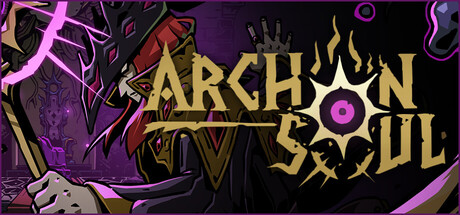
Beautiful hand-drawn art: The hand-drawn art style, compared to Darkest Dungeon and American comics, is widely praised. The visual presentation complements the game's dark fantasy theme.
High replayability variety: The game offers high replay value through many build options, new dice crafting paths, and added encounters. Players cite huge possibilities and layers of strategy.
Effective specific builds: Specific builds like Spring-like or Black Flame for Fire mage are highlighted. Players enjoy discovering effective strategies for each class, such as the Earth mage's sandstorm.
Common complaints
Limited build variety and replayability: Spells have high restrictions, many are useless, and rare spells lack power. There are only 2-3 preset builds per character with little crossover, limited enemy variety (42 enemies, no artifacts), and the Blackflame strategy vastly outshines others. After three runs, the game feels repetitive with limited replayability.
Poor tutorials and complex mechanics: Spell slots require items to unlock, mechanics like lock picking demand specific dice, and the third class (Governor) has a large card pool making builds hard to complete. Tutorials poorly explain dice modification symbols, rune enchanting, and lock picking, causing confusion. The true ending is underwhelming and requires health sacrifice.
Difficulty and forced strategies: The game relies heavily on debuff items to progress, enemies and bosses have overpowered stats (e.g., 20 attack and defense per turn by floor 2), and randomness from limited dice and negative effects creates frustration. Optimal strategy often narrows to sticking with one build, reducing creative freedom.
Localization and UI problems: German localization has missing descriptions and poor translations, and there are no Portuguese subtitles. The 3440p resolution pushes UI elements off screen, and text is small on Steam Deck. Many players feel the game is not worth more than 30 yuan due to these issues.
Gameplay and performance
Dice crafting roguelike gameplay: The game merges dice mechanics with card-like spells, emphasizing dice face modification and spell slotting rather than traditional deck-building. Players craft dice faces and synergize them with spells.
Extensive dice customization: Dice can be deeply customized by changing their faces, adding runes, swapping bodies, and enchanting sides. Players start with three six-sided dice and can modify faces to values between 1 and 9.
Multiple mage classes: Players can choose from multiple mage characters, each with unique attack systems, spell pools, and mechanics. At least four mage classes are available, including a green earth-themed character.
Strategic roguelike elements: The game is a turn-based dice roguelike with hero and enemy abilities, no permanent relics, and dice modification as core. Every choice impacts strategy, with a progression system.
Events and progression systems: The game includes various events, boss mechanics, upgrade choices, and a true ending condition. Spell schools like sandstorm influence strategy and progression.
Smooth Steam Deck performance: Both clusters report that the game runs without stuttering, crashes, or bugs, delivering a clean and optimized experience on the hardware.
Recommendations
Good value for price: Many players confirm the game is worth its low price, provides great value, and deserves both time and money spent.
Targets roguelike lovers: Several comments state the game is recommended only for roguelike enthusiasts or those who enjoy strategic dice-building and finding stability in randomness.
Appeals to deckbuilding fans: Multiple reviewers highlight this game as easy to pick up for fans of Slay the Spire, Dicey Dungeons, or Slice & Dice, meaning the core loop and deckbuilding mechanics are similar.
1.0 release lacking: A review says to support the dev but notes the 1.0 release feels lacking, implying content or polish is insufficient for full release.
Language support issues: One reviewer strongly recommends only to those who know supported languages, indicating language support may be limited or a barrier.
Buying context
Story completion: 3.0h.
Session length: 2.0h.
Player profiles
Roguelike Build Enthusiast: Experimental and theory-crafting, exploring deep build synergies and dice combinations. Motivation: Mastering the varied rune and dice systems to create powerful, synergistic builds. Stance: buy.
Tactical Optimizer: Methodical and efficiency-driven, focusing on precise tactical decisions and resource optimization. Motivation: Achieving consistent runs through careful planning and exploiting specific dice-spell synergies. Stance: buy.