- Innovative dice mechanics praised
- High replayability and variety
- Unique roguelike deckbuilder
- Balance issues throughout
- Extreme difficulty causes stress
- Inferior to Slay the Spire
Emotions
Archetypes
What players like:
Common complaints:
Gameplay feedback:
Performance notes:
Recommendations:
Other player notes:
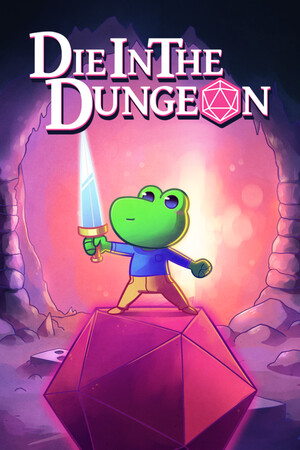
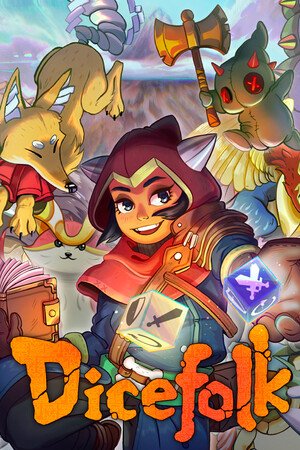
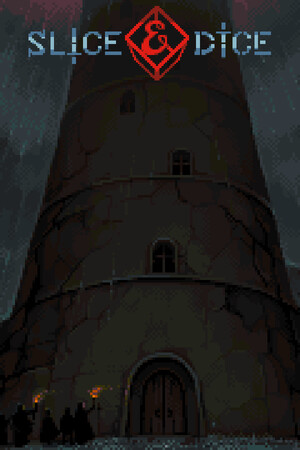
Similar games
Blend with other games






Review evidence
Why players say this
Review evidence
Why players say this
Steam review verdict
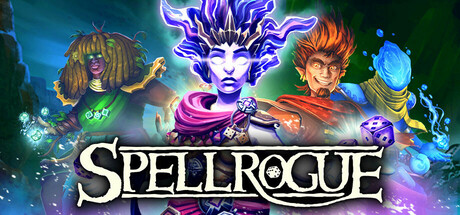
Innovative dice mechanics and high replayability make this roguelike deckbuilder stand out, but balance issues and extreme difficulty add stress, leaving it short of Slay the Spire.
What players like
Game is fantastic and fun: Players consistently praise the game as highly enjoyable, well-designed, and well-executed. The positive feedback is widespread and detailed, indicating strong overall satisfaction.
Dice mechanics are innovative: The dice-based mechanics are highlighted as a fresh and entertaining twist, adding complexity and strategic depth. Players appreciate the blend of dice and cards, which sets the game apart from typical deckbuilders.
High replayability and variety: The game offers excellent replay value due to deep systems, varied content, and multiple viable builds. Players note the abundance of content and the many ways to approach each run.
Unique roguelike deckbuilder: The game is praised as a standout in the roguelike deckbuilder genre, often compared favorably to Slay the Spire. Its unique dice and deck-building mechanics provide a distinct experience that scratches the genre's itch.
Distinct and varied characters: Each of the four playable characters feels unique, with different spells and mechanics that keep gameplay fresh. Players appreciate the individuality and variety among characters, enhancing replayability.
Common complaints
Balance issues throughout: Multiple clusters highlight significant balance problems, including uneven difficulty, overpowered or underpowered elements, and a lack of fine-tuning. The balance is described as off, bad, and all over the place, especially at higher difficulties.
Extreme difficulty causes stress: The game's high difficulty is frequently criticized as stressful, torturous, and uncomfortable. Players find the challenge overwhelming and not enjoyable, with some noting that it becomes unfair due to randomness.
Repetitive gameplay loop: Players report that the core gameplay becomes repetitive and boring over time, with the same cards and strategies used every round. The loop is slow and lacks variety, leading to monotony.
Inferior to Slay the Spire: Players consistently compare this game unfavorably to Slay the Spire, citing it as more straightforward, easier, and lacking depth and gamefeel. The thematic and world-building aspects are also considered weaker.
Lacks overall polish: The game is not as polished as expected, with a long way to go in terms of refinement. This includes issues with translation quality, which is worse than machine translation.
Gameplay and performance
Dice deckbuilder hybrid: The game combines dice rolling with deckbuilding mechanics, where dice serve as costs or resources for cards. This core loop is frequently highlighted by players.
Slay the Spire comparison: Many reviews explicitly compare the game to Slay the Spire, noting similarities in structure, combat, and progression. This comparison is a common reference point for players.
Dice-based spell casting: The game replaces traditional mana with dice rolls that are assigned to spells or skills, influencing their power. This unique twist is a standout feature for players.
Randomness and strategy: The game incorporates randomness through dice rolls, but players can manipulate it to some extent. This balance between chance and strategy is a key aspect of gameplay.
Difficulty options: The game offers multiple difficulty levels, including a high-difficulty mode with Act IV. This scaling difficulty provides challenge for experienced players.
Accusations of cryptocurrency mining: Multiple users accuse the game of using the player's computer to mine cryptocurrency, which is a serious concern. This could be a false rumor, but it needs clarification from developers.
Performance issues on low-end devices: The 3D art causes performance problems on less powerful hardware, and some users report terrible overall performance. This suggests optimization is needed for a wider range of devices.
High memory usage: The game fills up memory and uses up to 32GB, which is excessive and can cause system instability. This is a significant technical issue that needs addressing.
Steam Deck performance praised: The game runs perfectly on the Steam Deck with top-notch performance and inputs, indicating good compatibility with this handheld. However, battery drain is heavy, comparable to The Witcher 3.
Crashes and forced reboots: The game crashed on start twice and forced a system reboot, indicating stability problems. This can prevent players from even launching the game.
Recommendations
Recommended for Slay the Spire fans: Many reviewers recommend the game to fans of Slay the Spire and similar deck-building roguelikes. It is seen as a strong alternative or addition to the genre.
High overall recommendation: Many reviewers give a straightforward, strong recommendation, calling the game outstanding and highly recommended. This reflects broad positive sentiment.
Worth the price: The game is considered well worth its price, especially on sale. Some reviewers note it is excellent value even at full price.
Strong deckbuilding roguelike quality: Reviewers praise the game as one of the strongest deckbuilding roguelikes, appealing to both genre veterans and newcomers. It is highly recommended for all fans of the genre.
Recommendation on sale: Several reviewers recommend purchasing the game when it is on sale, noting it offers good value at a discounted price. Full price may be less compelling for some.
Buying context
Community fair range: $10.00 - $20.00.
Game completion: 9.0h.
Session length: 1.0h.
The game is fun from the start but becomes repetitive and grindy in the late game, causing a significant drop in enjoyment.
Friction: steep learning curve; inscrutable mechanics; slow progression; tedious starting cards.
Player profiles
Casual Time-Poor Player: Plays in short bursts, accepts randomness, and does not stress over optimal play. Motivation: Enjoy a deckbuilder without the time commitment and frustration of punishing randomness. Stance: buy.
Achievement Hunter: Grinds, retries, and optimizes specifically for achievement completion. Motivation: Complete all achievements and master the game's challenges. Stance: buy.
Strategic Engine Builder: Theorycrafts, tries diverse builds, and seeks synergistic combinations. Motivation: Experiment with different builds and create powerful, self-sustaining combat engines. Stance: buy.
Platform notes
Steam Deck: The game is playable on the Steam Deck but suffers from performance and battery drain issues, and the text may be small, requiring tinkering for an optimal experience.
Other review notes
Favorable comparison to Slay the Spire: Many reviewers compare SpellRogue to Slay the Spire, often stating it is better, on par, or a worthy alternative. They appreciate its unique twists and more approachable difficulty.
More casual and accessible: Several reviewers note that SpellRogue is easier and more straightforward than Slay the Spire, making it a more chill and approachable experience. This appeals to players seeking a less punishing roguelike.
Good value for price: Reviewers mention that the game offers good value for its price, especially when purchased on sale. The content and enjoyment justify the cost.
Early access status noted: Some reviews were written during early access, indicating the game was still in development. This may affect content completeness and polish.
Builds are all or nothing: Compared to Slay the Spire and Monster Train, some reviewers find that SpellRogue's builds are less flexible, often leading to either overpowered or underpowered runs.