- Charming art and animations
- Highly fun and enjoyable
- Excellent roguelike mechanics praised
- Diverse chimera combinations
- Easy to learn
- Repetitive gameplay
Emotions
Archetypes
What players like:
Common complaints:
Gameplay feedback:
Performance notes:
Recommendations:
Other player notes:
Similar games
Blend with other games



Review evidence
Why players say this
Review evidence
Why players say this
Steam review verdict
Charming art and fun roguelike mechanics with diverse chimera combinations are easy to learn but become repetitive over time.
What players like
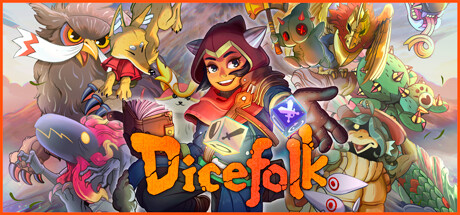
Charming art and animations: The game's designs, animations, and overall art are universally praised as charming, cute, and detailed. These visual elements contribute significantly to the game's appeal.
Highly fun and enjoyable: Reviewers frequently mention having a lot of fun, with engaging discovery and visual appeal. The game is interesting, satisfying, and holds players' attention.
Excellent roguelike mechanics praised: Players consistently describe the game as a top-tier roguelike with deep, addictive gameplay and a novel approach. The framework is solid, offering challenges and hard modes that appeal to genre fans.
Diverse chimera combinations: The game features a large selection of chimeras with unique traits and variants, offering numerous combinations. Players enjoy the variety and the synergies that emerge from mixing different types.
Easy to learn: The game offers a gentle learning curve without sacrificing strategic depth, making it simple to pick up. Its tutorial and design are understandable, allowing players to grasp mechanics quickly.
Common complaints
Repetitive gameplay: The game becomes repetitive quickly, especially after multiple playthroughs or runs. Players find the late game tedious and lacking in variety to sustain long-term interest.
Poor balance and disparity: There is significant imbalance in chimera and item strength, with large differences between monsters, making some choices clearly always to others.
High learning curve: Players report that the game has a steep learning curve, especially for newcomers who do not understand the mechanics. The initial difficulty can be overwhelming, but it may ease with experience.
Luck overshadows strategy: The balance is poor, as luck often matters more than strategic planning. This makes the game feel unfair and reduces the impact of player skill.
Limited gameplay variety: Gameplay is described as too singular and severely lacking variety, particularly for a roguelike, with few distinct strategies.
Gameplay and performance
Roguelike with dice deckbuilding: The game is consistently described as a roguelike deckbuilder with dice mechanics, similar to Slay the Spire, where runs and progression are key. Players roll dice to determine actions and build their strategy around them.
Turn-based combat with dice: Combat is turn-based, and players use dice to determine actions, including attack, rotation, and support dice with six faces. The combat system requires planning and managing dice for both the player's team and the enemy.
Creature collection and team building: The game emphasizes collecting and building teams of creatures, specifically Chimeras, with a focus on monster collection and team composition. Players can choose from various monsters with unique abilities, and there are shiny variants that offer additional effects.
Player controls enemy actions: A unique aspect highlighted by many players is the ability to control both friendly and enemy dice and actions. This includes operating the enemy's dice, selecting the order of enemy actions, and managing the shared dice pool, adding a strategic layer.
Customizable dice and items: Players can customize their dice faces, re-roll dice, and modify available sides. The game also features equipment, items, and synergies, allowing for personalized builds and strategic depth.
Excellent Steam Deck support: The game plays comfortably on Steam Deck, with positive feedback highlighting it as a strong platform for the experience.
Few technical issues reported: Players report almost no bugs and no relevant technical issues, indicating a stable and well-polished release.
Runs are well paced: Players appreciate that individual runs do not overstay their welcome, keeping the gameplay loop engaging without becoming tedious.
Lackluster graphics options: The graphics options are limited, mainly scaling up simplistic 2D art rather than offering substantial visual settings or enhancements.
Recommendations
Recommended for roguelike dice fans: Multiple reviewers recommend the game to fans of roguelike, dice, and deck-building genres. It is also praised for its appeal to monster-tamer and board game enthusiasts.
Casual and chill roguelike: The game is described as a casual, chill experience suitable for fans of roguelikes and monster collecting with a light strategy focus. It is a good after-work game that does not require long time commitment.
Worth buying at full price: Some reviewers state the game is totally worth buying, even at full price, and provides good value for money. Its depth and mechanics justify the cost for the right audience.
Strong recommendation for collection: Reviewers highly recommend the game for fans of strategy, monster collection, and roguelikes, praising its depth and synergistic mechanics, and considering it a favorite among dice-roguelikes.
Try demo first: A few reviewers advise playing the demo to see if the gameplay and atmosphere appeal before purchasing. This helps evaluate if the game suits individual preferences.
Buying context
Community fair range: $8.00 - $15.00.
Game completion: 25.0h.
Story completion: 10.0h.
Dicefolk is initially engaging for the first few hours due to its novel dice mechanics and creature collecting, but the core loop becomes repetitive and satisfaction declines as runs feel samey.
Player profiles
Casual Synergy Seeker: Casual, methodical synergy building, exploring different equipment and chimera combinations at a comfortable pace. Motivation: To enjoy a relaxing, strategic experience with cute monster collection and easy-to-learn mechanics. Stance: buy.
Discerning Roguelike Veteran: Analytical, seeking optimal strategies and variety; frustrated by perceived design flaws. Motivation: To find deep, varied, and balanced roguelike experiences; disappointed by Dicefolk's shortcomings. Stance: no buy.
Monster Collector Engine Builder: Experimental, focusing on building synergies between chimeras and items, optimizing dice choices. Motivation: To enjoy a novel fusion of creature collection and engine-building strategy with dice mechanics. Stance: buy.
Extra review signals
Monetization: The reviews show some players perceive the game as a cash grab due to its mobile origin and base price, but there is no evidence of in-game microtransactions or predatory monetization. One review praises the value including DLC. The monetization model appears to be a one-time purchase with optional DLC.
Other review notes
Compared to Slay the Spire: Many reviewers compare the game to Slay the Spire, with some saying it lacks depth while others praise its unique mechanics. Overall, it is seen as similar but with its own strengths.
Great value for price: Reviews mention the low price relative to playtime and content provided, making it a worthwhile purchase. The game is considered cheap and good value for money.
Bundle acquisition common: Many players acquired the game through Humble Bundle or similar offers, which may influence their perception of value. This is mentioned in several reviews.
Good Japanese localization: The game includes high-quality Japanese localization, which is appreciated by Japanese-speaking players. This positively affects the experience for those players.
Roguelike and dice comparisons: The game is often compared to roguelike and dice games, indicating its genre appeal and mechanics. It is seen as a light strategy roguelike.