- Fun and charming gameplay
- Dog customization is highlight
- RNG dominates gameplay outcomes
- Lack of RNG mitigation mechanics
- Strong roguelike deckbuilder
- High difficulty and unbalanced
Emotions
Archetypes
What players like:
Common complaints:
Gameplay feedback:
Performance notes:
Recommendations:
Other player notes:
Similar games
Blend with other games






Review evidence
Why players say this
Review evidence
Why players say this
Steam review verdict
A charming roguelike deckbuilder with fun gameplay and delightful dog customization, though heavy RNG with no mitigation mechanics makes outcomes feel unfair and difficulty often unbalanced.
What players like
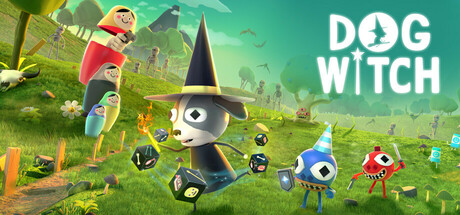
Game is fun and charming: Players consistently describe the game as fun, cute, and quirky, with a delightful and charming atmosphere. The game is praised for being simple yet engaging, with a great vibe and high replayability.
Dog customization is a highlight: The ability to customize the dog, including fur, hats, bark, and body size, is a standout feature. Players enjoy making the dog look like their own pet, adding a personal and endearing touch to the game.
Adorable and unique art style: The art style is consistently praised as cute, charming, and reminiscent of shows like Adventure Time. Players appreciate the simple yet pleasing aesthetic that adds to the game's overall appeal.
Excellent soundtrack and music: The soundtrack is frequently praised as excellent, funky, and relaxing, with lo-fi tracks that set a perfect mood. The music is considered a highlight that enhances the overall chill and enjoyable atmosphere.
Strong roguelike deckbuilder: The game is recognized as a solid and refreshing addition to the roguelike deckbuilder genre. It offers a unique and fun take on the genre, with tight mechanics and a clear vision that appeals to fans.
Common complaints
RNG dominates gameplay outcomes: Players consistently report that random number generation (RNG) heavily dictates success, often overriding skill and strategy. This leads to frustration, especially when bad luck ends runs without player control.
Lack of RNG mitigation mechanics: Reviewers note that there are very few ways to mitigate or counter bad luck, such as rerolling or deck thinning. This makes the game feel unfair and reduces strategic depth.
Game difficulty is high: Many players find the game challenging, with some unable to progress past early battles. The difficulty is often perceived as punishing rather than rewarding.
Replayability is low for roguelike: Despite being a roguelike, the game offers limited replay value, with some players saying there is no reason to replay after beating it. This is a significant drawback for the genre.
Gameplay feels unbalanced: Several reviews describe the game as extremely unbalanced, with certain mechanics or encounters feeling unfair. This contributes to a sense of frustration and reduces enjoyment.
Gameplay and performance
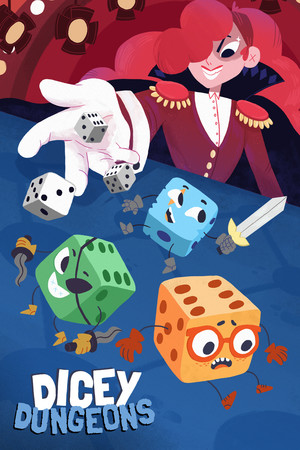
Roguelike deckbuilding dice game: The game is consistently described as a roguelike deckbuilder that uses dice as a core mechanic, often compared to Slay the Spire. It combines card-based strategy with dice-driven randomness.
Dice as core mechanic: Dice are central to the game, determining actions like attacks, spells, and summons. Players roll dice and use their results to make strategic choices, with reroll options available.
Hats modify gameplay significantly: Hats are a key feature, providing special effects, changing rules, and unlocking different playstyles. They are collectible and can be mixed and matched, adding variety and replayability.
Builds and synergies essential: Success depends on creating effective builds and synergies between items and abilities. Players must plan their strategies to survive and win, making synergy crucial.
Items with combos and interactions: Items have various uses and can form powerful combos, significantly impacting gameplay. Synergizing items is key to building strong strategies.
Steam Deck runs flawlessly: Players report the game works perfectly on Steam Deck, with smooth performance and no issues. This positive feedback is consistent across multiple reviews.
Mac windowed mode bug: On Mac, the game switches to windowed mode when reaching the title screen, which may disrupt the user experience. This issue is specific to Mac users.
Blurry default resolution on Deck: The default resolution of 1280x720 appears blurry on Steam Deck, affecting visual clarity. Players may need to manually adjust settings for better quality.
Recommendations
Overall positive recommendation: Many reviewers give a strong positive recommendation, stating the game is highly recommended and worth buying. The general consensus is that the game provides good value and is worth the price.
Recommended for deckbuilder roguelike fans: Multiple reviewers recommend the game to fans of deckbuilders, dice-based strategy games, and roguelikes, highlighting its experimentation and replayability. It is also specifically recommended for fans of Slay the Spire and Dicey Dungeons.
Try the demo first: Several reviewers suggest trying the free demo to see if the game is a good fit before purchasing. The demo is described as generous and a good representation of the full game's gameplay loop.
Worth the price: Reviewers state the game is worth the asking price, with some saying it is worth full price. The amount of content is considered fair for the cost, and players will get their value out of it.
Not recommended in current state: Some reviewers cannot recommend the game in its current state, citing the need for balance passes and RNG mitigation mechanics. They suggest waiting for updates or patches before buying.
Buying context
Community fair range: $8.00 - $10.00.
Game completion: 8.0h.
Session length: 0.3h.
DOG WITCH is enjoyable from the first run, with simple early gameplay that becomes more complex later, and a fast, addictive loop. A minority of players find the lack of tutorial frustrating, but the overall consensus is immediate fun.
Friction: Lack of tutorial or explanation of key mechanics; Dice odds can feel punishing and random; Repetitive enemies and runs.
Player profiles
Chill Casual Player: Plays casually, often in short bursts, enjoys customization and music, doesn't seek deep challenge or long-term commitment. Motivation: Relaxation and unwinding with a chill, low-stress game that fits into short sessions. Stance: buy.
Roguelike Deckbuilder Fan: They analyze synergies, experiment with builds, and aim for mastery (e.g., beating Master mode, unlocking endless). They may play multiple runs to discover all items. Motivation: To experience a unique blend of dice and card mechanics with strategic depth and replayability, often as a change of pace from harder roguelikes. Stance: buy.
Completionist Achiever: They play extensively, aiming to unlock all items and achievements, and continue playing for the satisfaction of full completion. Motivation: To complete all achievements and unlock everything, driven by a sense of completion and mastery. Stance: buy.
Platform notes
Steam Deck: The game runs smoothly on Steam Deck, but the default resolution (1280x720) causes blurriness. Changing to the native 1280x800 resolves the issue, making the experience enjoyable. No crashes, launcher problems, or other technical barriers were reported.
Linux and Proton: The available evidence indicates the game runs well on Steam Deck (Linux/Proton). The only minor issue is a blurry default resolution that requires a quick setting change, which is a small tweak rather than a compatibility problem. No launch failures, crashes, or performance complaints were reported.
Other review notes
Frequently compared to Slay the Spire: Many reviews describe the game as a simpler, more casual alternative to Slay the Spire, with shorter runs and more luck-based gameplay. Some note it is less deep but still engaging, with dice and a dog as distinguishing features.
Active developer support: The developers are frequently updating the game, fixing issues, and adding new content. They are responsive to feedback and actively engage with the community, which is appreciated by players.
Short and quick sessions: The game is noted for its short length, with runs often completed in under an hour, making it easy to pick up and play. It is best enjoyed in shorter sessions compared to other roguelites.
Future content planned: Developers have expressed plans to add more content in the future, including free updates. A recent roadmap looks promising, and players are excited for what's coming.
Beta testing involvement: Several reviewers were beta testers, receiving free copies of the game. They watched the game evolve and were part of a welcoming and engaged testing community.