- Satisfying strategic combo gameplay
- Deep replayable roguelike deckbuilder
- Charming art and music
- Limited content volume
- Gameplay feels visually monotonous
- No mid-run compendium access
Emotions
Archetypes
What players like:
Common complaints:
Gameplay feedback:
Performance notes:
- -
No data available
Recommendations:
Other player notes:
Similar games
Blend with other games



Review evidence
Why players say this
Review evidence
Why players say this
Steam review verdict
Charming art and music pair with satisfying strategic combos in this deep roguelike deckbuilder, though limited content, monotonous visuals, and no mid-run compendium hold it back.
What players like
Satisfying strategic combo gameplay: Players find the core loop of dice rolling, engine building, and combo scaling incredibly satisfying. Forming powerful synergies and triggering full-screen effects delivers a strong sense of accomplishment.
Deep replayable roguelike deckbuilder: Many reviewers praise the game's immense depth, varied builds, and high replayability. The large roster of characters, units, and artifacts ensures each run feels distinct.
Charming art and music: The game's visual style, animations, and soundtrack are frequently highlighted as major strengths. The cozy and polished presentation enhances the overall experience and makes it perfect for unwinding.
Accessible yet deep mechanics: Reviewers appreciate that the game is easy to learn but offers significant depth for mastery. Intuitive interfaces and straightforward scoring make it approachable for newcomers while still engaging veterans.
Strong Balatro-like comparison: Several reviewers compare it favorably to Balatro, calling it an amazing dice-based alternative. It stands out as a unique twist on the genre rather than a mere imitator.
Common complaints
No mid-run compendium access: Players find it awkward to back out of the menu to remember specific details and dislike having to save and exit to check the compendium. Adding mid-run access would improve information flow during runs.
Limited content volume: The current amount of content feels insufficient to some players, leading to concerns about replayability. More content updates or expansions could address this.
Gameplay feels visually monotonous: Some players describe the entire game as staring at a single screen, which reduces engagement and variety. More visual changes or dynamic elements could help break up the experience.
Bosses lack interactive depth: Boss encounters are criticized for being just a line of text with no meaningful gameplay interaction. This makes them feel underwhelming and disconnected from the core experience.
Steep strategy learning curve: The game contains a lot of nuance that demands understanding strategy and synergy fundamentals, which can be a barrier for new players. This may alienate those unfamiliar with the genre.
Gameplay and performance
Dice-based roguelike deckbuilder: The game is a roguelike deckbuilder where dice determine outcomes. Players roll dice to activate columns and place units, with deckbuilding elements integrated.
Balatro-like combo system: It features a combo system reminiscent of Balatro, with point multiplier scoring. This creates satisfying synergies and explosive scoring moments.
Unit and artifact synergies: Artifacts and units interact to create synergies. Placing units in specific columns triggers effects and combos.
Dice column scoring mechanic: Rolling dice corresponds to columns where units can be placed to score. Doubles or triples provide additional effects.
Character and commander variety: Multiple playable characters and commanders with unique starter artifacts and item pools offer diverse playstyles. Some characters like Whisper are notable.
Recommendations
Great for roguelike fans: Many reviewers strongly recommend the game to fans of roguelikes and strategy roguelikes. It is described as a great addition to any roguelike enthusiast's rotation.
Highly recommended by many: Numerous reviewers express strong recommendations, with some stating they cannot recommend it enough. This indicates a high level of satisfaction among players.
Excellent value for price: The game is considered a great deal, especially for its price point. Reviewers feel it offers strong entertainment value relative to its cost.
Sequel satisfies existing fans: If you liked the first game, you will likely enjoy the second one as well. This suggests the sequel maintains the core experience that fans appreciate.
Appeals to indie fans: The game is recommended for all indie fans, suggesting it has broad appeal within the indie gaming community. It is seen as a worthwhile experience for those who enjoy indie titles.
Player profiles
Roguelike Deckbuilder Veteran: Builds synergistic decks, compares systems across genre titles, and chases runaway number growth or game-breaking combos. Motivation: To find and master high-quality roguelike deckbuilders that reward deep combo knowledge and infinite scaling. Stance: buy.
Casual Stress-Relief Player: Plays casually for fun and relaxation, enjoying easy-to-grasp strategy and screen-filling combo explosions. Motivation: To unwind after a stressful day with satisfying, accessible gameplay and rewarding visual feedback. Stance: buy.
Series Lore Follower: Engages with the game as part of a larger series, seeking story details, lore contrast, and satisfying combat scenarios. Motivation: To explore the series' plot, alternate perspectives, and thematic connections after playing Starvaders. Stance: buy.
Other review notes
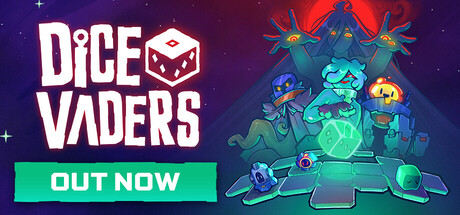
Shared universe with StarVaders: The game is set in the same universe as StarVaders but from the opposing perspective, playing as aliens instead of pilots. It serves as a thematic counterpart or successor.
Balatro comparison frequent: Multiple reviewers compare the game to Balatro, citing similar scoring systems and number-breaking gameplay. While inspired by Balatro, many note it maintains a distinct identity.
Demo and version 1.0: The game has a demo and recently released version 1.0, with progress carrying over from the demo. The full version includes more commanders, units, and content than the demo.
Developed by Pengonauts: Pengonauts studio developed the game, and they previously made StarVaders. The developer has a track record of releasing good games and is noted for crafting with love.
Favorable pricing: Several reviewers mention the game is more affordable than most and cheap compared to current market standards. This makes it accessible to a wider audience.