- Rock-paper-scissors roguelike is loved
- Beautiful graphics and art style
- Gem and artifact systems add depth
- Limited content in early access
- Final boss lacks variety
- Game length too short
Emotions
Archetypes
What players like:
Common complaints:
Gameplay feedback:
Performance notes:
Recommendations:
Other player notes:
Similar games
Blend with other games


Review evidence
Why players say this
Review evidence
Why players say this
Steam review verdict
A gorgeous rock-paper-scissors roguelike with deep gem and artifact systems, though early access content is limited, the final boss lacks variety, and the run is too short.
What players like
Rock-paper-scissors roguelike is loved: Players consistently praise the game's core concept of turning rock-paper-scissors into a roguelike deckbuilder. The simple mechanic is seen as surprisingly deep and fun, with fast-paced combat and variety.
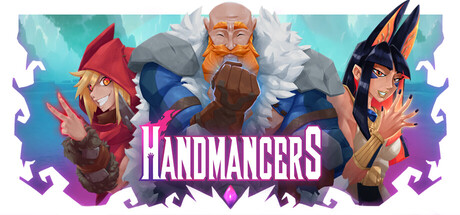
Beautiful graphics and art style: The game's visuals are frequently praised for being beautiful and well-crafted. The art style is attractive, with well-made animations and pleasing character designs.
Gem and artifact systems add depth: Players appreciate the gem embedding and artifact systems, which allow for interesting combos and build diversity. These systems enhance the strategic depth and provide meaningful choices.
Easy to learn, strategic depth: The game is praised for its simple rules that are easy to grasp, yet it offers a satisfying and strategic challenge. The difficulty curve is well-balanced, providing both accessibility and depth.
Unique and polished deckbuilder: Reviewers note the game as a unique and polished roguelike deckbuilder, with simplified card acquisition compared to typical titles. It stands out in the genre for its innovative approach.
Common complaints
Limited content in early access: Players consistently report that the current content volume is insufficient for an early access title, with many noting it feels like little more than the demo. This is a widespread concern affecting overall game value and replayability.
Final boss lacks variety: The final boss is criticized for having limited ability variety and an overly strong second form with a 5-turn win condition, making it feel hopeless and forcing aggressive play. Players also note the lack of alternative final bosses.
Game length too short: Runs are described as short, averaging around 50 minutes, and ending before a sense of accomplishment is achieved. The overall game flow is too brief, with paths being linear and lacking variety.
Translation and text issues: The Chinese translation is incomplete, with unclear descriptions and missing text, while some parts of the game remain in English. Terms like prefix/suffix and clone are not explained, causing understanding issues.
Balance issues across playstyles: There are notable imbalances between different playstyles, with the paper style and stun builds being overpowered while others feel underdeveloped. This leads to frustration and limits strategic diversity.
Gameplay and performance
Roguelike deckbuilder with meta progression: The game is a roguelike deckbuilder featuring meta progression, out-of-run unlocks, and a progression tree. Players earn currency from defeating enemies to unlock new content and strategies.
Rock-paper-scissors core combat: The game's combat is fundamentally based on rock-paper-scissors mechanics, where players place hand cards into slots against enemy pre-set hands. Winning deals damage, losing receives damage, and ties result in a parry.
Fixed 10-card deck customization: Each character has a fixed 10-card deck that is customized rather than expanded. Players never add cards but instead modify existing ones through gems and artifacts, focusing on card-cycling and odds-enhancing.
Artifacts provide permanent abilities: Artifacts are permanent abilities that help or hinder the character, taking up slots and allowing deck customization. They can be combined with gems to create multiple effects and add depth to builds.
Depth through interactions: Complexity emerges from interactions between card upgrades, artifacts, and enemy effects. The game offers many build possibilities, including stun builds and other combo strategies, with lots of strategies and interactions.
Optimization issues persist: General optimization problems have been mentioned, suggesting the game may not run smoothly on a variety of hardware configurations. This could affect frame rates and overall stability.
High GPU usage concern: The game reportedly consumes a high amount of GPU resources, which could lead to overheating or reduced performance on lower-end systems. This is a common performance-related complaint that may require optimization.
Choppy animations reported: Players have noted that animations can be choppy in certain areas, which may detract from the overall visual experience. This issue appears to be isolated but could indicate underlying performance problems.
Chinese text bug appears: A bug causes Chinese text to appear in the game, which may be a localization or encoding issue. This can confuse players who do not understand Chinese and disrupt immersion.
Recommendations
Highly recommended by players: Multiple reviewers strongly recommend the game, praising it as a worthwhile experience. This indicates a high level of satisfaction among players.
Recommended for roguelike deckbuilder fans: The game is specifically recommended for fans of roguelike deckbuilders and card games, suggesting it fits well within the genre. Reviewers highlight its appeal to this audience.
Wait for sale or updates: Some reviewers advise waiting for a sale or for more content updates before purchasing, citing limited content or early access status. This suggests the game may not yet offer full value at full price.
Worth trying for players: Several reviewers recommend trying the game, especially for those interested in the genre. This indicates a general positive sentiment and encourages potential players to give it a chance.
Support indie studio: Reviewers encourage supporting the indie studio behind the game, highlighting the value of backing smaller developers. This suggests a positive view of the developers and their work.
Buying context
Story completion: 1.0h.
Session length: 1.5h.
The game starts with limited choices and a learning curve, but meta progression and between-run unlocks make it more engaging after the first few hours. Players who push past the initial hurdle find a deep, addictive deckbuilder.
Friction: Limited card and relic choices in early runs; Slight learning curve; Initial frustration if deck doesn't work; Repetitive first few games.
Unlock drivers: Between-run progression; Unlocking new strategies; Unlocking more cards and relics; Earning Mani via Codex to speed up meta-progression.
Player profiles
Innovation Enthusiast: Experiments with all three characters and seeks out synergistic combos, enjoying the novelty of each run. Motivation: Experiencing the unique rock-paper-scissors mechanic and discovering how different characters and builds change the approach to combat. Stance: buy.
Critical Veteran: Optimizes builds and compares runs, but quickly notices repetition and lack of strategic branching. Motivation: Seeking deep, varied runs with impactful decisions and meaningful long-term progression. Stance: deep sale.
Casual Newcomer: Plays casually, focusing on learning the basics and enjoying the game without deep optimization. Motivation: Enjoying a simple, approachable roguelike that fits into short play sessions. Stance: buy.
Other review notes
Developers are responsive: The developers are highly active on Discord, fixing bugs, reading reviews, and answering questions, which builds community trust and satisfaction.
Anticipation for future updates: Many reviewers are excited about the game's evolution and look forward to upcoming updates, indicating a positive outlook despite current content limitations.
Comparisons to Slay the Spire: Reviewers frequently compare the game to Slay the Spire and Balatro, with some preferring it over Balatro and calling it their favorite card game this year.
Full game lacks content: The full game currently offers little content beyond the demo, with some reviewers noting it feels like an extended demo. This is a common concern among players.
Demo leads to purchase: Reviewers often tried the demo before buying the full game, indicating the demo effectively showcases the game's potential and drives sales.