- Fun and addictive gameplay
- Great value for price
- Strategic depth over luck
- Low replayability and few builds
- Lack of content and depth
- Poor balance and randomness
Emotions
Archetypes
What players like:
Common complaints:
Gameplay feedback:
Performance notes:
Recommendations:
Other player notes:
Similar games
Blend with other games




Review evidence
Why players say this
Review evidence
Why players say this
Steam review verdict
Fun and addictive with strategic depth and great value, but low replayability, few builds, and poor balance with excessive randomness limit its longevity.
What players like
Game is fun and addictive: Players consistently describe the game as fun, addictive, and more entertaining than expected, with many noting it is simple yet engaging.
Great value for price: Multiple reviews highlight the game's fair price, good value, and worthiness of purchase, with some noting it is cheap and addictive.
Improved from demo: Players appreciate the full game's expansion over the demo, with more characters, mechanics, symbols, and content, making it a better experience.
Strategic depth over luck: The game rewards strategy and planning, with players noting that gameplay no longer relies purely on luck and that mechanics are balanced.
Varied character playstyles: Each character offers unique spells and starting items, providing different strategies and increasing replayability, with some characters being more complex.
Common complaints
Low replayability and few builds: The game offers limited replay value due to few viable strategies, builds, and playthrough options. Many players find that matches play out similarly, reducing the urge to continue playing.
Lack of content and depth: Multiple clusters indicate the game is severely lacking in content, with few symbols, mechanics, and overall depth. This makes the experience feel shallow and limited compared to similar games.
Poor balance and randomness: The game suffers from balance issues, including overpowered or underpowered skills and character imbalances. Excessive randomness can undermine strategic play, making well-planned strategies fail due to unfavorable outcomes.
UI and readability issues: The user interface lacks clarity, with missing tooltips, unclear keywords, and difficulty viewing symbol effects. This hampers player understanding and enjoyment.
Confusing mechanics and onboarding: New players may find the game overwhelming and unclear, with mechanics that are not well explained. This can hinder initial enjoyment and learning.
Gameplay and performance
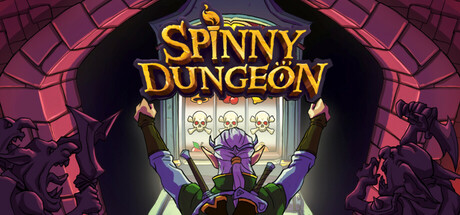
Roguelike deckbuilder with slot mechanics: The game is consistently described as a roguelike deckbuilder that merges slot machine randomness with deckbuilding strategy. Players spin a reel filled with symbols representing attacks, resources, and abilities, and the reel becomes a customized deck over time.
Resource management of health, mana, food: The game features resource management involving health, mana, and food (or satiety). Mana is used to cast spells, food is consumed with each spin, and lacking food or mana has negative consequences.
Slot machine and symbol interactions: The game uses a slot machine mechanic where players spin a reel with symbols that have various effects. Symbols interact with each other, and players can collect new symbols and remove unwanted ones, creating synergies.
Build archetypes and synergies: The game offers many build archetypes and synergies through relics, trinkets, and symbol combinations. Players are encouraged to focus on combos rather than having too many different objects.
Enemy advancement and combat: Enemies appear on the right and advance one section per spin, creating pressure. When an enemy reaches the left edge, the character takes damage each spin until the threat is removed. The goal is to defeat bosses and reach the last boss.
No controller support: The lack of controller support is a significant issue for players who prefer using gamepads, limiting their control options.
Runs smoothly on Steam Deck: The game performs well on the Steam Deck, providing a smooth experience without excessive battery drain, which is a positive aspect for portable play.
Recommendations
Game is recommended overall: Multiple reviewers recommend the game, with some giving strong endorsements. The general sentiment is positive, with several calling it highly recommended.
Best for genre fans: The game is recommended for fans of specific genres like rogue-likes, deck-builders, and dungeon crawlers. It may not appeal to everyone, but genre enthusiasts will enjoy it.
Good for casual players: The game is recommended for those looking for a relaxing experience or a light challenge. It's suitable for players who want to unwind from more serious roguelikes.
Buy on sale: Several reviewers suggest waiting for a sale before purchasing, indicating the game is a better value at a discounted price. This is a common recommendation for indie games.
Try the demo first: The demo is still available, and reviewers suggest trying it before buying. This is a low-risk way to see if the game suits your taste.
Buying context
Community fair range: $9.99 - $12.99.
Game completion: 13.0h.
Session length: 0.7h.
The game is immediately fun and addictive, with a learning curve that requires patience but does not delay enjoyment.
Friction: Learning curve demands patience; Lack of clear guidance upfront.
Player profiles
Roguelike Replayability Seeker: Strategic and optimizing, balancing resources and experimenting with different character builds. Motivation: Long-term progression, unlocking all content, and mastering deep strategic systems. Stance: buy.
Casual Chill Player: Casual, often on Steam Deck, playing in short bursts without heavy optimization. Motivation: Relaxation, casual fun, and easy pick-up-and-play sessions. Stance: buy.
Mechanics Analyst: Analytical, paying close attention to UI feedback and system interactions, often experimenting with trinkets and symbol upgrades. Motivation: Understanding and optimizing game mechanics, testing interactions, and improving efficiency. Stance: buy.
Other review notes
Frequently compared to Luck be a Landlord: Many reviewers compare the game to Luck be a Landlord, describing it as a medieval or fantasy-themed edition with added mechanics and tweaks. Some find it more fun, while others note it feels shallower or has less variety.
Content lasts 18-35 hours: Reviewers report varying playtimes, with estimates ranging from 18 to 35 hours of content. One reviewer suggests at least 20 hours before the game becomes stale, while another notes completing it with all heroes takes a couple of hours.
Developed by Typing Monkey: The game is developed and published by Typing Monkey, a developer described as talented. The developer communicated about personal problems causing delays before release.
Limited updates since release: The game has received only a fast animation update since its April release, which may concern players looking for ongoing support. Reviewers are excited to see what updates are to come.
Provides 'one more run' urge: The game is compared to other roguelites regarding the 'one more run' urge, indicating it has strong replayability and addictive qualities.