- Art style praised
- Refreshing unique roguelike
- Many secrets discovered
- Gameplay becomes repetitive over time
- RNG heavily influences outcomes
- Missing mid-run save feature
Emotions
Archetypes
Hardware
What players like:
Common complaints:
Gameplay feedback:
Performance notes:
Recommendations:
Other player notes:
Similar games
Blend with other games




Review evidence
Why players say this
Review evidence
Why players say this
Steam review verdict
Praised for its art style and refreshing roguelike secrets, but becomes repetitive with heavy RNG and lacks a mid-run save.
What players like
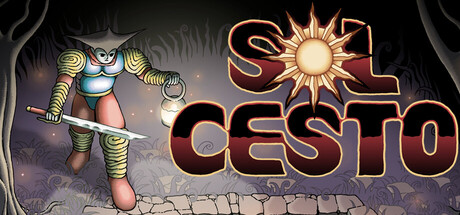
Art style praised: Many reviewers highlight the game's unique, polished, and charming art style. It is often described as distinctive and visually appealing, significantly elevating the game's presentation.
Refreshing unique roguelike: The game is seen as a fresh, original take on the roguelike genre, with unique mechanics and style. Reviewers appreciate its distinct atmosphere and how it stands out from other games.
Many secrets discovered: A significant highlight is the abundance of hidden interactions and secrets to find. Players enjoy exploring and uncovering these mysteries, adding depth and replayability.
Game is incredible: Players overall find the game fantastic, charming, and addictive. The positive reception spans various aspects, calling it a work of art and a unique experience.
Interesting creative gameplay: Gameplay is consistently noted as fun, unique, and engaging. Players find it novel and immersive, with many appreciating the creative mechanics that hook them early on.
Common complaints
Gameplay becomes repetitive over time: Multiple reviews indicate that the core gameplay loop becomes repetitive, with repeated bosses and enemies in every run, especially in the late game. This repetition harms replayability, a key aspect of roguelikes.
RNG heavily influences outcomes: A significant portion of feedback criticizes the game's heavy reliance on randomness, stating that luck, rather than skill, often determines success. This can lead to frustrating runs and perceived imbalance.
Missing mid-run save feature: Players frequently mention the inability to save and quit during a run, which is problematic because runs can last from 20 minutes to over an hour. This lack of a save feature prevents players from pausing and resuming sessions conveniently.
Bugs and stability issues: Reports of minor to significant bugs, crashes, and stuttering are common, with some bugs potentially ruining runs. Stability issues detract from the overall experience, especially if they occur frequently.
Content volume is lacking: The game is perceived as having limited content compared to other games in the genre, leading to early repetition and reduced long-term interest. This is especially critical for a roguelike where replayability is essential.
Gameplay and performance
Roguelike with probability mechanics: The game is consistently described as a roguelike or roguelite that centers on probability and risk management. Players must make calculated decisions while dealing with random outcomes, often in a dungeon-crawling setting.
Gameplay heavily relies on luck: The game's core mechanics are driven by randomness, with many reviews noting that outcomes are heavily influenced by chance. However, players can manipulate luck through builds and strategy, blending skill with RNG.
Multiple characters with unique playstyles: The game offers a variety of characters, each with distinct abilities, stats, and strategies. This provides replayability and allows players to approach the game in different ways.
Progression and unlock systems: The game features permanent upgrades, unlockable characters, and a meta-progression system that makes subsequent runs easier. This provides a sense of growth and long-term goals.
Hidden secrets and interactions: Players can discover hidden items, interactions, and puzzles throughout the game. These secrets add depth and encourage experimentation, rewarding curious players.
Frequent crashes and instability: Multiple players report the game crashing, glitching, or becoming unresponsive during play. These issues occur across different systems and affect overall stability.
Good on low-end and Steam Deck: Some players report that the game runs well on low-end PCs and on Steam Deck, with no crashes or issues even after extended play.
Alt-tab creates phantom windows: Several users note that minimizing or alt-tabbing out of the game spawns extra invisible or phantom windows, which can clutter the desktop and disrupt gameplay.
Steam Deck has specific issues: On Steam Deck, some users encounter a blank white screen during the opening cutscene, though the game is playable afterward. Another user notes slowdown with the Wizard's sun ability.
Missing display settings: There is no option to adjust resolution or frame rate cap, limiting player control over performance.
Recommendations
Strongly recommended overall: Multiple reviewers highly recommend the game and advise purchasing it. The praise is consistent and enthusiastic across various contexts.
Great for roguelike fans: The game is strongly recommended for fans of roguelikes, roguelites, deck builders, and dungeon crawlers. Reviewers note it appeals even to those who usually don't enjoy the genre.
Worth the price: Many reviewers agree the game offers good value for its cost, with several saying it is absolutely worth the asking price. This positive value assessment is a common theme.
Enjoy luck-based gameplay: Reviewers highlight that the game is suited for players who enjoy chance-based mechanics and randomness, common in roguelikes. The luck aspect is seen as a positive feature for the right audience.
Try it if interested: When the concept catches your attention, reviewers encourage giving it a try, even if you're unsure. The game may click with certain players, so a trial is recommended.
Buying context
Community fair range: $8.00 - $12.00.
Game completion: 24.3h.
Story completion: 9.0h.
Sol Cesto's fun typically clicks after the first couple of hours once players unlock enough meta-progression upgrades and learn the game's hidden mechanics, though the early game is often described as tedious and grindy.
Friction: tedious early progression; slow meta-progression; RNG-heavy gameplay; repetitive beginning; high early difficulty.
Unlock drivers: meta-progression upgrades; unlocking new characters and teeth; learning hidden interactions; understanding game mechanics.
Player profiles
Aesthetic-Weary Grinder: They attempt to progress through runs but are hindered by slow unlocks and punishing RNG, often feeling forced to grind rather than enjoy strategic decisions. Motivation: Appreciating the art style and soundtrack, but seeking satisfying gameplay progression. Stance: no buy.
Secret-Seeking Explorer: They experiment with different characters and builds, look for secret interactions, and enjoy the puzzle-like decision-making in each run. Motivation: Uncovering secrets and mastering the game's hidden mechanics. Stance: buy.
Chill Session Gamer: They play in short bursts, focusing on quick decisions and enjoying the immediate feedback loop without obsessing over meta-progression. Motivation: Relaxation and time-passing with a lightweight, addictive game. Stance: buy.
Platform notes
Higher-end Windows and Steam Deck users report mostly positive performance, while low-VRAM Windows players experience frequent crashes.
Windows <8GB VRAM: negative. Frequent crashes and instability reported across multiple reviews, with several non-recommendations citing game-breaking issues.
Windows 12-15GB VRAM: positive. All sampled reviews are positive, with no performance complaints and good Steam Deck playability mentioned.
Windows 16GB+ VRAM: mixed. Evidence is mixed: one review reports no crashes but a soft-lock, another reports immediate crash upon character selection.
Steam Deck: The game shows significant friction on Steam Deck due to lack of controller support, stability bugs (crashes, blank screens), and Linux version inconsistencies. Performance issues like stuttering and broken touchscreen further degrade the experience. However, positive reports indicate it can be playable with adjustments, and developer responsiveness has improved aspects.
Linux and Proton: The game has a native Linux build that was initially neglected but later updated. While some users experienced performance issues and specific bugs like broken achievements and Steam Cloud sync problems, most issues have been resolved through developer patches or by using Proton. Overall, the game is playable on Linux with minor tweaks.
Extra review signals
Monetization: The user reviews do not contain evidence of predatory microtransactions, pay-to-win mechanics, or real-money gambling. The only monetization-related mention is a complaint about the price of a traditional DLC expansion, which is standard optional content and not considered predatory. The game appears to be a one-time purchase with no in-game shop or aggressive monetization.
External guides: The most frequent complaint is the alt-tab window duplication bug, but the presence of explicit mentions about needing the wiki for meta-puzzles and a request for an in-game encyclopedia places the primary issue in Tier 3 (The Student), resulting in a score of 50.
Other review notes
Excellent value for price: Many reviews highlight the game's low cost relative to its quality, with some mentioning sales and budget pricing. The game is often described as worth its price and even more.
Rich content and replayability: The game offers a large amount of content, including secrets, multiple endings, and meta-progression. Reviews compare its replayability to Slay the Spire, with over 30 hours possible for full completion.
Unique and appealing art style: The art direction is repeatedly praised as a major draw, described as unique, cohesive, and peculiar. Several reviewers specifically compare it to Felix Colgrave's work, particularly 'Double King'.
20-hour playtime length: Many reviews estimate the game takes around 20 hours to complete, with some noting it can be finished in 10-15 hours. This length is often cited as ideal for the game's content.
Favorable comparisons to Balatro: Multiple reviewers compare the game to Balatro, noting it scratches a similar risk-taking itch. It is also compared favorably to other popular roguelikes like Slay the Spire and Inscryption.