- Masterful deck-building mechanics with depth
- Highly accessible yet deeply strategic gameplay
- Four distinct characters with unique playstyles
- Well-balanced difficulty and progression system
- Repetitive content with limited variety
- High difficulty and RNG reliance frustrates
Emotions
What players like:
Common complaints:
Gameplay feedback:
Performance notes:
Recommendations:
Other player notes:
Similar games
Blend with other games






Review evidence
Why players say this
Review evidence
Why players say this
What players like
Unmatched replayability and depth: Players consistently highlight the game's ability to remain engaging and fresh even after hundreds or thousands of hours of playtime. The combination of randomness, strategic depth, and varied gameplay mechanics ensures that no two runs feel identical, contributing to its long-term appeal.
Masterful deck-building mechanics: The game is praised for its deep and satisfying deck-building system, which allows for diverse strategies, synergies, and creative problem-solving. Players enjoy experimenting with card combinations, relics, and character-specific mechanics to create unique and powerful builds.
Highly accessible yet deeply strategic: The game is easy to pick up and learn, with a smooth onboarding process and intuitive mechanics. However, it also offers a high skill ceiling, encouraging players to experiment, adapt, and master advanced strategies over time.
Well-balanced difficulty and progression: The game's difficulty is praised for being challenging yet fair, with a well-structured progression system (e.g., Ascension levels) that scales appropriately. Players feel rewarded for improving their skills and overcoming tougher challenges, such as elite enemies and final bosses.
Genre-defining roguelike experience: The game is credited with popularizing and perfecting the roguelike deck-building genre. Its blend of procedural generation, strategic depth, and replayability has set a benchmark for similar games, earning it widespread acclaim as a genre masterpiece.
Common complaints
High difficulty and RNG reliance: The game is frequently criticized for its punishing difficulty, especially at higher ascension levels, and its heavy reliance on RNG (randomness) for card drops, relics, enemy actions, and map layout. This creates frustration, as players feel progress is often dictated by luck rather than skill, leading to unwinnable scenarios and a lack of accomplishment even after victories.
Repetitive and limited content: The game's core mechanics and enemy variety become repetitive over time, with only three floors and a final boss. Players feel progress stagnates after the first 15 hours, and the lack of permanent upgrades or meaningful story elements reduces long-term replayability.
Basic and unappealing visuals: The game's graphics, animations, and art style are described as simple, unappealing, and reminiscent of low-budget mobile games. While functional, they fail to stand out or enhance immersion, which may deter players seeking a visually engaging experience.
Steep learning curve for beginners: New players struggle with the game's lack of tutorials, confusing mechanics, and frequent early losses. The initial difficulty spike and absence of guidance can overwhelm players, leading to prolonged frustration before they adapt to the game's demands.
Unbalanced characters and bosses: Certain characters (e.g., Watcher, Defect, Ironclad) and bosses (e.g., The Heart) are criticized for being overpowered, underpowered, or poorly designed. These imbalances create inconsistent experiences, where some runs feel unfairly difficult or unsatisfying due to character-specific mechanics.
Gameplay and performance
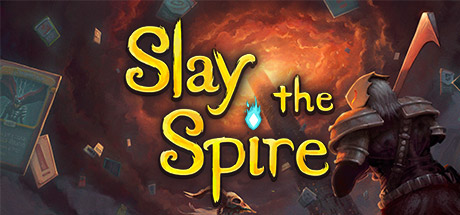
Four distinct characters with unique playstyles: The game features four base characters (Ironclad, Silent, Defect, Watcher), each with 75+ unique cards and mechanics. Players must tailor strategies to each character's strengths (e.g., Ironclad's brute force, Silent's poison/discard loops, Watcher's stances), adding significant variety and replayability. Unlockable characters and mods further expand this diversity.
Core deck-building roguelike mechanics: The game is fundamentally a roguelike deck-builder where players construct and optimize decks through randomized card selections, relics, and strategic decision-making. This core mechanic is emphasized across nearly all reviews, with players highlighting the need to adapt strategies based on available cards, synergies, and pathing choices. The blend of roguelike progression (permadeath, procedural generation) with deck-building creates a unique and replayable experience.
Relics and synergies as game-changers: Relics provide passive bonuses or unique effects that can drastically alter gameplay (e.g., healing, damage nullification, deck manipulation). Early-run relics often determine a run's success, while card synergies (e.g., infinite energy combos, defensive loops) enable creative and powerful strategies. The sheer number of relics (179+) and interactions encourages experimentation.
Procedural generation and RNG balance: Randomly generated maps, card draws, events, and enemy encounters ensure no two runs are identical. While RNG introduces unpredictability, player decisions (e.g., card selection, pathing) heavily influence outcomes. The game uses pseudo-random seeds to maintain consistency within runs, mitigating frustration while preserving replayability.
Ascension system for scalable difficulty: The game's 20 Ascension levels introduce progressive challenges (e.g., stronger enemies, reduced healing, additional curses) to test mastery. This system caters to both casual and hardcore players, with higher levels requiring optimized strategies and near-flawless execution. The 'punished until you make it' progression style is a defining feature of the game's difficulty curve.
Optimized performance and low requirements: Players consistently highlight the game's low system requirements and smooth performance across platforms. The feedback emphasizes responsiveness, minimal loading times during gameplay, and accessibility for lower-end hardware. This is a strong positive aspect of the game.
Slow startup and loading times: Multiple players report slow startup times and occasional long loading screens when launching the game. This issue impacts the initial user experience but does not appear to affect in-game performance.
Display settings issues in borderless fullscreen: A specific technical issue is noted with the borderless fullscreen mode, suggesting a potential bug or lack of optimization in display settings. This feedback is limited in scope but may affect players using this mode.
Recommendations
Highly recommended for genre fans: The game is overwhelmingly recommended for fans of roguelikes, deck-building games, strategy, and card-based combat. Players highlight its depth, replayability, and accessibility for both veterans and newcomers to the genre. The feedback is specific, constructive, and frequent, emphasizing its strengths in strategic gameplay and co-op potential.
Addictive and time-consuming: Many players describe the game as highly addictive, with some noting it consumes significant time. While this is a positive for engagement, it may also be a drawback for players seeking shorter or more casual experiences. The feedback is consistent and specific, often tied to long play sessions or repeated replays.
Mixed feelings on learning curve: Some players praise the game's easy-to-learn but hard-to-master design, while others criticize its steep learning curve, particularly for newcomers. This feedback is constructive but reflects subjective experiences, making it less universally actionable.
Strong sequel anticipation: Players frequently express excitement for the sequel, often mentioning *Slay the Spire 2* or hoping the developers maintain the game's core strengths. This reflects high satisfaction with the current game and eagerness for future content, though it is not directly actionable for the current title.
Best value on sale: Many reviewers recommend purchasing the game on sale, citing its high replayability and value for money. Some suggest it may not be worth full price for all players, particularly those less invested in the genre. This feedback is specific and tied to perceived value.
Other review notes
Multiplatform accessibility: Players appreciate the game's availability on multiple platforms (PC, mobile, Switch, etc.), low system requirements, and support for various input methods (mouse/controller). This accessibility broadens its appeal and allows for flexible playstyles.
Minimal narrative depth: Several players express disappointment with the game's lack of story and world-building, noting it may not satisfy those seeking narrative depth. However, this is often overshadowed by the game's strong gameplay mechanics.
Modding and customization: Players mention using mods to alter difficulty, add animations, or adjust gameplay mechanics. Modding is seen as a way to extend the game's longevity and tailor the experience to individual preferences.
Low-quality feedback on niche appeal: Some feedback suggests the game is niche and may not appeal to everyone, particularly those who dislike roguelikes or card games. This point is based on limited or low-specificity feedback and should be interpreted cautiously.
RNG as a double-edged sword: Players acknowledge that the game's reliance on randomness (RNG) can be both a pro and a con. While it adds replayability and excitement, it can also feel like a slot machine, leading to frustration when strategy is undermined by bad luck.