- Charming pixel art style
- Beginner-friendly and easy to learn
- Addictive card roguelite gameplay
- Content scarcity across game
- Defense useless due to piercing
- Wait for sale
Emotions
Archetypes
What players like:
Common complaints:
Gameplay feedback:
Performance notes:
Recommendations:
Other player notes:
Similar games
Blend with other games


Review evidence
Why players say this
Review evidence
Why players say this
Steam review verdict
Charming pixel art and an easy-to-learn, addictive card roguelite loop make it fun, but scarce content and useless defense against piercing attacks mean waiting for a sale.
What players like
Universally Fun and Enjoyable: Players widely agree the game is fun and enjoyable across multiple contexts, from casual play to repeated sessions. Clusters highlight it as a solid choice for passing time or short bursts.
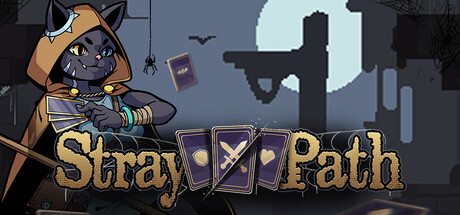
Charming Pixel Art Style: The artwork, particularly the pixel art, is frequently praised for being beautiful, appealing, and charming. Many reviewers highlight the cute characters and overall visual quality.
Beginner-Friendly and Easy to Learn: Reviewers consistently note the game is easy to pick up and understand, making it accessible for newcomers. Some mention it's easy to learn but hard to master, adding depth.
Addictive Card Roguelite Gameplay: The card-based roguelite mechanics are described as addictive, satisfying, and full of strong ideas. Players find the gameplay loop compelling and worth revisiting.
Engaging Core Gameplay Loop: The core gameplay is frequently described as amazing, interesting, and overall excellent. Players find the fundamental mechanics highly engaging and well-executed.
Common complaints
Content scarcity across game: Many reviewers report the game lacks content, both in early access and full release. The amount of new material becomes minimal after one hour, making the overall experience feel insufficient.
Defense rendered useless by piercing: Many enemies, especially later ones, have attacks that ignore defense, making the defense stat meaningless. This design issue invalidates defensive builds and creates imbalance.
Characters lack distinctiveness: Characters are often described as having little personality, few distinguishing features, and being nearly identical to each other. This lack of differentiation reduces engagement.
Overpriced for amount of content: Players frequently state the game is not worth the full price or even discounted price due to the limited content and depth. The volume of content feels insufficient considering the price.
Relics feel useless and limited: Many relics are considered useless or not worth using, and the relic pool is small. Some relics have niche effects that rarely trigger, such as healing at very low HP.
Gameplay and performance
Roguelite card game mechanics: Players consistently describe the game as a roguelite card game, with card-based roguelike gameplay and simple roguelike card mechanics. This core identity is reinforced by multiple clusters mentioning relic systems and deckbuilding.
Relic system with upgrades: Relics are a key feature, obtained from boxes and upgradable via rune stones or upgrade altars. Upgraded relics can become permanent and not take a slot, adding strategic depth.
Multiple characters and traits: The game offers multiple playable characters, each with unique effects and talents tied to difficulty progression. Characters can also use other characters' relics.
FreeCell and Solitaire inspiration: The game heavily incorporates FreeCell and Solitaire elements, such as card flipping, dragging, and covering mechanics. Players note the gameplay is based on Patience/FreeCell/Solitaire with roguelike twists.
Difficulty levels and modifiers: Players mention the presence of multiple difficulty levels, including a highest difficulty that affects progression. Difficulty modifiers and challenges are also available.
Frequent crashes: Players report crashes during runs and roughly once every dozen play sessions. This disrupts gameplay and causes frustration.
PC optimization issues: Numerical optimization on PC is not well done, leading to performance problems. This affects the overall gameplay experience.
UI glitches: Armor amount is not visible due to a UI glitch, which can be resolved by reloading the game. This hinders combat awareness.
Damage display errors: Incoming damage is often not correctly displayed, confusing players about their health status. This can lead to unfair deaths.
Enemy card attack bug: A bug prevents attacking certain enemy cards. This blocks progression and forces players to restart.
Recommendations
Wait for sale: Many reviewers suggest waiting for a discount or buying only on sale, as they feel the game is not worth the full price. The general consensus is to purchase at a lower price point.
Not recommended by some: A significant number of reviewers do not recommend the game, citing various reasons such as lack of content, poor UX, or better alternatives. Some explicitly advise against buying it.
Good for casual card roguelike: Reviewers recommend it for players who enjoy card-based roguelikes that are not too difficult and offer a casual experience. It appeals to those seeking accessible gameplay.
Recommended for roguelike fans: Many reviewers recommend the game for fans of roguelikes and roguelites, particularly those new to the genre. It is praised as a good entry point and enjoyable for enthusiasts.
Short content and low replay value: Several reviewers criticize the game for being short, with limited replayability, and not worth the price due to lack of content. Some mention it can be finished in a few hours.
Buying context
Community fair range: $5.00 - $10.00.
Game completion: 2.0h.
Session length: 4.0h.
Endgame: 11.0h.
Players typically find Stray Path fun and addictive immediately, but many report that enjoyment fades after a few hours or runs, once unlocks are exhausted, or when difficulty is raised. The time-to-fun is effectively immediate, with a common later drop into repetition and achievement-gated grind.
Friction: Progress is locked behind Steam achievements.; Progression UI and unlock instructions are unclear.; Character unlocks require consulting the bestiary, which is not explained.; Some item effects are confusing, such as a health trinket causing life loss per attack.; Achievement-gated shards make the gameplay loop feel tedious quickly..
Unlock drivers: Unlocking new characters and items; Completing the short forced tutorial; Learning how cards, relics, and blessings interact; Relic and blessing upgrades at level end.
Player profiles
Roguelike Deckbuilder Veteran: Optimizes builds, challenges high difficulties, and compares mechanics and balance against other deckbuilder roguelikes. Motivation: Find a deckbuilder that matches the depth and balance of top roguelike card games and supports serious build experimentation. Stance: no buy.
Casual Accessible Newcomer: Plays casually, explores systems gradually, uses light deck-building, and focuses on learning what matters rather than optimizing hard. Motivation: Get an accessible, low-stress introduction to card roguelikes and pass the time. Stance: buy.
Value-Conscious Sale Hunter: Waits for discounts, evaluates content-to-price ratio, and plays in short-to-medium sessions when the price feels right. Motivation: Get a worthwhile deal on a small-to-medium roguelike without overpaying for its current content. Stance: deep sale.
Extra review signals
External guides: Audit of the filtered reviews finds no evidence of Tier 1 farming or loot-table dependency and no Tier 2 inventory, valuation, or crafting dependency. The dominant actionable complaint is Tier 3 instructional dependency: players need external achievement guides and clearer explanations of hidden mechanics, item combinations, and system behavior. General balance and unfriendliness remarks are present but secondary. The final score is 50.
Other review notes
Short playtime low replayability: Players report short completion times, often under 10 hours, with little incentive to replay. Some describe it as a roguelite without replayability.
Limited content for price: Many players report that the game offers little content relative to its full price, with core gameplay lasting only a few hours. The amount of content is considered insufficient for the cost.
Frequent Slay the Spire comparisons: The game is often compared to Slay the Spire, sometimes favorably but more often as a lesser alternative. Many note it lacks the depth of similar roguelike deck-builders.
Achievement and unlock system: Achievements are used to unlock characters and relics, but the system is poorly explained and can feel RNG-based. Some achievements require guides to complete.
Little added over demo: The full version adds very little content over the demo, and some players even found the demo to be better. The unlock system was also changed between demo and release, causing confusion.