- Fun and engaging gameplay
- Outstanding pixel art visuals
- Excellent roguelite mode
- Persistent bugs diminish experience
- Weak card balance issues
- Tedious story mode
Emotions
Archetypes
What players like:
Common complaints:
Gameplay feedback:
Performance notes:
Recommendations:
Other player notes:
Similar games
Blend with other games




Review evidence
Why players say this
Review evidence
Why players say this
Steam review verdict
Engaging gameplay, gorgeous pixel art, and an excellent roguelite mode are undermined by persistent bugs, weak card balance, and a tedious story mode.
What players like
Game is fun and engaging: Players consistently describe the game as fun, enjoyable, and addictive, with engaging gameplay and charming characters. The high frequency of these comments indicates strong overall satisfaction.
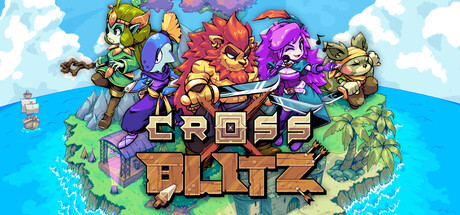
Pixel art is outstanding: Reviewers frequently highlight the beautiful and charming pixel art, often calling it some of the best in gaming. The art style significantly enhances the game's appeal and polish.
Roguelite mode is excellent: The roguelite mode is praised for being deep, content-rich, and fun on its own, with many unlockables and high replayability. It is considered a substantial part of the game, not just an add-on.
Abundant content and variety: The game offers a huge amount of content, including multiple modes, unlockables, and diverse playstyles. Players are impressed by the sheer volume and variety, which enhances replayability.
Top-tier deckbuilding experience: Many players consider this one of the best deckbuilders they have played, praising its depth, style, and solo playability. The deckbuilding mechanics are a core strength of the game.
Common complaints
Persistent bugs diminish experience: Many players report ongoing bugs, including animation glitches, progression blockers, and issues persisting since early access. These bugs reduce overall enjoyment and sometimes lock the game.
Card balance is weak: Card balance is consistently criticized, with poor synergy, shallow depth, and missing key card types. This affects both story and roguelike modes, making balance feel off.
Story mode is tedious: Story mode is time-consuming, boring, and grindy, with a skippable narrative that loses interest quickly. Players find it an exercise in patience rather than enjoyment.
Translation quality is poor: Translation issues persist, including severe mistranslations that make quests unclear and a lack of language options like French. This hinders understanding and immersion.
UI is clunky and slow: The UI is described as uncomfortable, sluggish, and cumbersome, with slow responses and occasional bugs. This makes navigation and interaction frustrating.
Gameplay and performance
Roguelite mode with procedural maps: The game includes a roguelite mode with faster matches, procedural maps, and boss encounters, offering infinite replayability. It is often compared to Slay the Spire and features card and relic choices.
Deckbuilding core gameplay: The game is fundamentally a deckbuilder, requiring players to construct decks with minions, spells, and deathrattle mechanics. It is described as a TCG-esque experience with deck-building as a central element.
Single-player story with five campaigns: The game has a single-player story mode divided into five campaigns, each focusing on a different character or faction. This provides a narrative-driven experience with world exploration and a high proportion of content.
Single-player card battler: The game is a single-player, turn-based card battler with a 4x4 board and RPG elements. It is often described as a story-based card game with a roguelike mode.
Hearthstone-like card mechanics: The gameplay is similar to Hearthstone and Magic: The Gathering, featuring card interactions, synergies, and a mana system. Multi-colored decks and dynamic card possibilities are highlighted.
Frequent freezes and crashes: Multiple reviews report the game freezing or crashing, often requiring forced restarts or device restarts. This occurs across various modes and occasions, indicating a widespread stability issue.
Progressive slowdown over time: Several players experience the game becoming laggier the longer they play, with some attributing it to a memory leak. This requires restarting the game after each session to restore performance.
Slow loading times: Loading times are notably slow, and some players also encounter framerate issues during gameplay. This contributes to a less smooth experience, especially in story mode and after battles.
Performance issues on low-end hardware: The game chugs on low-end computers and has disappointing performance for a graphics-light card game. This suggests optimization problems that affect a range of systems.
Specific freeze triggers: Certain actions, like a flying unit getting blocked, can freeze the game. Also, story mode has pixel crashes that white out the screen, requiring a return to the main menu.
Recommendations
Recommended for card game fans: The game is highly recommended for players who enjoy card games, TCGs, and deckbuilders. It appeals to fans of Hearthstone, Magic, Yu-Gi-Oh, and similar titles.
Game is worth buying: Many reviewers strongly recommend purchasing the game, stating it is worth the full price despite its issues. The game is considered a good value for money and time.
Campaign mode is enjoyable: The single-player campaign is praised for its story and chill experience, with some reviewers recommending it as the main focus. It is considered a must-play for fans of single-player card games.
Technical issues and bugs: Several reviewers mention technical rough edges, bugs, and frustrating mechanics that may affect the experience. Some advise waiting for updates or the official release.
Not recommended by some: A minority of reviewers do not recommend the game, citing issues such as being unfinished, lacking Korean support, or not being suitable for casual players. Some advise against buying at current quality.
Buying context
Community fair range: $10.00 - $15.00.
Story completion: 40.0h.
Session length: 0.7h.
Cross Blitz is fun immediately, with addictive roguelike gameplay and a clear tutorial, though some characters and UI elements introduce friction that can delay full enjoyment for some players.
Friction: mana system takes time to ramp up; some characters start slow; tedious and occasionally buggy UI; excessive clicks for navigation; meta-progression treadmill.
Unlock drivers: eventually a combo or deck clicks; unlocking new archetypes through sidequests; roguelike mode bypasses campaign UI issues; getting cards and doing side quests to unlock archetypes.
Player profiles
Single-Player CCG Enthusiast: Builds collections, crafts decks from the whole collection, plays through story campaigns and roguelite modes at their own pace. Motivation: Enjoying a complete single-player card game experience without competitive pressure or pay-to-win mechanics. Stance: buy.
Roguelite Purist: Focuses on roguelite mode, optimizes deck builds, expects challenging and balanced encounters. Motivation: Seeking deep, varied roguelite runs with meaningful choices and synergies. Stance: no buy.
Casual Newcomer: Plays casually, follows story mode as a tutorial, experiments with decks without worrying about optimization. Motivation: Having fun with an accessible card game without needing deep knowledge or competitive skill. Stance: buy.
Platform notes
Steam Deck: The game is playable on Steam Deck but suffers from two major issues: a complete lack of controller support, which is essential for a handheld device, and a critical black screen bug in roguelike mode that persists across restarts and reinstalls. While the core gameplay is praised and some users play it with mouse, these technical barriers significantly hinder the Steam Deck experience.
Extra review signals
Monetization: The game is a singleplayer one-time purchase with no microtransactions or DLC. User feedback highlights the absence of monetization, with some complaints about the base price. No predatory monetization patterns were found.
Other review notes
Favorable comparison to Hearthstone: Many reviewers compare the game to Hearthstone, often stating it is better or a worthy substitute, especially in its golden age. The game is seen as a close alternative with similar archetypes and depth.
Compared to Slay the Spire: The game is frequently compared to Slay the Spire, particularly for its roguelite mode and progression. Reviewers note it has potential to match or exceed Slay the Spire in this genre.
Compared to other card games: The game is compared to Magic: The Gathering, Yu-Gi-Oh, and other TCGs, highlighting its card combat and genre popularity. These comparisons suggest it fits well within established card game conventions.
Early access transition noted: Reviewers mention the game's journey from early access to version 1.0, with some noting it was in early access for years. This transition is seen as a positive milestone for the game's development.
Compared to Hearthstone modes: The game is compared to Hearthstone's adventure modes, such as Dungeon Runs and Kobolds and Catacombs, as well as other modes like Battlegrounds. These comparisons highlight similarities in gameplay structure.