- Unique civilian war survival perspective
- Deep emotional storytelling and atmosphere
- Realistic portrayal of war’s psychological toll
- Frustrating resource scarcity and management
- Emotionally taxing and depressing tone
- Frequent crashes and technical issues

Emotions
What players like:
Common complaints:
Gameplay feedback:
Performance notes:
Recommendations:
Other player notes:
Similar games
Blend with other games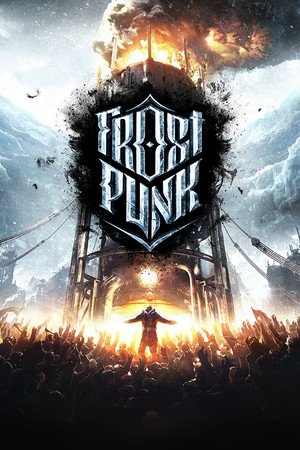

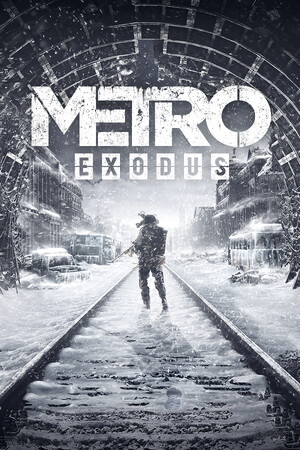




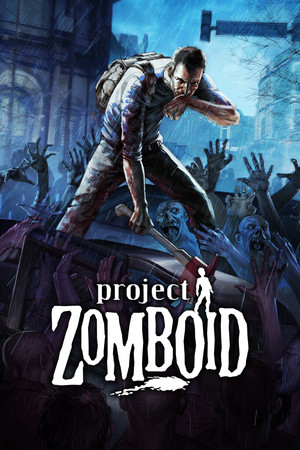


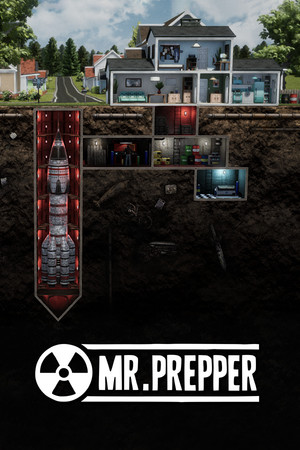
Review evidence
Why players say this
Review evidence
Why players say this
What players like
Unique civilian war survival perspective: The game stands out for its focus on civilians in wartime, shifting the narrative away from combat heroes to ordinary people struggling with survival, morality, and emotional trauma. This perspective is praised for its realism, educational value, and anti-war messaging.
Deep emotional storytelling and atmosphere: The game’s hand-drawn art style, somber soundtrack, and immersive sound design create a bleak yet captivating atmosphere. Players describe the storytelling as emotionally powerful, thought-provoking, and often heartbreaking, with characters feeling deeply human and relatable.
Realistic portrayal of war’s psychological toll: The game is commended for its unflinching depiction of war’s emotional and psychological consequences, including trauma, guilt, and desperation. Players reflect on the game’s ability to evoke empathy and challenge their moral standards.
Comprehensive survival mechanics: The game excels in resource management, shelter building, and character care (e.g., hunger, injuries, morale). These mechanics are praised for their depth, realism, and integration with the narrative, offering a challenging yet rewarding survival experience.
High replayability from dynamic scenarios: Procedural events, diverse character traits, and multiple endings ensure each playthrough feels unique. Players appreciate the variety in scenarios, outcomes, and moral dilemmas, which encourage experimentation and repeated engagement.
Common complaints
Frustrating resource scarcity and management: Resource scarcity, limited inventory space, and repetitive resource grinding make survival difficult and tedious. Players often feel overwhelmed by constant resource management.
Emotionally taxing and depressing tone: The game’s dark themes, moral dilemmas, and frequent character deaths or depressions create an emotionally draining experience. Some players find it psychologically difficult to engage with.
Unbalanced and illogical crafting: Crafting is time-consuming and often illogical, with limitations like no backpacks despite advanced crafting. Some resources are too easy to obtain, undermining scarcity.
Unrealistic and restrictive morality system: The morality system is criticized for being overly rigid, punishing players for self-defense, and lacking depth. Characters often react irrationally to minor actions, disrupting immersion.
High difficulty and punishing mechanics: The game is criticized for its extreme difficulty, harsh consequences for mistakes, and lack of difficulty settings. Early injuries or illnesses are particularly hard to recover from, leading to frequent restarts.
Gameplay and performance
Survival mechanics with resource scarcity: Core gameplay revolves around managing limited resources (food, medicine, warmth) under war conditions. Players must scavenge, trade, or craft while balancing health, morale, and trauma systems for survivors.
Moral choices drive gameplay: Player decisions significantly impact survivor emotions, story outcomes, and long-term consequences. Choices range from resource allocation to ethical dilemmas (e.g., stealing, killing), with no clear 'right' path, emphasizing survival over morality.
Day-night cycle with distinct activities: Daytime focuses on shelter management (repairs, crafting, cooking), while nighttime involves scavenging or guard duty. This structure creates tension and strategic planning around risk-reward scenarios.
Civilian-focused war survival: The game uniquely centers on civilians in war-torn settings (e.g., Sarajevo), avoiding traditional heroism. Players navigate moral ambiguity, trauma, and the psychological toll of war without combat training.
Stealth and combat mechanics: Combat is brutal and avoidable; stealth (e.g., luring enemies) is often safer. Limited resources and permadeath make direct confrontation a high-risk strategy.
Optimization issues across hardware: While the game runs on low-end hardware, players with mid-to-high-end setups (e.g., Xeon, Quadro P4000 SLI) experience crashes, black screens, and poor performance. Mixed feedback suggests inconsistent optimization.
Low hardware requirements but inconsistent performance: The game runs on basic systems but struggles with FPS drops (20-30 FPS) on low-end hardware. Mid-range PCs perform better, though optimization remains a concern.
Mod compatibility issues: Mods do not function as intended, leading to crashes or gameplay disruptions. This limits customization and replayability for players who rely on mods.
Recommendations
Highly recommended for niche audiences: The game is repeatedly praised for its emotional depth, unique survival mechanics, and thought-provoking narrative, making it ideal for fans of strategy, survival, and morally complex games. However, it is explicitly noted as unsuitable for players seeking light entertainment or fast-paced action.
Emotionally impactful and educational: The game is lauded for its ability to provoke reflection on war, morality, and human resilience. Many players describe it as transformative, recommending it for educational purposes (e.g., teaching wartime history to teens) or for those seeking a deeply human experience.
Best experienced without guides: Players emphasize that avoiding guides or mods preserves the game’s intended emotional impact and enhances immersion. This advice is tied to the game’s design, which prioritizes narrative and moral dilemmas over mechanical complexity.
Steep learning curve and frustrations: While the game’s difficulty is part of its appeal, players caution about its steep learning curve and potential frustrations (e.g., sudden failures, inventory management). Some recommend it only for those willing to endure these challenges for the payoff.
Survivor skills and strategies matter: The game rewards players for mastering core survival mechanics (e.g., cooking, scavenging, trading) and leveraging character backstories. Tactical advice, such as prioritizing the Army Checkpoint or using Moonshine for trading, is frequently shared to ease progression.
Platform notes
Steam Deck: The game suffers from critical technical flaws that severely impact its playability on Steam Deck and PC. The most pressing issues are **frequent crashes and black screens**, which render the game unplayable for many users, often at pivotal moments. **Small, unreadable text** and **poor UI scaling** further degrade accessibility, particularly on handheld devices. While some users report a seamless experience, the prevalence of launch failures and compatibility issues (e.g., requiring Proton Experimental) indicates the game does not meet the 'Seamless' standard. The lack of optimization for modern systems compounds these problems, making the experience frustrating and unreliable.
Extra review signals
Monetization: The monetization strategy of *This War of Mine* is a mixed bag, with aggressive DLC practices clashing against its noble charity initiatives. While the base game is praised for its emotional depth and anti-war messaging, the DLCs are frequently criticized for being repetitive, low-quality, or locked behind paywalls. The most severe issue is the forced DLC purchases for achievement completion, which exploits completionist tendencies. However, the developers' commitment to donating DLC proceeds to charity is a redeeming factor that resonates positively with players, softening the blow of otherwise predatory monetization.
External guides: The feedback reveals a critical tension between the game’s design philosophy (minimalist guidance for immersion) and its playability. The most severe pain points stem from the absence of in-game tutorials and opaque mechanics, forcing players to rely on external guides (TIER 3: Instructional Data) to progress. Technical issues (e.g., alt-tab limitations) further exacerbate frustration. While some players appreciate the organic discovery, the majority report a steep, unintuitive learning curve that detracts from the experience.
Other review notes
Game as therapeutic tool: Players describe the game as a meditative experience that helps manage personal anxiety and offers philosophical reflections on hardship and resilience. Its emotional depth has led to its inclusion in educational and cultural institutions.
Educational and cultural impact: The game is used as teaching material in Polish high schools and featured in the New York Museum of Modern Art's permanent collection. It is also discussed for its historical context, such as ethnic relations in Yugoslavia.
Charitable DLC initiatives: Some DLCs for the game donate proceeds to charity, reflecting a commitment to social causes. This has been highlighted as a positive aspect of the game's community engagement.
Mods address content diversity: Players mention mods, particularly for music, as a solution to perceived lack of diversity in the base game. This suggests a demand for more varied or customizable content.
Technical crashes workaround: Players report using force-closing the program as a workaround to restart the day after crashes. This indicates a recurring technical issue that impacts gameplay experience.