- Extensive modding community and support
- Excellent with friends and multiplayer
- Realistic and immersive simulation
- Multiplayer is buggy and frustrating
- Poor optimization and performance
- Steep learning curve for newcomers
Emotions
Archetypes
Hardware
What players like:
Common complaints:
Gameplay feedback:
Performance notes:
Recommendations:
Other player notes:
Similar games
Blend with other games







Review evidence
Why players say this
Review evidence
Why players say this
Steam review verdict
A realistic, immersive sim with extensive modding and excellent co-op fun, but buggy multiplayer, poor optimization, and a steep learning curve hold it back.
What players like
Extensive modding community and support: A huge variety of mods and a strong modding community greatly enhance replayability. Players highlight the Steam Workshop and the ability to customize the game to their tastes.
Excellent with friends and multiplayer: The game is widely praised for its multiplayer experience, especially when played with friends. Cooperative play enhances the fun and makes the apocalypse more enjoyable.
Realistic and immersive simulation: The game is lauded for its realistic mechanics and deep simulation of a zombie apocalypse. Players appreciate the attention to detail and the immersive, life-like experience it provides.
Best zombie apocalypse game: Many reviewers consider this the best zombie game they have played, often comparing it favorably to other titles like Left 4 Dead 2. Its realism and coherence set it apart in the genre.
Highly addictive and engaging gameplay: Players consistently report that the game is addictive and engaging, often losing track of time while playing. The constant tension and overall appeal keep them coming back for more.
Common complaints
Multiplayer is buggy and frustrating: Players report that multiplayer is plagued with bugs, lag, and instability, making it unplayable and frustrating. The experience is further marred by desynchronization issues and a lack of fun due to problematic player interactions.
Development pace is too slow: Players criticize the slow and infrequent updates, with some noting that builds release every 3-4 years. The glacial development pace is seen as a lack of commitment from the developers.
Steep learning curve for newcomers: The game is difficult to learn at first, with a steep learning curve that can be intimidating for new players. Many find the mechanics hard to grasp initially, requiring significant time investment.
Controls feel clunky and unresponsive: Many players find the controls clunky and not suitable for the game's difficulty, with issues like characters facing wrong directions and hard-to-aim attack cursors. This negatively impacts gameplay.
Gameplay and performance
Zombie survival simulation: The game is a realistic zombie apocalypse survival simulator featuring hordes, stealth, combat, and base building. Players must survive against constant zombie threats in an open-world sandbox.
Permadeath with consequences: The game features permadeath, where character death is permanent and the world may reset. This creates a hardcore, punishing experience where players learn from each death.
Farming and livestock: The game includes farming, livestock management, and animal husbandry. Players can grow crops, raise animals, and manage a farm as part of survival.
Co-op multiplayer: The game supports co-op play with friends, as well as solo play. Multiplayer is a key feature, allowing players to survive together.
In-depth crafting system: The game features a complex crafting system with many skills and progression. Players can craft items, tools, and equipment.
Poor optimization and performance: Multiple clusters report severe performance issues including slideshow-like framerates, lag, stuttering, and crashes. The game is described as extremely poorly optimized, especially compared to Build 41.
Crashes and startup failures: Several clusters highlight frequent crashes, including on startup, during gameplay, and randomly without reason. Some users report the game failing to launch entirely or crashing when using mods.
Driving causes severe lag: Driving through towns or in cars causes significant performance drops, with reports of FPS plummeting from 40-50 to 5, or even 1 frame per minute on medium devices. This is a consistent issue across multiple clusters.
Mixed performance on low-end hardware: Some users report the game runs perfectly on low-end laptops, while others cannot run Build 42 with updated visuals. This suggests inconsistent optimization across different hardware configurations.
Performance degrades over time: The game becomes unplayable after about an hour of play, with performance worsening the longer a player stays on a world. Memory leaks make even 32GB of RAM appear as 4GB.
Recommendations
Not for casual players: The game's high difficulty and punishing mechanics make it unsuitable for casual gamers or those seeking an easy experience. It is recommended only for players who can handle frustration and loss of progress.
Highly recommended overall: Many reviewers give the game a strong recommendation, calling it a GOTY contender and worth buying. The positive reception is widespread across different player types.
Not recommended in current state: Multiple reviewers advise against buying the game until it reaches a stable version and addresses modder feedback. The game is seen as unfinished and not worth the current price.
Worth buying at any price: Reviewers state the game is worth buying whether on sale or at full price, emphasizing its value for money. The content justifies the cost.
Recommended for zombie apocalypse fans: The game is praised as a realistic and gritty zombie apocalypse simulator, appealing to fans of the genre. Reviewers highlight its authenticity and immersive survival elements.
Buying context
Community fair range: $10.00 - $15.00.
Session length: 4.0h.
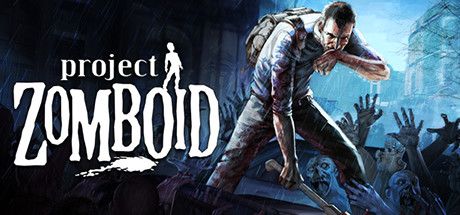
Project Zomboid has a steep learning curve that frustrates new players, but once they learn the core mechanics—often within the first few hours—it becomes a deeply addictive survival experience. Some players find it fun immediately, while others report boredom later, but the majority agree the game clicks after overcoming early friction.
Reported time to anchor: 40m.
Friction: steep learning curve; punishing early game; unhelpful tutorial; complex UI; frequent early deaths; difficult controls.
Unlock drivers: learning the core mechanics; surviving the first few days; playing with friends; using mods; adjusting sandbox settings; watching external tutorials.
Player profiles
Hardcore Survivalist: Methodical, cautious, learning from each death, embracing permadeath and long-term survival planning. Motivation: The thrill of overcoming brutal survival challenges and the immersive realism of the apocalypse. Stance: buy.
Modding Enthusiast: Heavy mod usage, tweaking sandbox settings, experimenting with mods, often playing with large mod lists. Motivation: To customize and expand the game endlessly through mods, fixing gaps and adding new content. Stance: sale.
Social Co-op Player: Co-op multiplayer, roleplay, coordination, often playing on servers with friends, enjoying the chaos. Motivation: To share intense and hilarious survival experiences with friends, creating memorable stories together. Stance: buy.
Platform notes
Performance is largely problematic across most hardware tiers, with frequent crashes, stuttering, and optimization complaints. Only the lower-VRAM/less-RAM cohort shows mostly positive results, while others are dominated by negative reports.
Windows <8GB VRAM / <16GB RAM: negative. Players frequently report crashes, stuttering, and poor optimization, with only a few isolated positive experiences.
Windows <8GB VRAM / 16-31GB RAM: mixed. Some players find the game well optimized, but many others report severe performance problems, crashes, and mod-related instability.
Windows 8-11GB VRAM / 16-31GB RAM: negative. Constant crashes, desync, and system freezes dominate, with even recommended reviews noting FPS drops and stuttering.
Steam Deck: Project Zomboid is marked as Steam Deck Verified, but user feedback reveals significant technical barriers: unreadable UI due to tiny text, broken or inadequate controller support, frequent crashes and instability, and poor performance. While some users report a smooth experience, the majority of evidence points to a broken experience on the Steam Deck.
Linux and Proton: Project Zomboid ships a native Linux client that works well for a large portion of users, with reports of flawless out-of-the-box performance on Arch, Mint, and NixOS, sometimes better than on Windows. However, the Linux experience is far from uniform: persistent memory leaks (unfixed for 4 years), stuttering on Linux/Steam Deck, broken Linux-to-Windows co-op, painful server hosting, and a subset of users requiring heavy workarounds (mods, file tampering, terminal launches) for stability. Minor quirks like VRR flicker, controller issues on Wayland, and a case-sensitivity bug add further friction. Overall, the game is playable on Linux for many, but reliability varies significantly and often demands tinkering.
Extra review signals
Monetization: The game is a one-time purchase with no microtransactions, DLC, or pay-to-win mechanics. User reviews consistently praise the lack of monetization and the free updates provided over the years.
Mod reliance: The game shows a heavy reliance on community mods to address missing basic features, UI/font issues, and performance problems. Frequent updates break mod compatibility, frustrating players. However, there is no widespread consensus on crashes on startup, and some players view mods positively. The game is playable but requires significant modding to be enjoyable.
External guides: The primary complaint is the game's heavy reliance on external resources (wiki, guides) due to a lack of in-game tutorials and complex, opaque mechanics. While there are also significant bug and technical issues, the dominant theme is the need for external data to learn the game systems, classifying this as a Tier 3 (The Student) dependency.
Other review notes
Extensive mod support and community: The game has a large and active modding community, with a Steam Workshop hosting many mods. The game is heavily dependent on mods for content and longevity, with mods adding story, objectives, and essential features.
Long-term early access development: The game has been in development for over a decade, with many reviewers noting it is still in early access or alpha. Development is ongoing, with major updates like B42, but the game is considered a perpetual work-in-progress.
Mods essential for gameplay: The base game relies heavily on community mods to be enjoyable and playable. Mods are needed to keep the game fresh, counteract boredom, and provide essential features that the developers have not yet implemented.
Build 42 update status: Build 42 is a significant update that adds complexity but is currently unstable and opt-in, with no multiplayer support. Some reviewers note it is not finished, while others mention it is now stable in a later patch.
Comparisons to The Sims: Many reviewers compare the game to The Sims, noting similar playstyles but with a darker, more realistic zombie apocalypse setting. The comparison highlights the game's depth in character management and base building.