- High overall game quality
- Multiple endings drive replayability
- Weighty moral choices
- Atmospheric and immersive experience
- Tedious and grindy gameplay
- Excessive difficulty and punishment
Emotions
Archetypes
Hardware
What players like:
Common complaints:
Gameplay feedback:
Performance notes:
Recommendations:
Other player notes:
Similar games
Blend with other games






Review evidence
Why players say this
Review evidence
Why players say this
Steam review verdict
A high-quality, atmospheric game with weighty moral choices and multiple endings that reward replay, though its grindy pacing and excessive difficulty can feel punishing.
What players like
High overall game quality: The game is widely praised as good, fun, engaging, and well-crafted, with many reviewers calling it a great or even excellent experience worth its price.
Multiple endings drive replayability: Numerous different endings and story branches encourage players to replay, as choices and task solutions lead to varied outcomes including secret endings.
Weighty moral choices: The game presents difficult, often gut-wrenching moral dilemmas with no clear right answer, making players think carefully about morality.
Atmospheric and immersive experience: Reviewers consistently praise the game's great, immersive, and somewhat cozy atmosphere, which draws players in.
Engaging narrative and story: The story is the main strength of the game, described as strong, well-crafted, interesting, and enjoyable.
Common complaints
Tedious and grindy gameplay: Many reviewers find the core loop tedious, grindy, and monotonous, especially on repeated attempts. Even easy difficulty feels like a slog and the game becomes boring toward the end.
Excessive difficulty and punishment: Players describe the game as hardcore, punitive, and oppressive, with early stages being especially brutal. Some feel it is unnecessarily difficult and painful at times.
Exhausting without guides: Playing without a guide is exhausting, but watching guides is not fun either. The game is extremely difficult to complete blindly.
Clunky and bad controls: Controls and interface are frequently criticized as clunky, cumbersome, or outright terrible. This friction detracts from the overall experience.
Unclear strategy and guidance: The game fails to communicate what strategy is needed or what players should do. This confusion makes progression frustrating without external help.
Gameplay and performance
Choices shape branching multiple endings: The game features a branching narrative where player decisions determine which of many endings occur, including good, bad, and secret endings. Choices have long-lasting consequences and affect story outcomes.
Spying on tenants under totalitarian regime: Players act as a landlord or building manager who spies on tenants for a totalitarian government, searching apartments, installing cameras, and gathering evidence. This core premise is central to the game's identity.
Difficult moral dilemmas and hard choices: Players face heavy moral decisions such as whether to kill, help someone escape, or report innocent people. These dilemmas force players to weigh personal benefit against the well-being of others.
Player is Carl Stein, building manager: The protagonist is Carl Stein, a government-installed landlord overseeing an apartment building. His role as manager and spy is central to the narrative.
Time-limited tasks create pressure: Many tasks and missions are time-limited, adding tension and requiring players to race against the clock. This time pressure enhances the sense of urgency.
Runs well on low-end hardware: Multiple clusters confirm the game performs smoothly on weaker or older systems, with one reviewer reporting 1500 frames on a laptop. Users describe it as running on a potato PC.
Launch failures on some platforms: Some users reported the game failing to launch, including on Mac, and the EGS version initially would not start until fixed days later. These launch issues appear across different storefronts and platforms.
Minimal bugs and crashes: Reviewers noted very few bugs or crashes and described the game as stable. This suggests generally solid technical quality once it launches successfully.
Hardware strain on laptops: One user reported that the game heats up the laptop and drains the battery quickly despite modest system requirements. This suggests possible optimization issues on portable hardware.
Loud and irregular audio: One user reported loud and irregular volume levels in the game's sound. This audio issue was mentioned only once.
Recommendations
Worth buying on sale: Multiple reviewers recommend purchasing only at a discount, with several stating the game is not worth full price. The value proposition improves significantly during sales.
Strongly recommended overall: Many reviewers give unconditional or generic recommendations, calling the game excellent and worth playing. The sentiment is overwhelmingly positive across multiple clusters.
Great for story and choices: Reviewers highlight the game as ideal for players who enjoy deep narratives, difficult moral dilemmas, and philosophical themes. Strong storytelling and ethical choices are frequently praised.
Not recommended by some: A minority of reviewers explicitly advise against buying the game, stating it is not worth the money and recommending alternatives like Papers, Please instead.
Appeals to dystopia fans: The game is recommended for those who appreciate dark, oppressive atmospheres and dystopian settings. Players who like bleak, meaningful experiences will find it rewarding.
Buying context
Community fair range: $4.99 - $9.99.
Game completion: 6.0h.
Story completion: 5.5h.
Session length: 3.0h.
Endgame: 25.0h.
Beholder's strongest time-to-fun reports show a clicks-after pattern: early confusion, tutorial pain, and money pressure ease once players learn postponement, extortion/framing, or consult a guide. Other players either enjoy the opening and tire of repetition later or never find the loop fun.
Friction: Confusing or incomplete tutorial; Early-game money grind; Punishing autosave with no manual saves; Repetitive intro and quest structure; Timer pressure and harsh failure; Clunky controls for precise sneaking.
Player profiles
Dystopian Choice-Driven Story Seeker: Plays for narrative branches, moral pressure, and atmosphere, often comparing the game to dystopian fiction and choice-heavy titles rather than optimizing every task. Motivation: To experience a dark, choice-driven story and confront ethical dilemmas in a totalitarian setting. Stance: buy.
Frustrated Newcomer: Trial-and-error runs; often restarts, looks for hints, or gets stuck on money, report tasks, and save limitations. Motivation: Curiosity about the game's acclaimed premise, though opaque rules, time pressure, and repeated failure strain that interest. Stance: no buy.
Achievement-Hunting Optimizer: Memorizes contraband, report rules, timing, and routes; uses previous runs and optimized strategies to avoid mistakes and complete all goals. Motivation: Mastering the system, unlocking achievements, and reaching perfect or alternate endings through repeat runs. Stance: buy.
Platform notes
The lower-VRAM/RAM Windows cohort shows mixed technical reports, with high frame rates but missing FPS limits and laptop heat alongside crashes and optimization complaints. The higher-VRAM Windows cohort is positive, with the included report noting no bugs or crashes.
Windows <8GB VRAM / <16GB RAM: mixed. Some users report high frame rates but no FPS cap and laptop heat, while others report loading-screen crashes and poor optimization.
Windows 12-15GB VRAM: positive. The included report is positive, noting no bugs, crashes, or other technical issues.
Steam Deck: Beholder is playable on Steam Deck and several users report stable Linux/Deck performance, including default Proton operation and a 9/10 Deck experience. The dominant Deck friction is control mapping: users describe precision-clicker controls as painful with a controller, report trackpad expectations not working, and say the Verified status does not prepare them for the input scheme. Small text/UI density adds readability strain, and Windows users report severe QQ/Q Shield launch conflicts, but that platform-specific blocker is not mirrored in Deck reports. The Deck score therefore reflects a playable-but-tinkering experience, not a fully seamless Verified game.
Linux and Proton: Linux and Proton feedback is predominantly positive: users report the game is playable with default Proton and that the native Linux port is flawless. The only Linux-specific negative is an isolated achievement-unlock bug that required a Windows replay, but it does not indicate launch failure or gameplay instability on Linux.
Extra review signals
Monetization: The reviews provide no credible evidence of microtransactions, real-money gacha, loot boxes, pay-to-win mechanics, battle passes, or convenience sales. The only paid content discussed is an optional story DLC, along with some complaints about its value and achievements tied to it. These are traditional DLC and pricing issues, not predatory monetization.
External guides: The reviews center on the game's dependence on guides, walkthroughs, and wikis to understand hidden mechanics, quest outcomes, and the path to a good ending. Recurring complaints about weak onboarding, opaque choices, time pressure, and trial-and-error fit Tier 3 instructional data dependency. No review explicitly cites farming drop rates, loot tables, inventory management, crafting requirements, or navigation and bug issues as the primary barrier.
Other review notes
DLC praised as excellent: The DLC, particularly 'Blissful Sleep', is considered by some to be better than the base game and maintains high quality. It expands on character backstories and the game's world.
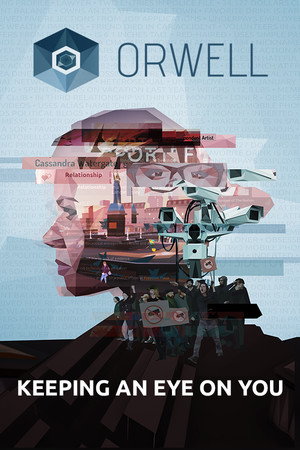
Inspired by Orwell and Bradbury: The game's story and setting are heavily inspired by George Orwell's '1984' and works of Ray Bradbury. Reviewers often note the dystopian literary influences.
Comparisons to Papers, Please: The game is frequently compared to Papers, Please for its difficult moral decisions and dystopian setting. Some reviews draw parallels while noting similarities in gameplay and narrative.
Short completion time: Many reviewers note that the game is relatively short, with some completing it in about a week. The scope is described as small, though atmospheric.
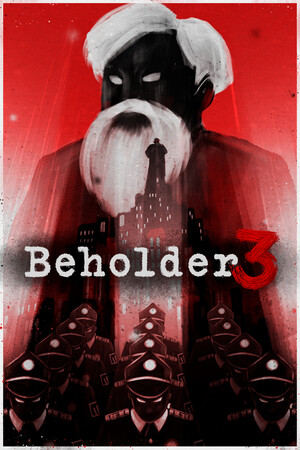
Sequel and series exist: A sequel (part 2) exists, and the series consists of three games. The franchise has multiple installments, including DLC.