- Unmatched immersive atmosphere enhances experience
- Exceptional sound and music design stands out
- Challenging but rewarding gameplay mechanics
- High difficulty and punishing mechanics frustrate players
- Clunky and outdated combat system disappoints
- Slow and tedious gameplay pacing reduces enjoyment
Emotions
What players like:
Common complaints:
Gameplay feedback:
Performance notes:
Recommendations:
Other player notes:
Similar games
Blend with other games







Review evidence
Why players say this
Review evidence
Why players say this
What players like
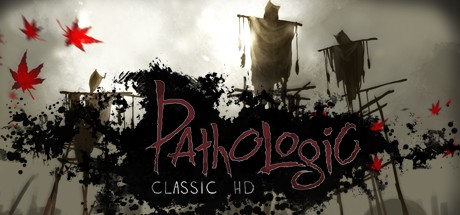
Unmatched immersive atmosphere: The game is frequently praised for its deeply immersive and oppressive atmosphere, enhanced by sound design, world-building, and narrative depth. Players describe it as unique and transformative, often comparing it to literary or cinematic masterpieces.
Exceptional sound and music design: The soundtrack and sound design are frequently praised for enhancing the game’s atmosphere. The music is described as experimental, haunting, and perfectly suited to the game’s tone.
Challenging but rewarding gameplay: While the gameplay is often described as punishing or unintuitive, players appreciate its depth and uniqueness. Survival mechanics, real-time progression, and psychological stress create a memorable and engaging experience.
Cult classic status: Many players regard the game as one of the best or most unique in gaming history, despite its flaws. Its eccentricity, depth, and emotional impact have earned it a dedicated fanbase.
Improved remaster experience: The HD remaster is noted for its improved translation, visuals, and performance, making the game more accessible to modern audiences without compromising its original vision.
Common complaints
High difficulty and punishing mechanics: The game is intentionally difficult, with frequent deaths, unclear mechanics, and unbalanced challenges. Players describe it as frustrating, stressful, and not relaxing, with a steep difficulty curve.
Clunky and outdated combat system: Combat is poorly implemented, with unreliable hit detection, unintuitive controls, and awkward mechanics. Players report missed shots, unrealistic melee damage, and combat feeling like an afterthought.
Slow and tedious gameplay pacing: Players consistently report excessive walking, slow movement speed, and repetitive mechanics like looting and NPC interactions. The game's pacing is described as a chore, with estimates suggesting 70-95% of gameplay involves walking.
Lack of traditional fun: The game is not designed for enjoyment in the traditional sense, with players describing it as a 'walking simulator' or a waste of time. It requires deep engagement with the plot to progress.
Repetitive and monotonous tasks: Daily tasks, side quests, and gameplay loops are repetitive, with excessive backtracking and little variation. Players describe the experience as monotonous and directionless.
Gameplay and performance
Core survival mechanics: The game heavily emphasizes survival mechanics, including hunger, exhaustion, infection, resource scarcity, and permadeath. Players must manage health, immunity, and limited supplies to progress.
Multiple character perspectives: The game offers three distinct playable characters (e.g., Bachelor, Haruspex, Changeling) with unique storylines, abilities, and societal interactions, encouraging multiple playthroughs.
Quest and dialogue-driven progression: Progression is primarily driven by quests and dialogue interactions with NPCs, featuring branching outcomes and unclear objectives. Players spend significant time talking to NPCs and traveling between locations.
Critical time management: Time is a limited resource, with mechanics like time-limited quests, daily tasks, and a 12-day progression system. Players must optimize routes and prioritize actions to avoid failure.
Resource and inventory management: Players must manage food, medicine, weapons, and other supplies, often trading with NPCs or scavenging. Inventory space is limited, requiring strategic decisions about what to carry.
Severe performance and lag issues: Players frequently report lag, stuttering, and poor optimization, particularly on PC. The game is described as unplayably slow or 'buggy,' requiring frequent saving to avoid progress loss.
Save system instability and corruption: The save system is highly unstable, causing instant death on load, corrupted saves, and crashes. While there is no limit on save files, this can exacerbate performance issues.
Compatibility and hardware issues: The game has compatibility problems with modern operating systems and struggles on older hardware, though some players report it runs fine on Windows 7.
Sound-related freezes and issues: The PC version suffers from sound-related freezes, constant audio cutouts, and a lack of sound settings, severely impacting immersion and gameplay.
Poor collision and AI mechanics: Players highlight weak collision detection, poor enemy AI, and flawed combat mechanics, making interactions and battles frustrating or unrealistic.
Recommendations
Narrative and philosophical depth: The game is highly recommended for its deep, existential, and psychological storytelling, appealing to fans of philosophical themes, surrealism, and arthouse experiences. Players emphasize its unmatched narrative and thematic richness, often prioritizing story over gameplay.
Not for conventional players: The game is explicitly not recommended for those seeking immediate fun, traditional gameplay, or fairness. It is best suited for patient players who appreciate art, challenge, and unconventional experiences over conventional enjoyment.
Start with Pathologic 2: New players are strongly advised to begin with *Pathologic 2* (or its remakes) for a more modern and accessible introduction to the series. The original is recommended only after experiencing the sequel or for series veterans.
Unique and transformative experience: The game is praised for offering an unparalleled, immersive, and emotionally impactful experience that stands out in the gaming landscape. It is often described as a cultural and artistic milestone in the immersive sim genre.
Use guides and save frequently: Due to the game’s complexity, players advise using walkthroughs, taking notes, and saving often to navigate its challenges. This mitigates frustration and avoids game-breaking progression issues.
Other review notes
Rich cultural and philosophical depth: Players highlight the game's intellectual value, symbolism, and philosophical influences, often comparing it to a cult classic. Its themes and storytelling inspire deep reflection and even real-life tattoo ideas.
Unique early 20th-century Russian setting: The game is set in a small Russian town or steppe during the early 1900s, which players frequently note for its atmospheric and immersive world-building.
Surreal and theatrical atmosphere: The game is described as a 'living world' with surreal elements, often compared to a theatrical play or illusion, emphasizing its immersive and unconventional storytelling.
Emotional and artistic impact: Players express strong emotional connections to the game, describing it as a work of art that evokes intense feelings and personal attachment despite its flaws.
Dark themes of survival and plague: Recurring themes include plague, survival, intrigue, and the meat industry, which contribute to the game's unsettling and thought-provoking narrative.