- Strong moral and thematic depth enhances experience
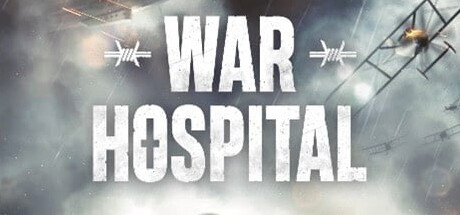
- Unique WWI field hospital setting stands out
- Innovative mechanics offer fresh gameplay
- Unfinished development leaves game abandoned
- Repetitive and monotonous gameplay frustrates players
- Pacing and performance issues disrupt immersion
Emotions
What players like:
Common complaints:
Gameplay feedback:
Performance notes:
Recommendations:
Other player notes:
Similar games
Blend with other games


Review evidence
Why players say this
Review evidence
Why players say this
What players like
Strong moral and thematic depth: The game excels in exploring moral dilemmas and emotional weight, particularly in its portrayal of wartime complexities. Players highlight the thought-provoking nature of its choices and the powerful atmosphere, drawing comparisons to titles like *This War of Mine*.
Unique WWI field hospital setting: The game stands out for its rare focus on managing a WWI military hospital, offering a fresh perspective on war through medical triage and administrative challenges. This theme resonates strongly with fans of management and strategy games.
Innovative and novel mechanics: The game introduces unique systems, such as the triage system and soldier disposition choices, which add depth and variety to the gameplay. These mechanics are highlighted as a key strength of the title.
Immersive atmosphere and audiovisual design: The game’s art style, soundscapes, and music effectively reinforce its gloomy, wartime setting. The atmosphere is frequently described as immersive and dynamic, enhancing the emotional impact of the narrative.
Early chapters are most engaging: The first two chapters are frequently cited as the most enjoyable and challenging parts of the game, with players praising their intensity and narrative impact. Later chapters are seen as slightly less compelling.
Common complaints
Unfinished and abandoned development: The game was released in an incomplete state with lingering bugs, poor optimization, and no ongoing support. Developers ceased updates, leaving players with unresolved technical and gameplay issues.
Repetitive and monotonous gameplay: Gameplay becomes tedious after Chapter 1 due to repetitive mechanics, lack of difficulty progression, and artificial challenges (e.g., resource theft). The late-game feels like a chore with little replayability.
Pacing and performance issues: Slow, unengaging cycles and inconsistent pacing make the game feel stagnant. Severe performance issues (e.g., 1 FPS lag) further disrupt gameplay, especially in later chapters.
Poor UI/UX design: The user interface is unintuitive, cluttered, and lacks critical information (e.g., worker progress, tooltips). Controls are cumbersome, and key mechanics are obscured, creating unnecessary friction.
Inefficient shift and personnel systems: Shift scheduling is illogical, wasting resources and leaving gaps in coverage. Personnel management is frustrating due to shortages, poor recruitment mechanics, and lack of automation.
Gameplay and performance
Resource scarcity and allocation: Players must manage limited medical supplies, staff, and infrastructure under pressure, with decisions directly impacting patient outcomes. Resource pools are often separated (e.g., staff vs. upgrades), adding complexity.
Triage and patient prioritization: A triage system forces players to prioritize patients based on injury severity, with morale consequences for deaths or poor decisions. Surgery scheduling and rehabilitation mechanics further complicate patient management.
Three-chapter campaign structure: The game’s story is divided into three chapters with escalating challenges, including a tutorial. Research and resource progression carries over between chapters, adding replayability and strategic depth.
Shift-based staff management: The game features a detailed shift system for managing hospital personnel, including fatigue tracking, skill proficiency, and 12/24-hour scheduling options. Players must balance staff assignments to maintain efficiency and morale.
Moral and ethical dilemmas: Players face difficult choices, such as releasing terminal patients, allocating scarce supplies, or deciding soldiers’ fates (e.g., return to battle vs. retirement). These decisions affect morale, outcomes, and narrative progression.
UI and interface glitches: Interface bugs, including menu navigation issues, text rendering errors (e.g., Japanese □□□ display), and rehabilitation facility selection problems, hinder usability. Minor UI overlaps are also reported.
AI and unit behavior bugs: AI inconsistencies, such as doctors not working during shifts or units getting stuck, disrupt gameplay. Broken task assignments and vehicle physics issues (e.g., traffic jams) also contribute to frustration.
Frequent crashes and instability: The game crashes frequently, with reports of multiple crashes within short play sessions. Save file corruption and soft-locks further exacerbate instability, forcing players to restart or reload progress.
Positive performance on older systems: A subset of players reports smooth performance on older hardware, with no crashes or technical issues. This highlights optimization successes for specific configurations.
Animation and camera issues: Animation stuttering and camera snapping disrupt immersion, particularly during critical moments. These visual glitches are noticeable and affect gameplay fluidity.
Recommendations
Avoid full-price purchase: Many reviews strongly advise against buying the game at full price due to bugs, lack of polish, and limited content. Discounts of 50% or more are frequently suggested as the only viable purchase option.
Niche appeal for strategy fans: The game is highly recommended for fans of strategy, management, and city-builder games like *Total War*, *Anno 1800*, and *Frostpunk*. Players who enjoy methodical, ethically challenging, or wartime-themed simulations will find it appealing.
Bugs hinder recommendation: Numerous players cite game-breaking bugs, crashes, and technical issues as reasons to avoid the game until major fixes are implemented. Some express willingness to reconsider after updates or patches.
Gameplay improvements needed: Players suggest several mechanical and design improvements, such as better AI logic for patient transport, reduced traffic jams, and more substantive challenges in later chapters. Some criticize forced upgrade choices and unrealistic psychological treatment mechanics.
Strategic tips for easier play: Players share advice like prioritizing warehouse upgrades, hiring engineers, and using amputation to save resources. Some recommend avoiding frontline hospitals or restarting after the tutorial to unlock key features.
Other review notes
Short campaign duration: Players report completing the game in under 30 hours, with some opting to watch the ending on YouTube instead of playing through it. This suggests the main campaign may feel too brief for some audiences.
DLC and studio concerns: Mentions of the Marie Curie DLC and speculation about the studio's financial stability may indicate player anxiety about future content or support.
Discount-driven purchases: Many players only bought the game during a steep discount (e.g., 90% off), indicating hesitation to pay full price. This may reflect perceived value concerns.
Low initial interest: The game remained untouched on wishlists for extended periods before players decided to try it. This suggests weak pre-release hype or visibility issues.
Historical partnerships highlighted: The collaboration with the Imperial War Museum is noted, possibly appealing to players interested in historical accuracy or educational value.