- Exceptional strategic gameplay depth
- Strong multiplayer community engagement
- Large-scale immersive battles experience
- Excessive and overpriced DLC content
- Declining multiplayer population reported
- Performance and optimization issues present
Emotions
What players like:
Common complaints:
Gameplay feedback:
Performance notes:
Recommendations:
Other player notes:
Similar games
Blend with other games




Review evidence
Why players say this
Review evidence
Why players say this
What players like
Exceptional strategic gameplay: Players consistently praise the game's deep and engaging strategic and tactical gameplay, highlighting its challenging scenarios and rewarding mastery. The blend of real-time and turn-based elements, along with historical accuracy, enhances its appeal to strategy enthusiasts.
Strong multiplayer community: The game features a well-designed multiplayer system with competitive and cooperative modes, fostering a dedicated community. Players enjoy the multiplayer experience, especially when playing with friends or in large-scale battles.
Rewarding learning curve: While the game has a steep learning curve, players find it rewarding and enjoyable once mastered. The initial effort to understand the mechanics and build divisions pays off in engaging and satisfying gameplay.
Large-scale immersive battles: The game excels in delivering large-scale, battalion-level battles with dynamic and evolving battle lines. Players appreciate the massive maps, unit variety, and tactical depth, which create a realistic and immersive warfare experience akin to chess.
Extensive unit variety: Players highlight the game's vast array of units, divisions, and customization options, which allow for creative strategies and replayability. The variety of historically accurate units from different nations is particularly praised.
Common complaints
Overpriced and excessive DLCs: Players criticize the high cost of DLCs, which often contain minimal content and feel like a monetization strategy. The base game is perceived as incomplete without these expansions, leading to frustration over cumulative costs exceeding $200.
Declining multiplayer population: The multiplayer community is shrinking, with peak player counts often below 200. This results in long wait times, unbalanced matches, and difficulty finding opponents, making the multiplayer experience frustrating.
Unrealistic tank mechanics: Tank combat suffers from unrealistic penetration, armor, and crew behavior, such as 45mm cannons destroying medium tanks or tanks surviving direct hits. This undermines immersion and balance.
Unpolished unit and combat mechanics: Units suffer from poor pathfinding, unrealistic visibility, and broken combat mechanics (e.g., tanks targeting infantry instead of armor). This leads to chaotic and frustrating gameplay.
Poor game balance and updates: The game exhibits severe balance issues, such as overpowered Axis units or degenerate mechanics (e.g., artillery spam). Developers are accused of neglecting balance in favor of newer projects.
Gameplay and performance
Detailed Unit Customization and Roles: Players manage 8 unit categories (e.g., infantry, tanks, artillery) with faction-specific strengths, deck-building mechanics, and historically accurate divisions. Unit interactions and combined arms tactics are critical for success.
Hybrid RTS/Turn-Based Campaign: The game blends real-time tactical battles with a turn-based strategic campaign map, similar to the *Total War* series. Players alternate between planning on a strategic layer and executing real-time battles, offering depth for both tactical and operational strategy.
Multiplayer Skirmish and Co-Op Modes: Multiplayer features include competitive PvP (1v1 to 10v10) and co-op vs. AI, with modes like skirmish and area control. However, map variety in some modes (e.g., General mode) is limited, impacting replayability.
WW2 Historical Focus with Niche Appeal: The game emphasizes historical accuracy in its WW2 setting, targeting strategy fans and wargame enthusiasts. It includes lesser-represented factions and tactical simulations, distinguishing it from mainstream RTS titles.
Resource and Unit Management Depth: Players must balance limited resources for unit deployment, deck-building, and division customization. Direct unit control is desired but missing, requiring reliance on tactical positioning and micro-management.
Frequent game crashes: Players report consistent crashes, often within minutes of gameplay or during critical moments, leading to desktop returns. This severely disrupts the experience and may indicate stability issues in the game's codebase.
Poor optimization across hardware: General optimization problems are widely reported, including high CPU temperatures (90°C+) and inconsistent performance. While some low-end hardware runs well with adjustments, others struggle with rendering (e.g., grass) or thermal throttling.
Server and connectivity problems: Frequent issues include server connectivity errors, latency spikes, and desync (players appearing in different game states). These problems disrupt multiplayer experiences and may stem from backend or netcode flaws.
Intel graphics compatibility issues: Users with Intel graphics cards experience black screens or missing support, limiting accessibility for players with integrated or older hardware. This suggests a lack of optimization for non-dedicated GPUs.
Excessive game file size: The game's large installation size is a recurring complaint, which may deter players with limited storage or slower download speeds. This could reflect unoptimized assets or bloated content.
Recommendations
Highly recommended for WW2/RTS fans: The game is frequently praised as a must-play for fans of WW2 history, realistic military strategy, and deep tactical gameplay. Many reviews highlight its immersive historical accuracy and long-term value for enthusiasts.
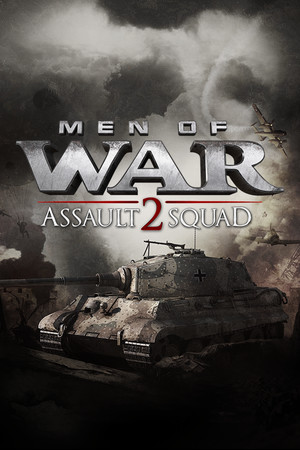
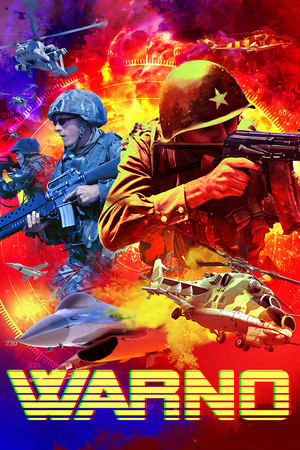
Prefer competing WW2 RTS games: Some players recommend alternatives like *Company of Heroes 2*, *Steel Division 2*, or *WARNO* due to perceived superior balance, mechanics, or developer support.
Conditional or discounted purchase advised: Several reviews recommend buying the game only during sales or with discounts due to its flaws, DLC practices, or balance issues. Some suggest avoiding full-price purchases altogether.
Not recommended for new players: The game is criticized for its steep learning curve, AI issues, and lack of accessibility for newcomers. Many advise researching or watching tutorials before purchasing.
Better with friends or community: The multiplayer experience is enhanced when playing with friends or coordinated groups. Solo play is often described as less enjoyable due to AI limitations or balance issues.
Other review notes
Desire for sequel (SD3) grows: Many players express a strong desire for a new game in the series (Steel Division 3), citing the game's aging content and lack of major updates as reasons for anticipation.
High playtime commitment: A notable number of players report extensive playtime (e.g., 4,000+ hours), reflecting deep engagement and long-term investment in the game.
Tactical advice for beginners: Experienced players share tactical tips, such as leveraging unit voice lines and movement mechanics, to help newcomers improve their gameplay.
Community behavior criticized: Some players mention negative community behavior, particularly referencing 'Wehraboos' (overly nationalistic or historically revisionist players) as a detractor from the experience.
Pirated game initially: A subset of players admitted to pirating the game before purchasing it, suggesting initial hesitation about its value or accessibility.