- Exceptional tactical depth and immersion
- Highly polished and balanced multiplayer
- Dynamic and immersive campaign with diverse factions
- Strong modding support enhances replayability
- Severe balance and gameplay issues persist
- Frustrating RNG and broken matchmaking
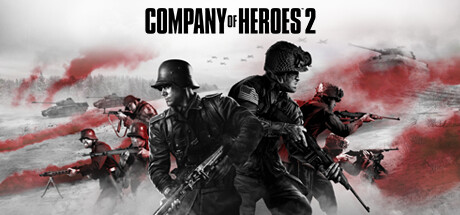
Emotions
What players like:
Common complaints:
Gameplay feedback:
Performance notes:
Recommendations:
Other player notes:
Similar games
Blend with other games




Review evidence
Why players say this
Review evidence
Why players say this
What players like
Exceptional tactical depth and immersion: Players consistently highlight the game's tactical depth, dynamic weather, and immersive sound design. Features like TrueSight, destructible environments, and faction-specific strategies create a rich, engaging experience that stands out in the RTS genre.
Highly polished and balanced multiplayer: The multiplayer is praised for its balance, depth, and active community. Modes like 1v1 and 2v2 are well-balanced, and the game’s competitive scene remains engaging due to faction variety and strategic diversity.
Dynamic and immersive campaign: The campaigns, particularly the Soviet and Ardennes Assault DLC, are lauded for their emotional impact, historical authenticity, and strategic depth. Players appreciate the well-paced storytelling and unique faction perspectives.
Diverse factions and units: Four distinct factions (UK, US, USSR, Germany) offer unique playstyles, units, and strategies. Players appreciate the historical accuracy and variety in unit abilities, which add depth to both single-player and multiplayer.
Superior to predecessors and successors: Many players consider *Company of Heroes 2* the best in the series, citing improved mechanics, graphics, and balance over the first game and *CoH 3*. Its darker tone and historical texture are also highlighted as strengths.
Common complaints
Severe balance and gameplay issues: The game suffers from imbalanced factions, with complaints about overpowered units (e.g., Tiger tanks, MG-42 spam) and unfair mechanics like artillery spam or RNG-based outcomes. Players feel there is no effective counterplay to dominant strategies.
Historical inaccuracies and bias: The game is criticized for its portrayal of the Eastern Front, particularly the Soviet army, as caricatured, stereotypical, and historically inaccurate. Players highlight issues like misrepresented dynamics, unrealistic plot decisions, and a perceived anti-Soviet bias.
Frustrating RNG and matchmaking: Randomness in gameplay (e.g., hit/miss mechanics) and poor matchmaking lead to unfair and frustrating experiences. Players report long wait times, mismatched opponents, and outcomes decided by luck rather than skill.
Excessive monetization and DLC: The game is criticized for its aggressive monetization, including paywalled factions, commanders, and DLCs. Players feel the base game is incomplete, with essential content locked behind additional purchases.
Weak tank and faction mechanics: Tanks are criticized for being weak, easily destroyed, and poorly balanced. Some factions (e.g., German) are perceived as underpowered, with issues like poor accuracy and durability.
Gameplay and performance
Core RTS Tactical Depth: The game emphasizes real-time strategy with deep tactical mechanics, including unit micro-management, terrain utilization, and combined-arms tactics. Players must adapt to dynamic weather and environmental conditions for strategic advantage.
Unit Mechanics and Combat Realism: Units (infantry, tanks, artillery) have realistic mechanics, including suppression, penetration, veterancy, and combined-arms synergy. Tank combat emphasizes positioning, weak spots, and environmental interactions.
Multiplayer and Matchmaking: Supports competitive and cooperative multiplayer modes (1v1 to 4v4), including ranked matchmaking and AI skirmishes. Players highlight the importance of balanced matchmaking and server availability for a smooth experience.
Faction-Specific Strategies: Each faction (e.g., Soviets, Germans, British) has unique units, tech trees, and playstyles. For example, Soviets rely on high-quantity units, while Germans emphasize elite armor. DLCs expand faction variety.
Dynamic Weather and Environment: Weather systems (snow, ice, fog) and destructible terrain significantly impact gameplay, affecting unit movement, visibility, and survival. The ColdTech system adds realism and strategic depth.
Optimization and hardware struggles: The game suffers from poor optimization, requiring hardware upgrades or guides to run smoothly. Performance varies between devices, with issues persisting in large battles or intense scenes.
High refresh rate compatibility: Technical issues arise with 144/240 Hz monitors, including stuttering and display corruption. Players recommend 60 Hz, VSync, or fullscreen as workarounds.
Persistent legacy bugs: Old bugs, such as texture sticking, remain unresolved. Some players report execution issues where parts of the game are impossible to run.
Linux/Proton and VRAM issues: Compatibility problems exist for Linux/Proton users, requiring fixes for sync errors. VRAM requirements differ between *Company of Heroes 2* and *3*, causing confusion.
Recommendations
Recommended for hardcore RTS fans: The game is highly recommended for players who enjoy deep strategy, tactical challenges, and WWII themes. It appeals to fans of realistic and immersive RTS gameplay, particularly those who appreciate historical accuracy and large-scale battles.
Best purchased on sale: Many reviewers suggest buying the game during promotions or sales due to its high cost-performance ratio. This is especially true for players who are unsure about investing full price in the game or its DLCs.
Multiplayer shines, single-player lacks: The game is highly recommended for multiplayer, especially when playing with friends to avoid cheaters. However, the single-player experience is often criticized as less engaging or flawed.
Campaign and scenarios vary in appeal: The Russian Campaign and certain scenarios are recommended for their depth and challenge, while others are criticized for being less engaging. The campaign is enjoyable even without a strong narrative focus.
Gameplay innovations enhance experience: Features like TrueSight and ColdTech are highlighted as standout additions that improve the tactical and immersive aspects of the game. These innovations contribute to its uniqueness in the RTS genre.
Platform notes
Steam Deck: The Steam Deck/Linux experience for this game is plagued by critical stability issues (crashes, black screens) and forced workarounds (Proton, server segregation). While Proton mitigates some problems, the native Linux version is outdated and incompatible with Windows crossplay. Localization policies and UI/UX flaws further degrade the experience. The most severe issues (crashes, anti-cheat segregation) prevent seamless gameplay, warranting a high-friction score.
Extra review signals
Monetization: Company of Heroes 2 exhibits multiple patterns of predatory monetization, including excessive and fragmented DLC, pay-to-win mechanics, deceptive pricing, day-one content locking, and aggressive FOMO tactics. The base game is widely perceived as incomplete, with essential factions, campaigns, and commanders locked behind a paywall. The total cost of all DLC is prohibitively high, and the pricing structure is intentionally confusing, leading to accusations of a cash grab. These practices significantly detract from the user experience and create a sense of exploitation among players.
Other review notes
Nostalgia and long-term ownership: Players express deep personal connections to the game, citing long-term ownership (e.g., 4+ years) and emotional experiences like playing during military service. This highlights the game's lasting appeal and sentimental value.
Third-party key purchases: Mentions of acquiring the game through unofficial channels (e.g., giveaways or resellers) indicate potential issues with pricing, availability, or DRM.
Controversial historical portrayal: Feedback critiques the game's depiction of historical and political events, particularly in Russia, as contentious or divisive. This reflects broader debates about representation in media.
Internet requirement for single-player: Players criticize the mandatory internet connection for offline modes, citing it as an unnecessary barrier to accessibility and gameplay flexibility.
Game discontinuation concerns: Reviews mourn the game's discontinuation, framing it as the 'last glory' of the RTS genre. This underscores fears about the decline of real-time strategy games.