- Unique, immersive, and addictive gameplay experience.
- Captivating art and dark, atmospheric presentation.
- Unique ethical sanatorium management gameplay.
- Riddled with critical, game-breaking bugs.
- Gameplay loop often tedious and slow.
- Broken economy and resource management system.
Emotions
What players like:
Common complaints:
Gameplay feedback:
Performance notes:
Recommendations:
Other player notes:
Similar games
Blend with other games



Review evidence
Why players say this
Review evidence
Why players say this
What players like
Unique, immersive, and addictive: Players consistently praise the game's refreshingly unique concept, atmosphere, and overall execution, finding it highly immersive and captivating. The strong design makes it an addictive experience that offers excellent value.
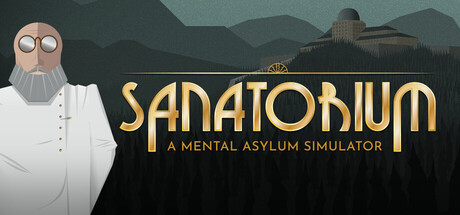
Captivating art and dark atmosphere: The game's distinct art style, particularly its Art Deco aesthetic, is widely admired for perfectly complementing the unsettling and immersive atmosphere. The music also significantly enhances the overall thematic experience, creating a truly unique vibe.
Unique ethical management gameplay: The game uniquely explores the role of a psychiatrist in a historical asylum, offering engaging management mechanics and profound ethical dilemmas. Players enjoy the freedom to make challenging choices, including morally ambiguous ones, which creates both rewarding and hilariously stressful situations.
Engaging story and impactful choices: Players are deeply invested in the game's intriguing narrative, unique characters, and historical setting. The ability to make meaningful choices that carry real weight adds significant depth and immersion to the story.
Challenging, innovative card system: The card-based gameplay is a standout feature, praised for its innovation in the genre, specifically in diagnosing and treating patients. Players appreciate the high level of challenge and strategic thinking required, making it an engaging and addictive system.
Common complaints
Game riddled with critical bugs: Players report numerous severe bugs including freezes, hard locks, save/load issues, and progression blockers in main quests and specific wards. These bugs frequently force restarts, ruin player experience, and make the game unplayable for many, particularly on Steam Deck or with specific language settings.
Gameplay loop is tedious and slow: The core gameplay loop is described as simple, repetitive, dull, and tedious, with an unworkable pace. Players experience slow progression due to limited patient flow and feel the game's design imposes illogical restrictions and unnecessary 'walking simulation' that drags down the experience. The underlying mechanics are often unclear or frustrating, making the game feel underwhelming.
Economy and resource system broken: The game's economic balance is severely flawed, with patients providing insufficient income for expensive, one-time use treatments and tests. Players are forced to waste money buying items blindly before diagnosis, leading to slow progression, repetitive patient encounters, and general frustration over resource scarcity.
Clunky UI and missing options: The user interface is frequently criticized for being clunky, confusing, and requiring excessive clicking and dragging for navigation. Basic accessibility options like UI scaling are missing, and players desire controls to toggle off visual effects like screen grain or skip unskippable sequences such as the long arrest screen.
Diagnosis system is illogical: Players find the diagnosis process confusing and often illogical, especially when linking symptoms on the brain chart. The game punishes incorrect linkages without providing clear feedback or reminders of previously attempted combinations, making experimentation frustrating and progress unclear.
Gameplay and performance
Sanatorium Management & Cards: Players manage a sanatorium using classic mechanics like room building, budget, staff, and patient care. A core element involves card-based diagnosis and treatment of patients, where understanding symptom-treatment effectiveness is crucial for financial success and patient well-being. The game features a daily deck system for these actions.
Mystery & Puzzle-Solving Elements: Beyond management, the game integrates a detective mystery where players, as a journalist, explore the asylum for clues and uncover secrets. This mystery extends to patients and the sanatorium itself, often presented as puzzles requiring investigation and critical thinking.
Daily Loop & External Notes: The game progresses in daily cycles, often involving repeated actions and a 'read and click and solve' style of gameplay. Players have noted that keeping external notes (pen and paper) is essential for tracking information, indicating a detailed and demanding experience. An endless mode is unlocked post-story completion, providing extended replayability.
Morally Ambiguous Treatment Options: The game includes controversial treatment options such as pseudoscience, solitary confinement, lobotomies, and laxatives. This aspect suggests an element of ethical choice or a darker tone to the patient care, allowing players to make impactful, potentially unsettling, decisions.
Star-Based Progression & Penalties: Player performance is tracked via a star system, which unlocks new content like symptom categories in story mode. Failing to heal patients or meet daily medical standards incurs significant penalties, sometimes leading to being removed from the job. A strategic tip from players suggests that taking action, even if wrong, is often better than doing nothing in critical moments.
Ward 1 Day 3 freeze: Players are reporting a specific, critical bug where the game freezes at the end of Ward 1, Day 3. This issue prevents progress, significantly impacting the player's ability to continue the game.
Positive performance noted: One player reported that the game runs well for them, indicating a satisfactory experience regarding general performance. However, this feedback is based on a very limited sample size.
Recommendations
Strongly recommended for genre fans: The game garners strong recommendations from players who enjoy unique simulators, deck-building, mystery, and games similar to Papers, Please or Prison Architect. It's often described as a captivating and disturbing experience with significant potential.
Review game's value proposition: A segment of players believes the game's current content or polish does not justify its price, particularly at full cost, leading to warnings against purchasing. This suggests a need to re-evaluate pricing strategies or enhance game content to meet player expectations.
Address accessibility and control issues: Players are reporting significant issues with basic accessibility options, control schemes, and text layout, causing some to request refunds or stop playing. Addressing these fundamental problems is essential for improving player experience and retention.
Other review notes
Strong Core, High Potential: Players generally enjoy the core gameplay loop of collating information and identifying patterns. Many see significant potential, suggesting the game might benefit from an Early Access phase for further development and refinement.
Missing Quality of Life Features: Key suggestions include adding a "thin ice" indicator for critical game states and faster ways to learn or retain disorder information. Players also desire more control over asylum management and an endless mode for enhanced replayability.
Ethical Premise Divides Players: Some players find the game's core premise, particularly regarding the ethics of treatment and asylum control, questionable. There's an expectation for the game to align more with a specific thematic tone, such as 'Do No Harm'.
Developers Actively Fixing Bugs: Players appreciate that the developers are consistently releasing bug fix patches, demonstrating a commitment to improving game stability and addressing issues post-launch.
Review Integrity Concerns: There is suspicion among some players that a portion of the foreign reviews may be artificial, possibly from bots or paid services. This is a common review bombing tactic, and while not directly about gameplay, it affects player perception of the game's reception.