- Highly enjoyable and fun gameplay experience
- Strong sandbox and creativity features included
- Excellent battle simulation potential demonstrated
- Severe performance and optimization issues present
- Unpolished and low-quality graphics observed
- Poor AI and unit control frustrates players
Emotions
What players like:
Common complaints:
Gameplay feedback:
Performance notes:
Recommendations:
Other player notes:
Similar games
Blend with other games






Review evidence
Why players say this
Review evidence
Why players say this
What players like
Highly enjoyable and fun gameplay: Players consistently describe the game as fun, engaging, and well-made, with many recommending it. The gameplay loop is satisfying and replayable, even in early access.
Strong sandbox and creativity features: The sandbox mode is praised for its creativity, chaos, and potential for custom scenarios. Players enjoy the LEGO-like tinkering and building aspects, making it a standout feature.
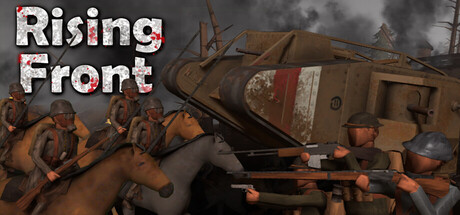
Excellent battle simulation potential: The game is recognized as one of the best WW1/battle simulators, with large-scale battles and a unique mix of FPS and strategy. Players appreciate its historical accuracy and immersive combat.
Strong modding and workshop support: Mods and Steam Workshop content significantly enhance replayability, adding variety and new gameplay elements. The modding community is active and well-supported.
Optimized performance for large battles: The game handles hundreds or thousands of AI units smoothly, even on modest hardware. Players highlight its excellent optimization and low system requirements.
Common complaints
Severe performance and optimization issues: Players report frequent lag, crashes, and poor optimization, especially on low-end PCs. Animations and loading times are described as janky and slow, resembling outdated hardware capabilities.
Unpolished and low-quality graphics: Graphics are criticized for being ugly, dark, and lacking depth, with repetitive textures and Unity asset-like appearances. The visuals contribute to an overall unpolished feel.
Poor AI and unit control: AI is described as stupid, ineffective, and unresponsive to commands. Units ignore orders, block line of fire, and lack survivability, making gameplay frustrating.
Lack of tutorials and unclear gameplay: Players struggle with unclear controls, missing tutorials, and a lack of in-game instructions. This leads to confusion and boredom, especially for new players.
Limited and repetitive content: Players find the game repetitive and boring after a short time due to limited content, lack of variety, and unbalanced scenarios. Replayability is low.
Gameplay and performance
Unit Control and Formations: Players can issue orders to units, including formations (e.g., line, assault) and direct commands. However, some report limitations in formation variety and autonomous unit behavior.
Hybrid FPS/RTS Gameplay: The game blends first-person shooter (FPS) and real-time strategy (RTS) elements, letting players command troops from a tactical map or participate directly in battles. This hybrid approach is a standout feature.
Artillery and Defense Mechanics: Artillery strikes and defensive setups (e.g., machine guns, barbed wire) are central to gameplay, especially in historical scenarios like beach defenses. Players highlight the tactical depth of these systems.
Robust Scenario Creator: The game offers a detailed scenario editor allowing players to customize maps, factions, income, and unit compositions. This feature is praised for enabling community-created content and replayability.
Spawning and Battle Mechanics: The game features dynamic spawning of units and platoons, enabling large-scale battles (e.g., 1000 vs 1000 soldiers). However, some players find spawning mechanics inconsistent.
Performance lag and freezes: Lag is reported during ragdoll-heavy moments, gunfire, and large-scale battles, even on high-end hardware. Some players note improvements by lowering graphics settings.
Frequent game crashes with mods: Players report consistent crashes when using mods, particularly during mod-heavy gameplay, loading screens, or after repeated deployments. Some crashes may also be hardware-related.
Low-end hardware optimization: The game is optimized for lower-end PCs but struggles on very weak hardware like Intel Pentium or Celeron processors, despite advertised low system requirements.
Steam Deck performance variability: The game runs well on Steam Deck with low graphics but crashes occasionally with high graphics settings, indicating inconsistent optimization for the platform.
Long loading times with mods: Players experience extended loading times when using mods, particularly with workshop mods and poor internet connections, impacting gameplay flow.
Recommendations
Highly recommended for replayability: The game is frequently praised for its content depth, sandbox battles, and creativity, making it a strong recommendation for strategy and FPS fans. Many reviewers highlight its value for money and potential for long-term engagement.
Wait for updates or Early Access exit: Many players recommend waiting for quality-of-life improvements, additional content, or the game’s official release before purchasing. This is especially true for those hesitant about its current state.
Comparisons to similar games: Reviewers often compare the game to titles like *Ravenfield*, *TABS*, and *Ultimate Epic Battle Simulator*, positioning it as a unique or complementary experience for fans of those games.
Artillery and combat realism requests: Players frequently request improvements to artillery mechanics, including crew-operated systems, realistic animations, and gore effects. These changes are seen as critical for immersion and tactical depth.
Building and UI limitations: Reviewers note frustrations with construction limits and clunky UI/building interfaces. Improvements in these areas are seen as essential for smoother gameplay.
Other review notes
Early access requires patience: Players frequently mention the game's early access status, noting that it demands patience from the community due to ongoing development and potential instability. This feedback highlights expectations for iterative improvements.
Solo developer limitations: The game is recognized as a solo developer project, which may impact development speed, scope, and resource availability. Players acknowledge the challenges faced by independent creators.
Broad target audience: The game appeals to a wide demographic, including teens, adults, and veterans. This suggests versatile gameplay mechanics or themes that resonate across age groups.
Manageable game size: Players describe the game's size as 'workable,' indicating it strikes a balance between depth and accessibility without being overwhelming or too simplistic.