- Engaging and emotional storytelling captivates players
- Stunning visuals create immersive atmosphere
- Immersive sound and music enhance experience
- Persistent game-breaking bugs frustrate players
- Frequent crashes and performance issues occur
- Severe save system corruption risks progress loss
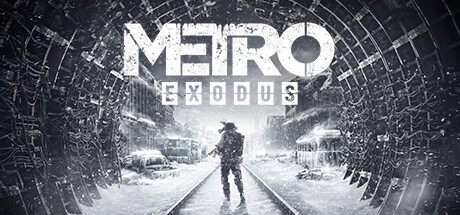
Emotions
What players like:
Common complaints:
Gameplay feedback:
Performance notes:
Recommendations:
Other player notes:
Similar games
Blend with other games






Review evidence
Why players say this
Review evidence
Why players say this
What players like
Engaging and emotional storytelling: The narrative is described as deeply impactful, with well-developed characters, philosophical depth, and memorable moments. Players emphasize the emotional resonance of the story, particularly its themes of hope, survival, and human connection.
Stunning visuals and atmosphere: The game is praised for its meticulously crafted environments, cinematic scenes, and immersive atmosphere. Players highlight the attention to detail in visuals, lighting, and weather effects, which enhance storytelling and emotional engagement.
Immersive sound and music design: Sound design, voice acting, and soundtrack are highlighted for creating tension, enhancing emotional moments, and immersing players in the game’s atmosphere. The audio is described as top-tier and impactful.
Deep crafting and survival systems: Crafting mechanics, resource management, and survival elements (e.g., limited ammo, weapon maintenance) add depth and strategy to gameplay. Players appreciate the tactile and meaningful systems that enhance immersion.
Satisfying gunplay and mechanics: Weapon customization, realistic mechanics (e.g., jamming, degradation), and tactical combat are frequently praised. Players appreciate the weighty and impactful gunplay, as well as the variety of stealth and survival mechanics.
Common complaints
Persistent game-breaking bugs: Numerous technical issues, including camera glitches, crashes, and progression-blocking bugs, remain unpatched years after release. These disrupt gameplay and often require restarting the game or PC.
Silent protagonist breaks immersion: Artyom’s lack of dialogue in cutscenes and interactions feels unnatural and immersion-breaking, undermining emotional moments and character development.
Unintuitive karma system: The moral point system is poorly explained, forcing stealth or non-lethal playthroughs for the 'good' ending. Players often achieve unintended endings due to unclear mechanics.
Flawed stealth mechanics: Stealth feels inconsistent and frustrating, with enemies detecting players through tiny gaps while ignoring them in open areas. NPCs often ruin stealth by attacking unintended targets.
Unbalanced combat and damage: Enemies are bullet sponges, requiring headshots even on easy difficulty, while players die instantly from a few hits. Fall damage is excessively punishing.
Gameplay and performance
Semi-open world exploration: The game features a hybrid design combining linear and open-world elements, with large explorable areas, resource gathering, and environmental storytelling. Players frequently mention semi-open zones like Caspian and Taiga, which offer free exploration but with structured boundaries.
Story-driven narrative focus: The gameplay is heavily centered on a character-driven, emotional narrative with linear progression. Players highlight the immersive storytelling, though some note limited branching paths or narrative choices affecting endings.
Survival crafting and resources: Crafting is integral to survival, allowing players to create ammo, medkits, and upgrades from scavenged materials. Resource management (e.g., gas mask filters, ammunition) adds tension and strategic depth.
Realistic gunplay mechanics: Combat emphasizes brutal, non-arcade gunplay with realistic details like recoil, weapon jamming, and ammo scarcity. Players praise the weighty, tactical feel of firearms and customization options.
Exploration and side content: Exploration is encouraged through side quests, collectibles, and hidden upgrades, though some players find it shallow compared to dedicated open-world games. Map markers and environmental details aid discovery.
Frequent crashes and freezes: Game crashes, freezes, and system lockups are widespread, often requiring hard resets. Issues occur during combat, specific sections, or randomly, making the game unplayable for some.
Performance and optimization issues: Inconsistent performance across hardware, with crashes, FPS drops, and lag on mid-tier PCs. DX12 and raytracing exacerbate instability, while some players report smooth performance on older hardware.
Graphical and texture glitches: Textures flicker, appear blurry, or fail to load properly. Floating assets, clipping bugs, and rendering issues (e.g., NPC glitches) disrupt immersion and gameplay.
Severe save system corruption: Frequent reports of save file corruption, data loss, and game-breaking bugs preventing progression. Players often need to reinstall or restart chapters due to crashes or softlocks.
Gameplay-affecting bugs: Bugs impact core mechanics, including stealth, animations, camera controls, and enemy detection. Some cause softlocks or force restarts, while others (e.g., throwables, gas mask) break progression.
Recommendations
Strong story and emotional depth: Reviewers consistently praise the game’s gripping narrative, character development, and emotional impact. The story is often cited as the primary reason to play, even for those who may not typically enjoy the genre.
Must-play post-apocalyptic FPS: The game is widely recommended for fans of post-apocalyptic settings, narrative-driven experiences, and atmospheric shooters. Many reviewers highlight it as a masterpiece of the genre and a must-play for both series veterans and newcomers.
Technical issues limit recommendations: While the game is praised for its story and atmosphere, many reviewers caution that technical flaws, bugs, and performance issues (especially on weaker hardware) may detract from the experience. Some recommend waiting for a sale or patch.
Recommended for series fans: The game is strongly recommended for fans of the *Metro* series, with many suggesting playing the full trilogy in order. However, some note that changes in gameplay or atmosphere may disappoint those seeking the linear feel of earlier entries.
Best played on sale: Due to technical issues or perceived value, many reviewers suggest purchasing the game only during a sale or at a discounted price. Some argue it is not worth full price, while others believe it is a bargain even at reduced cost.
Other review notes
Achievement reset issue: Players encountered a bug where achievements reset when starting a new game without Plus mode enabled. This technical issue affects progression and completionist experiences.
High playtime engagement: Players reported spending significant time (e.g., 40 hours) in the game, reflecting deep immersion and replayability. This is a strong indicator of the game's ability to retain player interest.
DLC language support barrier: Players reported being unable to access DLC content due to missing Japanese language support, limiting the game's accessibility for non-Japanese speakers.
Game purchased after cracked version: Several players initially tried the game through unofficial copies but later decided to buy the legitimate version, indicating strong engagement and satisfaction. This suggests the game's quality convinced them to support it officially.
Large game storage requirements: The game's size (e.g., 20% of a 1TB drive) is frequently mentioned, highlighting potential accessibility concerns for players with limited storage space.