- Fun and engaging gameplay
- Large character roster
- Challenging roguelike design
- Addictive gameplay loop
- Excessive luck over strategy
- Repetitive gameplay loop

Emotions
Archetypes
Hardware
What players like:
Common complaints:
Gameplay feedback:
Performance notes:
Recommendations:
Other player notes:
Similar games
Blend with other games




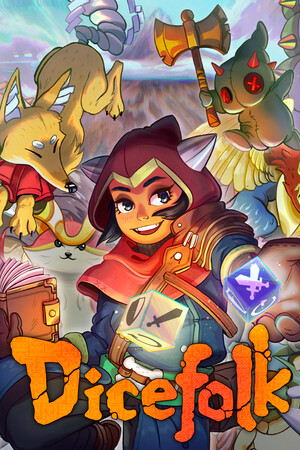
Review evidence
Why players say this
Review evidence
Why players say this
Steam review verdict
Fun, addictive roguelike gameplay with a large roster and challenging design is undermined by a repetitive loop where luck often outweighs strategy.
What players like
Fun and engaging gameplay: Players consistently describe the game as fun, enjoyable, and engaging, often noting it is simple yet addictive. Many mention it is great for passing time and provides many hours of entertainment.
Large character roster: Feedback highlights a wide variety of characters with unique abilities and playstyles. Players appreciate the diversity of heroes, companions, and artifacts available.
Challenging roguelike design: The game is described as a well-designed roguelike with balanced difficulty and engaging combat. Players enjoy the strategic depth and replayability it offers.
Addictive gameplay loop: The core gameplay loop is highly addictive, keeping players hooked for long sessions. Many mention becoming addicted once they understand the mechanics.
Dice-based strategy is fun: The dice mechanics are frequently praised as original, strategic, and enjoyable. Rolling dice and making decisions adds a unique twist that players find genuinely fun.
Common complaints
Excessive Luck Over Strategy: Many players feel the game is heavily luck-based, with outcomes often decided by dice rolls rather than strategic decisions, leading to frustrating randomness.
Repetitive Gameplay Loop: The core gameplay loop is described as repetitive and lacking variety, making the game boring after a few runs.
Balance Issues: The game often feels unfair or unbalanced, with poor stat balancing and inconsistent difficulty.
Steam Deck Controls Unplayable: Reviewers report that the control scheme on Steam Deck is poor, awkward, and sometimes unplayable without holding the device one-handed.
Dice Placement Bugs: Dice frequently fail to snap into slots or disappear, causing lost dice and preventing game progress.
Gameplay and performance
Dice-based roguelike core: The game is fundamentally a roguelike centered on dice mechanics, with runs structured around dice rolls, combat, and progression. This is the most frequently mentioned aspect.
Card and dice hybrid: Gameplay combines cards and dice, where dice are placed into slots on cards to activate effects. This hybrid mechanic is a defining feature.
Multiple unique characters: The game features a roster of characters, each with distinct abilities, playstyles, and strengths. This variety encourages replayability.
Dice mechanics and scoring: Dice rolls involve various scoring combinations such as doubles, odds, and specific faces, and these outcomes heavily influence combat and strategy.
Dice-based combat system: Combat revolves around rolling dice to match enemy dice values or perform attacks, making dice rolls central to battles.
Poor performance and optimization: Players report the game runs heavily and is poorly optimized for a simple 2D game, with lag even on high-end hardware like the GTX 4070. Full GPU usage is also mentioned, indicating inefficient resource use.
Frequent crashes and freezes: The game freezes every 5 seconds and crashes when many dice are present, disrupting gameplay. Crashes are also frequent on Steam Deck, sometimes requiring a force-shutdown.
Steam Deck control issues: Controls on the Steam Deck are described as unplayable or inconvenient, making the game difficult to enjoy on the platform.
Steam Deck UI and menu lag: Menus lag on the Steam Deck, and descriptions often don't fit on the screen, causing usability issues.
Steam Deck verification misleading: The game is not Steam Deck verified despite claiming to be, leading to a poor experience on the device.
Recommendations
Recommended for roguelike fans: Multiple clusters recommend the game to players who enjoy roguelike mechanics, especially those who like dice rolling and card games. Fans of games like Dicey Dungeons are specifically called out as the target audience.
Good value at full price: Several reviewers found the game well worth its asking price, describing it as a bargain and high value for money. This sentiment appears across multiple clusters with explicit price-to-fun comparisons.
Highly recommended overall: Many reviewers give strong overall recommendations, describing the game as great and worth checking out. This positive sentiment is broad and enthusiastic.
Better to buy on sale: Many reviewers recommend purchasing only during a discount, with some specifying a 50-60% off threshold. Even those who like the game often suggest waiting for a sale.
Mixed or conditional recommendations: Several clusters contain lukewarm or conditional recommendations, such as suggesting other games or only playing if nothing else is available. These reflect a lack of strong enthusiasm.
Buying context
Community fair range: $7.00 - $10.00.
Game completion: 16.0h.
Session length: 0.5h.
Endgame: 40.0h.
Players often face a weak tutorial and a tough, confusing opening, but the game tends to click once they understand the dice mechanics and unlock more heroes or combo strategies. Some report immediate addiction, while others later find the loop repetitive.
Friction: Weak or unhelpful tutorial; Early confusion about dice placement and colored slots; Tough opening with first characters; Early RNG and balance swings; Repetitive starting phase; Unclear unlock or progression cues.
Unlock drivers: Understanding the dice mechanics; Unlocking more heroes and combo strategies; Switching to easy or normal mode after learning the mechanics; Unlocking heroes and trinkets to add variety.
Player profiles
Chill Casual Player: Short, casual sessions, often while watching videos or during breaks; not seeking deep strategy. Motivation: Relaxation and de-stressing through simple, low-effort gameplay. Stance: buy.
Roguelike Strategy Enthusiast: Optimizing builds, learning meta strategies, seeking challenging runs. Motivation: Strategic depth and buildcrafting in a roguelike format. Stance: sale.
Dice RNG Thrill-Seeker: Embracing RNG, adapting to rolls, enjoying lucky streaks and chasing better outcomes. Motivation: The thrill and addiction of random dice rolls and gambling-like excitement. Stance: buy.
Platform notes
The Windows <8GB VRAM cohort reports performance dominated by severe lag and frequent freezing. All included reviews are negative and describe the game as difficult to play on this hardware.
Windows <8GB VRAM: negative. Players report extreme lag, frequent freezes, and an overall unplayable experience on this hardware cohort.
Steam Deck: Steam Deck feedback is dominated by severe control and verification problems: the green checkmark is repeatedly called inaccurate, joypad controls are described as broken, and touchscreen/trackpad workarounds are common. There are also reports of frequent crashes, black-screen launch failures, and text/UI overflow that make reading item descriptions difficult. Performance and battery life are often praised, but the game is not reliably playable out of the box.
Linux and Proton: The available feedback contains only positive Linux compatibility signals. Users report that the game works on Linux, including on weak integrated Intel hardware, and one review confirms multi-platform availability including Linux. There is no evidence of Proton tweaking requirements, launcher or anti-cheat friction, crashes, or Linux-specific instability.
Extra review signals
Monetization: The reviews describe a discounted one-time purchase with free DLC and an in-run item shop that appears to use gameplay currency rather than real money. One reviewer calls the Steam page deceptive and labels the game a cash grab, but provides no evidence of paid gacha, loot boxes, paid power, currency obfuscation, or a real-money shop. Under the evidence threshold and one-time purchase override, the monetization profile is fair.
External guides: The audit finds the primary external-data dependency is instructional: users turn to Google or the wiki to understand core gameplay UI and character abilities. Farming, loot tables, inventory valuation, and navigation or bug fixes are not the main complaint themes. Accessibility pop-up friction is noted but mitigated by an in-game glossary. Therefore the review set falls under Tier 3.
Other review notes
Frequent Slay the Spire comparisons: Reviewers often compare the game to Slay the Spire, noting similarities and differences. Some find it favorably comparable, while others consider it less polished.
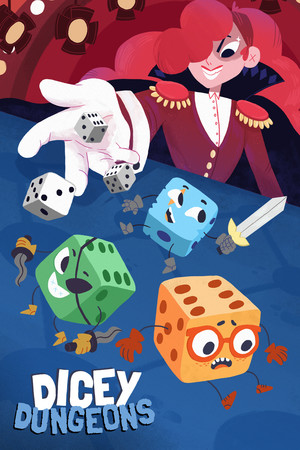
Frequent Dicey Dungeons comparisons: The game is frequently compared to Dicey Dungeons, with mixed opinions on depth and character differentiation. Some see it as similar but with innovative twists.
Large playable character roster: Players repeatedly highlight the extensive roster of playable characters, with some calling it a huge array. This variety is a core appeal for many reviewers.
Surprising amount of content: Many reviewers are impressed by the large amount of content, including dozens of hours of gameplay. This exceeds expectations for a small game.
Short run-based gameplay: The game features short runs and is not expansive, making it suitable for quick sessions. Reviewers note it consists of brief playthroughs.