- Compelling characters and relationships enhance the story.
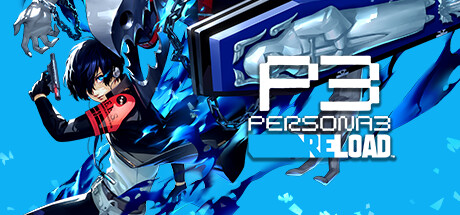
- Faithful remake with modernized, refined gameplay.
- Exceptional soundtrack elevates emotional impact.
- Visually appealing, stylish graphics create immersive world.
- Explores mature themes, thought-provoking narrative.
- Repetitive gameplay and tedious dungeon crawling.
Emotions
What players like:
Common complaints:
Gameplay feedback:
Performance notes:
Recommendations:
Other player notes:
Similar games
Blend with other games 87%Persona 4 Golden
 84%Persona 5 Royal
 83%Metaphor: ReFantazio
 82%Persona 5 Tactica
 81%Shin Megami Tensei V: Vengeance
 81%Persona5: The Phantom X
 80%Soul Hackers 2
 79%Tales of Berseria™
 79%Persona® 5 Strikers
 79%Shin Megami Tensei III Nocturne HD Remaster
 79%RAIDOU Remastered: The Mystery of the Soulless Army
 79%Persona 3 Portable
Review evidence
Why players say this
Review evidence
Why players say this
What players like
Compelling, well-developed characters and relationships: The game features well-developed and memorable characters with unique personalities, backstories, and arcs. Players form strong connections with them through social links and shared experiences. The characters' struggles, growth, and interactions create a sense of camaraderie and emotional investment.
Faithful and enhanced remake: The remake enhances the original game with updated graphics, voice acting, and new content, while remaining faithful to the core story and themes. The improvements make the game more accessible and enjoyable for both new and returning players, creating a definitive version of the classic JRPG.
Exceptional and memorable soundtrack: The game boasts an exceptional and memorable soundtrack that enhances the atmosphere and emotional impact. The music features a blend of genres and styles, with both original compositions and well-received remixes. Many reviewers consider the soundtrack to be among the best in the Persona series and gaming overall.
Visually appealing and stylish graphics: The game features a visually appealing art style with detailed character models, vibrant environments, and stylish UI design. The graphics have been significantly improved in the remake, utilizing modern technology to enhance the overall presentation. The game's aesthetic is both eye-catching and thematically consistent.
Explores mature, impactful themes: The game explores mature and thought-provoking themes such as death, loss, and the meaning of life. The narrative and character arcs delve into these topics with sensitivity and emotional depth, prompting reflection on mortality and the importance of human connections. The ending is particularly impactful and emotionally resonant.
Common complaints
Repetitive gameplay, tedious dungeons: The game suffers from repetitive gameplay, especially within Tartarus' tower. The tower's design and enemy variety are lacking, leading to a monotonous experience. This repetition extends to other aspects of the game, making it feel tedious overall.
Story and pacing issues: The story and pacing have issues, particularly in the early game, which can feel slow and uneventful. The narrative may lack depth, with some characters and plot points feeling underdeveloped. The story can also feel stretched out and disjointed.
Overpriced and unnecessary DLC: The game's DLC, particularly "Episode Aigis" (The Answer), is considered overpriced and should have been included in the base game. The practice of selling this content separately is viewed negatively. Some reviewers feel that the DLC does not offer enough value for its cost.
Technical issues and poor balance: The game suffers from technical issues such as frequent crashes and poor optimization. The difficulty balance is also flawed, with the game being too easy even on higher settings. New Game+ mode lacks carryover features.
Inferior to other Persona games: Compared to other Persona titles, particularly Persona 5 Royal, this game is considered inferior in several aspects. These include story, social links, dungeon design, and overall content. Some reviewers feel the game has been overly "Persona 5-ified," losing its unique identity.
Gameplay and performance
Blend: Dungeon crawling and simulation: The game combines dungeon crawling with social simulation elements. Players balance their time between exploring Tartarus, attending school, building relationships with characters, and improving social stats. This blend of activities creates a unique gameplay loop.
Tartarus: Procedural dungeon tower: Tartarus is a procedurally generated dungeon tower with hundreds of floors divided into themed blocks. Players explore Tartarus to progress the story, collect loot, and level up, but its repetitive nature can become tedious. The remake refines the experience with shorter sections, more variety, and improved pacing.
Fuse Personas, strengthen with Arcanas: The Persona fusion system allows players to create new Personas by combining existing ones. Social Links are tied to Major Arcana and unlock more powerful Persona fusions. This system encourages players to build relationships with different characters to strengthen their Personas.
Turn-based combat, exploit weaknesses: The game features a turn-based combat system that emphasizes exploiting enemy weaknesses. Hitting an enemy's weakness stuns them and grants a bonus attack, which can be passed to another character using the Shift mechanic. Tactical play and strategic party composition are crucial for success.
Social Links: Deepen relationships: Social Links are a key component of the game, allowing players to deepen their relationships with characters. Developing these relationships unlocks new abilities, strengthens Personas, and provides unique benefits. Managing social stats is important for progressing social links and unlocking new opportunities.
Generally solid performance reported: Many players report solid performance, often achieving 60fps, even on Steam Deck. Some users recommend disabling reflections for optimal performance on the Deck. The PC port is generally considered solid.
Crashes reported by some users: Some players have encountered crashes, including crashes to desktop (CTD) potentially related to resolution issues. However, other players report no crashes or bugs.
Stuttering in specific locations: Some players experience performance issues like stuttering and FPS drops in specific locations such as Tartarus and Paulownia Mall, especially when using ray tracing or reflections. This seems to be more prevalent on lower-end hardware like the GTX 1660 Ti.
Ray tracing hardware dependent: Ray tracing effects require compatible graphics cards. This is an expected limitation of the technology.
Defaults to 4K resolution: The game defaulted to 4K resolution for at least one user. This may be unexpected behavior for some players.
Recommendations
Great entry point to series: Many reviewers recommend Persona 3 Reload, especially to newcomers, as a great entry point to the Persona series and JRPGs in general. Some suggest starting with Persona 5 Royal or Persona 4 Golden first, while others believe Reload is the best starting point. Both veterans and newcomers can find something to enjoy in this title.
Buy the game, especially on sale: A large number of reviewers recommend buying the game, especially if it's on sale. They believe the game is worth the time and money, and many express no regrets about investing in it. Some suggest trying the demo first to see if you like the game.
Emotional, memorable, life-changing experience: Reviewers describe the game as an emotional, memorable, and life-changing experience with a compelling story and well-developed characters. Many were deeply moved by the story, some even shedding tears, and highly recommend playing it for the story and social activities.
Wait for sale for best value: Several reviewers suggest waiting for a sale to buy the game, as it is more worthwhile at a discounted price. Some recommend buying the base game and specific DLC for a cost-effective experience. However, some reviewers believe that there is enough content to buy at full price or on a small sale.
Some find game underwhelming: Some reviewers express disappointment with the game, calling it underwhelming and not worth the full price. They may have changed their initial positive review to a negative one. This sentiment is not as widespread as the positive recommendations.
Other review notes
Expensive DLC locks content: The game's DLC, particularly Episode Aigis (also called "The Answer"), serves as a sequel and epilogue, explaining the ending. However, the DLC is considered expensive, and some reviewers feel that it locks significant content behind a paywall.
Explores themes of life/death: The game explores profound themes of life, death, mortality, and finding meaning. The blue color scheme and apathetic protagonist dialogue options contribute to the melancholic atmosphere, reflecting the characters' internal struggles.
Reviewer's personal experience: These points are mostly about the reviewers' personal experiences with the game, such as how many hours they spent playing, when they bought it, or their personal preferences. These points do not provide specific feedback about the game itself.
Good voice acting and localization: The game features Japanese voice acting, which some reviewers recommend for the best experience. The game is localized in multiple languages, including PT-BR and Turkish, making it more accessible to a wider audience.
Melancholic blue UI design: The game's UI maintains ATLUS's high standards, with a melancholic blue theme that reflects death and loneliness. The UI design inherits from Persona 5, using a blue color scheme to simulate the sea.