- Exceptional story and unforgettable characters
- Engaging social links deepen relationships
- Iconic soundtrack enhances immersion
- Repetitive and outdated dungeon design
- Unbalanced combat requires excessive grinding
- Slow pacing and dated graphics frustrate players

Emotions
What players like:
Common complaints:
Gameplay feedback:
Performance notes:
Recommendations:
Other player notes:
Similar games
Blend with other games 91%Persona 5 Royal
 87%Persona 3 Reload
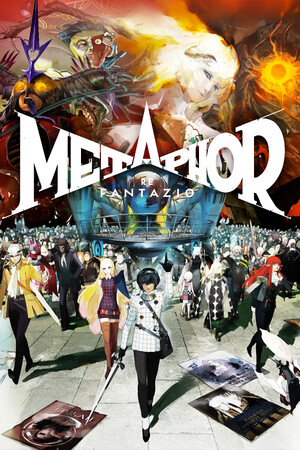 83%Metaphor: ReFantazio
 82%Persona5: The Phantom X
 82%Eternights
 81%Dungeons of Hinterberg
 81%Persona 5 Tactica
 80%DRAGON QUEST® XI S: Echoes of an Elusive Age™ - Definitive Edition
 79%Soul Hackers 2
 79%MONARK
 79%The Legend of Heroes: Sen no Kiseki II KAI -The Erebonian Civil War-
 79%Demonschool
Review evidence
Why players say this
Review evidence
Why players say this
What players like
Exceptional Story and Characters: The game's narrative, character development, and emotional depth are consistently praised. Players highlight the immersive, thought-provoking story and well-written, relatable characters that evoke strong emotional bonds.
Engaging Social Links System: The Social Links mechanic is a standout feature, providing deep character interactions, emotional engagement, and meaningful gameplay rewards. It fosters strong connections with characters and enhances replayability.
Iconic and Immersive Soundtrack: The soundtrack is frequently described as outstanding, memorable, and perfectly fitting the game's tone. It enhances immersion and emotional impact, with tracks like 'Shadow World' and 'Heaven' being particularly praised.
High Replay Value: The game's emotional depth, multiple endings, and engaging mechanics encourage repeated playthroughs. Players often mention spending 50-100+ hours on the game.
Strategic and Rewarding Combat: The turn-based combat system is praised for its depth, strategy, and innovations like the '1 More' mechanic. Players enjoy exploiting weaknesses and the tactical Persona fusion system.
Common complaints
Repetitive and outdated dungeons: Players consistently criticize dungeon design for being repetitive, visually uninteresting, and mechanically outdated. Many compare it unfavorably to *Persona 5* and note excessive length, lack of running, and poor puzzle design.
Unbalanced and grindy combat: Combat is criticized for excessive grinding, unfair enemy mechanics (e.g., instant-death attacks, HP-spongy bosses), and lack of strategic depth. Players note frustration with difficulty spikes and repetitive All-Out Attacks.
Slow and tedious pacing: The game’s pacing is described as slow, especially in the early game and mid-game. Players highlight repetitive gameplay loops, long dungeons, and unnecessary padding as major drawbacks.
Dated graphics and animations: The game’s visuals, UI, and character models are frequently described as outdated, with references to its PS2 origins. Some players find the presentation off-putting or less polished than newer entries in the series.
Technical and QOL issues: Players report bugs (e.g., crashes, achievement glitches), inconsistent voice acting, and dated mechanics like manual saving in dungeons. Camera controls and lack of teleportation are also noted as frustrating.
Gameplay and performance
Social Links and Relationship Building: The Social Links system is a core mechanic for bonding with characters, unlocking story arcs, and gaining combat advantages. It blends daily life activities (e.g., studying, working) with relationship progression, adding depth to character interactions.
Core Dungeon Crawling Mechanics: Dungeon exploration is a central gameplay element, featuring procedurally generated or pre-designed layouts, puzzles, turn-based combat, and resource management. Players navigate multi-floor dungeons with unique themes, boss fights, and time-sensitive progression.
Narrative-Driven Storytelling: The game features a story-driven experience with psychological themes, mystery elements, and multiple endings. Character arcs, romance options, and side quests are integral to the narrative, blending dialogue-heavy gameplay with emotional depth.
Persona Fusion and Combat System: The Persona system allows players to collect, fuse, and evolve mythological allies for turn-based combat. Exploiting enemy weaknesses, skill inheritance, and strategic Persona use are key to battles, with over 150 Personas available.
Time Management and Dual Gameplay: Players balance daily life (school, jobs, socializing) with dungeon exploration, using time management mechanics to progress relationships, skills, and story. The game alternates between real-world and dungeon settings, often requiring completion within in-game days.
Stable performance on varied hardware: The game runs smoothly on both low-end and high-end hardware, including handheld devices and school laptops, with stable frame rates and no major crashes reported by many users.
Unlocked frame rates for smoother gameplay: Players can enjoy unlocked frame rates, with some achieving 100+ FPS on PC and 120 FPS on high-end systems. This provides a smoother and more responsive gaming experience.
Crashes on AMD hardware and key moments: Some players report crashes on AMD hardware, during mid-combat, final boss fights, and map transitions. These issues disrupt gameplay and frustrate users.
Denuvo causes offline play issues: The Denuvo anti-piracy protection requires an active internet connection, which creates problems for offline play, particularly on devices like the Steam Deck.
Stuttering and audio issues: Players experience stuttering, particularly during All Out Attacks, as well as audio issues in cutscenes. These problems detract from the overall immersion and fluidity of the game.
Recommendations
Masterpiece JRPG with deep narrative: The game is widely praised for its rich, character-driven storytelling and emotional depth, making it a landmark in JRPGs. Players recommend it for its narrative and immersive experience, even if they dislike turn-based combat.
Ideal for JRPG and Persona newcomers: The game is frequently recommended as an entry point to the Persona series and JRPGs due to its accessible storytelling and lower technical barriers. It serves as a gateway for players new to the genre or franchise.
Strong recommendation at any price: The game is frequently described as a must-play and worth its full price, with many citing 60-100+ hours of content. It is considered a masterpiece and a once-in-a-generation experience.
Worth playing despite flaws: Despite outdated graphics, minor inconveniences, or frustrating moments, the game is consistently recommended for its overall quality. Players emphasize its value even with acknowledged flaws.
High replay value and endings: Players highlight the game’s replayability due to multiple character paths and endings, particularly the True/Golden Ending. Guides are often suggested to maximize the experience without spoilers.
Other review notes
Comparisons to other Persona games: Reviewers frequently compare the game to other entries in the Persona series, particularly Persona 3 and Persona 5, noting differences in dungeon design, combat enjoyment, and overall experience. This feedback is common among both new and experienced players of the franchise.
Game's personal life impact: The game has had a significant personal impact on players, including improving English fluency, influencing artistic taste (e.g., music preferences), and teaching life lessons about effort in relationships. These reflections highlight the game's broader cultural and educational value.
Anticipation for future games: Reviewers express excitement and anticipation for future games in the series, such as Persona 4 Revival and Persona 6. This feedback underscores the franchise's strong fanbase and its potential for growth.
Distinctive art and soundtrack: Players praise the game's colorful and expressive art design, as well as its unique soundtrack that blends pop-rock, jazz, and electronica influences. These elements are frequently cited as standout features of the game.
Emotional attachment to characters: Players express strong emotional connections to specific characters, highlighting the game's ability to create meaningful relationships. This attachment is a recurring theme in reviews, reflecting the game's narrative impact.