- Deep and strategic turn-based combat system
- Engaging storytelling with memorable characters
- High replayability and rich content variety
- Excessive game length and pacing issues
- Repetitive combat and dungeon design
- Narrative decline in late game sections
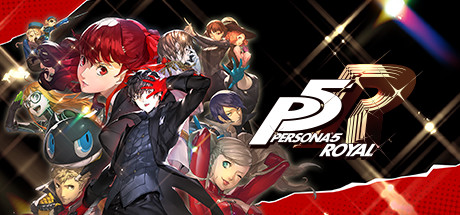
Emotions
What players like:
Common complaints:
Gameplay feedback:
Performance notes:
Recommendations:
Other player notes:
Similar games
Blend with other games 91%Persona 4 Golden
 84%Metaphor: ReFantazio
 84%Persona 3 Reload
 83%Dungeons of Hinterberg
 82%Clair Obscur: Expedition 33
 82%Eternights
 82%The Legend of Heroes: Trails in the Sky SC
 82%Shin Megami Tensei V: Vengeance
 82%DRAGON QUEST® XI S: Echoes of an Elusive Age™ - Definitive Edition
 81%Tales of Vesperia: Definitive Edition
 81%The Legend of Heroes: Sen no Kiseki II KAI -The Erebonian Civil War-
 81%Demonschool
Review evidence
Why players say this
Review evidence
Why players say this
What players like
Deep and strategic turn-based combat: The game's turn-based combat system is praised for its depth, customization, and strategic elements like exploiting weaknesses, Persona fusion, and team mechanics. Players find it engaging, dynamic, and satisfying to master.
Engaging and masterful storytelling: The narrative is highly praised for its emotional depth, philosophical themes, and compelling twists. Players describe it as one of the best stories in gaming, with strong character arcs and societal commentary.
Well-developed and memorable characters: Characters are lauded for their depth, relatability, and growth arcs. Antagonists are particularly well-designed, and relationships with characters feel meaningful and impactful.
High replayability and content richness: The game offers over 100 hours of content, with high replay value due to NG+, romance options, and meaningful choices. Players often return for multiple playthroughs.
Iconic and immersive soundtrack: The jazz-inspired soundtrack is frequently highlighted as a masterpiece, enhancing immersion and emotional engagement. Tracks like 'Life Will Change' are standout examples.
Common complaints
Excessive game length and pacing: The game’s length (100+ hours) and drawn-out pacing frustrate players, particularly in the last quarter. Unnecessary stories, repetitive mechanics, and slow narrative progression contribute to burnout and reduced engagement.
Repetitive combat and dungeons: Combat becomes tedious due to repetitive mechanics, lengthy animations, and lack of strategic depth. Dungeons and procedurally generated areas (e.g., Mementos) are criticized for monotony, especially in late-game.
Narrative decline in late game: The latter half of the game suffers from a sharp drop in writing quality, disjointed storytelling, and reliance on clichés. Players noted frustration with unresolved plot points and character arcs that feel undone or forced.
Unbalanced boss fights: Boss battles are criticized for requiring specific abilities, ignoring elemental weaknesses, and lacking depth. Some fights feel like endurance tests or are impossible without meta-knowledge.
Unconvincing character arcs: Key characters (e.g., Akechi, Haru) suffer from inconsistent motivations, forced redemption arcs, and lack of development. Players criticize illogical forgiveness of antagonists and underdeveloped side characters.
Gameplay and performance
Confidant and social link system: The Confidant system allows players to build relationships with characters, unlocking gameplay bonuses, abilities, and story progression. These social links are integral to both narrative depth and mechanical advantages, such as combat perks or negotiation benefits.
Handcrafted dungeons and palaces: Dungeons, called Palaces, are meticulously designed with unique themes, puzzles, and bosses, representing the inner worlds of antagonists. Mementos, a procedurally generated dungeon, complements the handcrafted Palaces for varied exploration.
Narrative-driven rebellion theme: The game’s story focuses on themes of rebellion, justice, and societal critique, blending high school life with supernatural battles. The narrative is character-driven and immersive, with a strong emphasis on player agency and moral dilemmas.
Time management and calendar system: Players must manage their time effectively using a calendar-based system, balancing daily activities like studying, socializing, and dungeon exploration. This mechanic adds realism and urgency, forcing players to prioritize tasks and relationships.
Persona fusion and customization: Players can fuse and customize Personas to create powerful entities with unique abilities. This system encourages experimentation and strategic planning, as different Personas offer varied strengths and weaknesses for combat scenarios.
Severe performance stuttering: Players report significant FPS drops (e.g., from 120 to 2 FPS) and stuttering in crowded areas, often linked to GPU usage spikes or AMD hardware configurations. This issue disrupts gameplay and is frequently cited.
Optimization inconsistencies: While some players experience smooth performance (e.g., 120 FPS on high-end hardware), others face optimization issues, particularly with ports or specific hardware setups. Mixed feedback highlights uneven optimization.
Hardware-specific bugs: Issues like Japanese IME input bugs, registry corruption post-uninstall, and Steam Deck text rendering problems highlight hardware/software compatibility gaps. Workarounds exist but are not ideal.
Frame rate and rendering flaws: Character models appear jittery at 60 FPS (intended for 30 FPS), and graphics dim during flashy scenes, requiring mod fixes. These issues affect visual quality and immersion.
Steam Deck optimization: The game is optimized for Steam Deck, offering a portable-friendly experience, though minor text issues may require manual adjustments.
Recommendations
Ideal for story lovers: The game is highly praised for its rich narrative, character development, and emotional depth. It is recommended for players who enjoy deep, immersive storytelling and well-written characters.
Must-play for JRPG fans: The game is overwhelmingly recommended for fans of JRPGs, turn-based combat, and narrative-driven experiences. Many reviews highlight its appeal to both newcomers and veterans of the genre, emphasizing its depth and emotional impact.
Long but rewarding experience: While the game requires a significant time investment (often 80-100 hours), reviewers agree that the experience is worthwhile due to its engaging gameplay, story, and character arcs.
Standout art and music: The game's visual and audio design are frequently highlighted as exceptional, contributing significantly to its immersive and emotional experience.
Wait for a sale: Many reviewers suggest purchasing the game during a sale to maximize value, citing its length and content as justification for a lower price. Full retail price is often considered too high for casual players.
Other review notes
Themes of identity and growth: Central themes explore rebellion, societal critique, personal growth, and Jungian psychology, particularly through motifs like masks, shadows, and self-acceptance.
Strong modding community: Players highlight an active modding scene, including translation mods (e.g., Thai, PT-BR), story overhauls, and accessibility fixes. This extends the game's longevity and inclusivity for non-native speakers.
Post-game emotional impact: Many players report feeling emptiness or sadness after finishing the 100+ hour story, questioning the game's replayability due to its emotional weight and length.
Achievements post-story issues: Some achievements become unattainable after completing the main story, frustrating players aiming for completion. True ending requirements are also unclear, impacting progression satisfaction.
Easter eggs and collaborations: Notable Easter eggs include a *Yakuza* series reference and a collaboration with *第五联动* (Dai5 LianDong), adding depth for fans of cross-franchise lore.