- Combat system is innovative
- Story is engaging
- Music is highly praised
- Repetitive dungeon design and maps
- Overwhelming and repetitive side quests
- Poor graphics and visuals
Emotions
Archetypes
What players like:
Common complaints:
Gameplay feedback:
Performance notes:
Recommendations:
Other player notes:
Similar games
Blend with other games




Review evidence
Why players say this
Review evidence
Why players say this
Steam review verdict
Innovative combat, engaging story, and excellent music shine, but repetitive dungeons and side quests plus poor visuals hold it back.
What players like
Combat system is innovative: The combat system, particularly the Imaginary Chain mechanic, is praised for its originality and fun factor. It allows players to forecast moves and see how attacks play out, adding a strategic layer.
Story is engaging: The story is described as interesting, enjoyable, and full of twists, keeping players hooked. It has depth and is well-constructed, with a satisfying and engaging narrative.
Music is highly praised: Many reviewers highlight the music as exceptional, calling it the best part of the game. The soundtrack is described as addicting and spectacular, with a high-quality OST that includes unique dungeon themes and vocal tracks.
Characters are well-written: Reviewers consistently commend the characters as interesting, excellently written, and a major strength. Voice acting and character development are frequently mentioned as standout features.
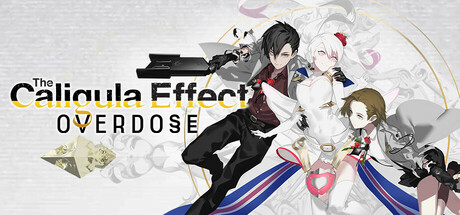
Character designs are excellent: The character designs and portraits are frequently praised as beautiful and outstanding. Reviewers appreciate the unique and detailed artwork.
Common complaints
Repetitive Dungeon Design and Map Issues: Many reviewers find the level and dungeon designs highly repetitive, maze-like, and uninspired, especially in later areas. This repetition makes exploration monotonous and tedious.
Overwhelming and Repetitive Side Quests: With over 500 NPCs offering repetitive, copy-paste side quests that lack story, and the ability to only accept one at a time, the quest system feels like a tedious chore. The Causality Link system exacerbates this with hundreds of same-y quests.
Poor Graphics and Visuals: Graphics are clunky, rough, and unpolished, with bland 3D models and animations that look outdated even for a Vita game. The visual quality is a major weak point.
Combat Becomes Repetitive and Boring: Combat starts off strategic and fun but quickly becomes extremely repetitive and frustrating, with battles turning into long, boring slogs. The lack of variety in enemies and skills contributes to this.
Stiff Character Animations: Character movements and animations are stiff, inexpressive, and unnatural, with running looking like sliding. This applies to both main and recruitable characters.
Gameplay and performance
Turn-based combat overview: Combat is turn-based strategy with a timeline showing enemy and ally actions, allowing players to forecast moves and plan up to 3 actions per character. The system includes turn-based JRPG combat with special moves and tactics.
Multiple story routes: The game has multiple routes affecting the story, including a route to side with the Musicians and dual protagonist routes. Choices matter significantly.
Extensive sidequests available: The game features optional sidequests activated by listening to NPCs' worries, with a large number of recruitable NPCs offering quests. Side quests are a significant part of the gameplay.
Dungeons and mazes: Players can explore various dungeons, some of which are giant mazes. Dungeons are a core element of the game's exploration.
Skill categories and WIRE app: Skills are divided into active, passive, and Overdose categories, and a WIRE chat app is used for increasing affection. These systems enhance character development.
Performance and stability issues: Reviewers report both stable performance and specific problems. Some experience solid 60 FPS and very few resource issues, while others note lagging on certain maps, cutscene animation stutters, and a screen blackout bug.
Default FPS limit problematic: The default FPS cap is set to 300 FPS, which is too high for most PCs and can cause performance issues. This setting is not well-suited for typical hardware configurations.
Limited settings customization options: The settings menu offers very few general options that players can customize. This lack of configurability may prevent users from adjusting the game to their preferences or hardware.
Visual model and animation quality: In-game models and animations are considered subpar by some reviewers. This suggests that the visual presentation may not meet expectations.
Skill icon visual bug: When skill points are high, the skill icon vibrates and disappears during battle. This UI glitch can interfere with gameplay and skill management.
Recommendations
Buy only on sale: Multiple clusters indicate the game is not worth full price but may be worth buying on sale. Some even suggest buying on sale to experience a bad game.
Play on hard or easy: Several reviewers suggest playing on hard difficulty for a decent challenge, while others recommend easy mode to avoid frustration due to restrictive default settings. Difficulty choice depends on player preference.
Not recommended for everyone: Some reviewers do not recommend the game due to personal dislike, while others note it's not suitable for sensitive people. Mixed opinions on recommendation.
Recommended for JRPG fans: Reviewers recommend this game for fans of old-school JRPGs, especially those who enjoy classic battle systems, music, and Persona-like social links. It offers a special experience for gameplay and story enthusiasts.
Sequel is better: Reviewers suggest playing the sequel, which is considered miles better, and some say it's a must-play. Playing Caligula 2 first or skipping this game is advised.
Buying context
Community fair range: $20.00 - $30.00.
Game completion: 36.0h.
Story completion: 33.0h.
Endgame: 119.0h.
The Caligula Effect has a slow, friction-heavy opening, but some players report it clicks after early story/character progression and combat setup open up. Others find it remains a tedious slog throughout.
Friction: Long tutorial and slow start; Repetitive dungeon design and tedious exploration; Repetitive combat and frequent encounters; Meaningless item progression; Vague map and poor side-quest guidance; Too many repetitive NPC side-quests.
Unlock drivers: Clearing the first boss; Main character interactions and story development; Deepening character bonds to access companions' depths; Combat planning and action-sequence setup; Running past most enemies to avoid battles.
Player profiles
Persona-Style Story and Character Seeker: Prioritizes story and character interactions, tolerates jank and repetitive combat, and may lower difficulty to advance the plot. Motivation: To experience a Persona-like character-driven story, social links, and psychological drama. Stance: buy.
J-Pop and Idol Music Enthusiast: Plays mainly for music and atmosphere, treating the game as a soundtrack and character experience while tolerating weak gameplay. Motivation: To enjoy the Vocaloid/J-pop soundtrack and idol-anime aesthetic. Stance: sale.
Hard-Mode Tactical Combat Tinkerer: Starts on Hard, studies battle forecasts, plans character actions, manipulates the risk meter, and avoids trash mobs. Motivation: To master the simultaneous-turn planning combat and find a satisfying challenge. Stance: sale.
Extra review signals
External guides: The Wiki Tax feedback centers on external wiki and Wikipedia reliance for understanding systems, discovering added content, and avoiding excessive play time. There is no evidence of farming, drop-rate, loot-table, inventory, crafting, or navigation/bug concerns. Under the strict priority algorithm, the dominant theme is instructional data dependency, so the primary category is Tier 3: The Student.
Other review notes
Persona comparison for style: Many reviewers compare the game to the Persona series, especially regarding story structure, social world, and visual flair. However, others note it is not a direct clone and differs from Persona 3-5.
Scenario by Tadashi Satomi: The scenario is written by Tadashi Satomi, known for his work on Persona 1 and 2. This connection is frequently mentioned as a key similarity to the Persona series.
Originally a PS Vita game: Many reviewers recall the game's origins on PS Vita and compare this version to the original. The remaster is often discussed in the context of its portable roots.
500+ NPCs and sidequests: The game includes over 500 NPCs with profiles and hundreds of side-quests, though some are considered copy-pasted and optional. This large amount of content is often highlighted in reviews.
DLC costumes and swimsuits: Paid DLC mainly includes swimsuit and costume skins with no gameplay enhancements, and some reviewers find them not worth buying due to poor graphics. Free DLC offers useful Stigma equipment with experience boosts.