- Engaging turn-based combat
- Beautiful HD-2D art style
- Excellent music and soundtrack
- Excessive random encounters
- Weak character development
- Poor value for money
Emotions
Archetypes
Hardware
What players like:
Common complaints:
Gameplay feedback:
Performance notes:
Recommendations:
Other player notes:
- -
No data available
Similar games
Blend with other games






Review evidence
Why players say this
Review evidence
Why players say this
Steam review verdict
Engaging turn-based combat, beautiful HD-2D art, and excellent music are let down by excessive random encounters, weak character development, and poor value for money.
What players like
Engaging turn-based combat: Players frequently praise the turn-based combat system for its engaging mechanics, interesting skills, hidden HP system, and challenge during boss fights. The combat is widely seen as one of the game's strongest features.
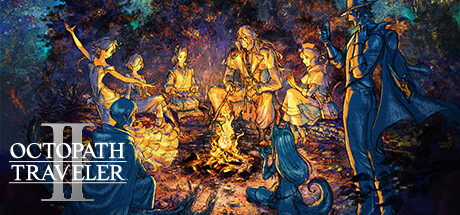
Beautiful HD-2D art style: The graphics and HD-2D art style are frequently highlighted as beautiful, with commendations for its pixel art, particle effects, and 2D/3D contrast. Many call it gorgeous and incredible.
Excellent music and soundtrack: The music and soundtrack are consistently praised as excellent, outstanding, and a key part of the game's appeal. Positive mentions are frequent and enthusiastic.
Good story and characters: The story and character narratives are generally seen as good or interesting, with some individual character stories praised as strong or deep enough to stand alone. Overall, the storytelling is considered a positive aspect.
Polished technical performance: The game runs great on Steam Deck with no bugs, and the engine works well. It is considered polished and well-made.
Common complaints
Excessive random encounters: Random battles occur very frequently, making exploration tedious and frustrating for players.
Weak character development: Players note minimal character growth and weak interactions between party members, making the cast feel disconnected and underdeveloped.
High price low value: Multiple players feel the game is overpriced for the content provided, leading to low value perception.
Repetitive mediocre combat: Combat systems are seen as mediocre, uninspired, and repetitive, leading to monotony.
Boring repetitive exploration: The game is considered boring due to repetitive exploration and lack of engaging elements.
Gameplay and performance
Deep turn-based combat: The combat system is turn-based and praised for its depth, featuring a Break/Shield mechanic, Battle Point/Boost system, and job skill system. Players enjoy the strategic puzzle-like elements and resource management.
Eight separate stories: Eight characters each have their own independent story chapters, which is a praised narrative structure that adds variety. However, some note that narrative interactions between characters are minimal, and that the game hides content requiring multiple playthroughs to fully uncover.
Random unavoidable encounters: Players frequently encounter random battles on the field, with some mentioning monsters respawn very quickly (every two seconds). This is seen as frustrating and unavoidable by some users.
Field abilities and day/night: Each of the 8 characters has a field ability, but some overlap. The game includes a day/night cycle with character actions in towns.
Level-gated structure: The game features a recommended level path for chapters, which some players feel limits freedom. Progression is level-gated, requiring grinding at certain points.
Great Steam Deck Performance: The game runs well on Steam Deck, providing a smooth and enjoyable experience for players using that hardware.
Recommendations
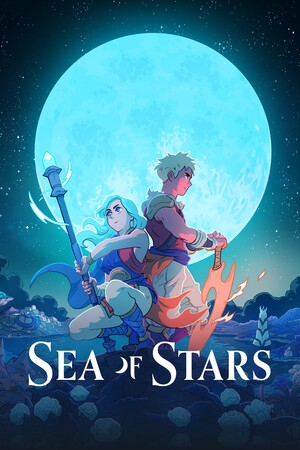
Weaker than genre competitors: The game is compared unfavorably to other JRPGs like Unicorn Overlord, 13 Sentinels, Sea of Stars, or classic PS1 titles. Several players feel there are better alternatives in the genre, and the pacing or story is not engaging enough.
Poor value for money: Multiple reviews warn against buying the game at its full $60 price, citing poor value. Some regret purchasing even at significant discounts, suggesting the game is only worth a deep sale or not worth buying at all.
Niche appeal only: Some players recommend the game for its combat, pixel art, or storybook style, but nearly always with a caveat like waiting for a sale or tolerating inconsistencies. It may appeal to niche JRPG fans.
High grind requirement: Reviews specifically warn grind-averse players against the game. The heavy grinding and turn-based combat are not for everyone, and impatient players may struggle without a guide.
Weak storytelling and pacing: Multiple reviews note that the story is incoherent, pacing is disjointed, and narrative is not a strong point. Players who value a cohesive story are advised to skip.
Buying context
Community fair range: $19.99 - $59.99.
Game completion: 57.0h.
Story completion: 80.0h.
The game becomes enjoyable once class progression and party synergy systems are understood, but early fun is hindered by repetitive encounters, grinding, and pacing flaws.
Friction: tedious random encounters; grind-heavy leveling; uneven pacing with drawn-out arcs and repetitive chapters; boss difficulty spikes requiring grinding; disjointed storylines that rarely intersect.
Unlock drivers: 2x battle speed option; system refinements from the first game; unlocking new abilities as characters level up.
Player profiles
Nostalgic Pixel Purist: Savors pixel-art aesthetics and HD-2D presentation; prioritizes turn-based combat, exploration, and nostalgic JRPG tropes; patient with grind and classic narrative structure. Motivation: Reliving the golden age of 16-bit JRPGs (e.g., Chrono Trigger, classic Final Fantasy) with modern presentation. Stance: buy.
Story-Driven Character Investor: Engages deeply with each character's personal story; explores sidequests for world-building; values character interactions and emotional resonance; willing to overlook pacing issues for narrative payoff. Motivation: Connecting with character-driven stories and immersive world-building. Stance: buy.
Completionist Grind Optimizer: Systematically levels all characters, optimizes team builds, and pursues 100% completion including superbosses (Galdera); enjoys grinding as part of the loop; seeks efficiency in combat and item collection. Motivation: Mastering game systems and achieving full completion of all content. Stance: sale.
Platform notes
Most players on low-VRAM hardware report good performance and satisfying gameplay, while feedback on high-VRAM hardware is mixed with no dominant performance complaints.
Windows <8GB VRAM: positive. Players report good performance and a smooth experience, with minor complaints about random encounter frequency.
Windows 16GB+ VRAM: mixed. One player reports smooth performance, but another finds certain mechanics annoying; no clear performance issues dominate.
Steam Deck: Octopath Traveler II on Steam Deck has mixed feedback. While many users report a flawless experience with beautiful visuals and good performance, there are critical reports of frequent crashes making the game unplayable for some. Additionally, the small text size is a common complaint causing eye strain during handheld play. These issues prevent the game from being a seamless experience.
Linux and Proton: Octopath Traveler II runs well on Linux/Steam Deck for most users with no required tweaks or workarounds. One isolated complaint about poor performance on handheld devices exists, but the majority of Linux/Deck reports confirm smooth gameplay without issues.
Extra review signals
Monetization: Reviews explicitly mention no microtransactions.
External guides: The dominant user complaint is the need for external guides to find hidden quests, understand vague mechanics, and locate secrets, classifying this as a Tier 3 (The Student) dependency.