- Top-tier roguelike deckbuilder experience
- Highly addictive and replayable gameplay
- Deep strategic deckbuilding variety
- Strong clan combination mechanics
- Inferior to Slay the Spire
- Repetitive after numerous runs
Emotions
Archetypes
Hardware
What players like:
Common complaints:
Gameplay feedback:
Performance notes:
Recommendations:
Other player notes:
Similar games
Blend with other games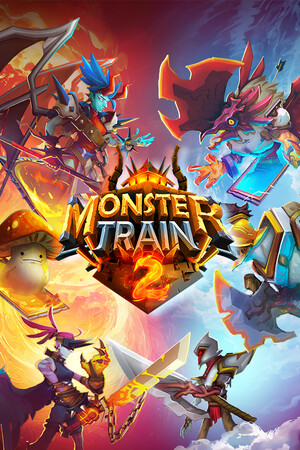






Review evidence
Why players say this
Review evidence
Why players say this
Steam review verdict
A top-tier, addictive, replayable roguelike deckbuilder with deep strategy and strong clan combos, though it falls short of Slay the Spire and grows repetitive after many runs.
What players like
Generally positive reception: Players frequently describe the game as fun, fantastic, and well-polished, indicating a strong overall positive sentiment.
Top-tier roguelike deckbuilder: Many consider it one of the best roguelike deckbuilders, with some calling it the finest in the genre.
High replayability: Reviewers highlight the game's immense replay value, with many noting endless replayability and numerous playstyles.
Fun and addictive gameplay: Players find the gameplay very fun, enjoyable, and addictive, often losing track of time while playing.
Deep deckbuilding variety: The game offers diverse deck construction options, multiple in-depth archetypes, and strategies that add depth to the experience.
Common complaints
Inferior to Slay the Spire: Players frequently compare this game unfavorably to Slay the Spire, citing less depth, worse balance, and lower replayability. Many feel it lacks the polish and content of its competitor.
Repetitive gameplay experience: Multiple clusters highlight that the game becomes repetitive after several hours or even one playthrough. Runs feel samey and boring quickly.
Clan balance issues: Different clans are not well balanced, with some combinations being significantly disadvantaged or overly powerful. Synergy between clans is often lacking.
Junk cards dilute deckbuilding: Reviewers complain about an abundance of useless or trash cards that clutter decks and reduce strategic options. This contributes to shallow deck-building depth.
Boss design problems: Some bosses are excessively difficult, while others have abilities that invalidate entire deck archetypes. Boss order also feels repetitive with the same bosses reappearing.
Gameplay and performance
Roguelike Deckbuilder Genre: The game is widely described as a roguelike or roguelite deckbuilder with card-based combat and run-based progression. Many reviews compare it directly to Slay the Spire, Monster Train, and similar titles.
Clan System and Combinations: The game features multiple clans, each with unique cards, strengths, and playstyles. Players typically combine a primary and secondary clan to create strategic variety during a run.
Deckbuilding Core Mechanics: Players build and upgrade a deck by adding, removing, and combining cards. Deckbuilding involves synergies between cards, units, and clan combinations.
Tower Defense Hybrid: The game mixes deckbuilding and roguelike elements with tower defense and auto-battler mechanics. Players place units and defend against waves of enemies using card-based strategies.
Difficulty Progression Systems: The game includes escalating difficulty modes such as Covenants or Ascensions, with up to 25 levels of increasing challenge. Difficulty scales with player skill and progression.
Launch black screen infinite cursor: Players report a black screen upon launching the game with the mouse cursor spinning endlessly. This prevents the game from starting and may require a computer restart.
Severe startup and freeze crashes: The game frequently crashes or hangs during startup due to FMV issues, and freezes with a loading spinner while other games work fine. Some incidents force a power-button shutdown when closing and reopening the game.
Steam Deck optimization lacking: The game runs poorly on Steam Deck and requires optimization. Battery life is also terrible, draining 60% in two hours.
Poor code and bad streaming: Feedback cites terrible code, lack of optimization, and bad streaming quality. This indicates fundamental performance issues.
Runs great on old hardware: Despite issues for some, others report the game looks and plays great even on a decade-old computer. It runs great for these users.
Recommendations
Ideal for Slay the Spire fans: Many reviewers consistently recommend the game to players who enjoyed Slay the Spire, describing it as a worthy alternative or equal. It scratches the same itch for turn-based card combat and deckbuilding.
Must-play for roguelike deckbuilder fans: A large number of reviews strongly recommend the game to anyone who likes roguelike deckbuilders or card roguelites. It is frequently called one of the best in the genre.
Buy on sale or discount: Numerous reviewers advise purchasing only during a sale or at a significant discount. They feel the game offers good value at a reduced price, especially for those unsure about the genre.
Sequel is generally superior: Several reviewers state that Monster Train 2 is a better experience, with more content, optimizations, and improvements. Some recommend skipping the first game or going directly to the sequel.
Great value for money: Many reviewers find the game well worth its price, especially at a discount, and note it offers many hours of entertainment. It is often described as a solid pick for the cost.
Buying context
Community fair range: $10.00 - $20.00.
Game completion: 10.0h.
Session length: 0.8h.
Endgame: 100.0h.
Monster Train is widely reported as fun and addictive from the first run, with unlocks improving the experience for some players. Many players also report that repetition, same bosses, and grind make the fun fade later.
Friction: Spiky learning curve with clan math and floor tactics.; Card unlocks felt tedious at first.; Initial art style and vivid colors were off-putting.; Some players uninstalled on first try because it did not click.; Early runs can feel punishing until a clan/ally combo clicks..
Unlock drivers: Unlocking more cards and clans.; Unlocking races one by one, revealing the charm of the numbers.; Finding a clan/ally combo that clicks.; Gaining knowledge and unlocked options after each run.; Discovering powerful synergies and combinations.; Higher difficulty levels sparking new thinking..
Player profiles
Slay the Spire Veteran Optimizer: Theory-crafts two-clan synergies, improvises based on the current run state, and pushes high Covenant difficulty to optimize every decision. Motivation: Crafting creative, game-breaking card combos and mastering strategic depth beyond what rival roguelike deckbuilders offer. Stance: buy.
Casual Relaxation Player: Short, low-pressure runs often played while multitasking with work or podcasts, leaning on strong combos to steamroll enemies. Motivation: Relaxing, low-stakes fun and feeling powerful without heavy commitment or a desire to truly conquer the game. Stance: buy.
Genre Newcomer: Learning mechanics run by run, experimenting with clans, and savoring early progression while still forming personal genre preferences. Motivation: Discovering and learning the deck-building roguelike genre through an accessible, rewarding entry point. Stance: buy.
Platform notes
The Windows 8-11GB VRAM cohort reports a positive performance experience, with no significant issues in the sampled reviews.
Windows 8-11GB VRAM: positive. Sampled reviewers report the game performs well with an intuitive UI, and no performance complaints were included.
Steam Deck: The Steam Deck experience is mixed but has clear positive core playability: users enjoy the card gameplay, comfort, and controller support. However, friction is significant: small text requires squinting, battery drain is reported as terrible, performance is sometimes poor or in need of Deck optimization, and separate crash reports describe black-screen freezes that force restarts and recur on launch. The crash and won't-launch evidence pushes the audit into the broken range despite otherwise favorable handheld impressions.
Extra review signals
Monetization: The reviews describe Monster Train as a single-player, one-time-purchase game with a traditional paid DLC expansion. The only currency mentioned ('pact shards') is an in-game mechanic that trades power for increased difficulty, not a real-money purchase, and reviewers explicitly note the game is not pay-to-win and receives free updates. Remaining criticism targets the base price and sale value, which falls outside the MTX scope.
Other review notes
Frequent Slay the Spire comparisons: Reviewers constantly compare this game to Slay the Spire, noting similarities in deckbuilding and roguelike mechanics. Many find it on par or even better, while others see it as less deep or polished.
Monster Train 2 exists and improves: A sequel, Monster Train 2, has been released or announced and is widely considered a significant improvement. Some reviewers feel it makes the original obsolete.
DLC adds sixth clan: The game has DLC that introduces a sixth clan, expanding the base game's five clans. This DLC is often mentioned as adding worthwhile content.
More varied and action-packed than Slay the Spire: Reviewers note that this game is more varied, action-packed, and has more diverse short gameplay. It offers a different satisfaction compared to Slay the Spire.
Game is easier than Slay the Spire: Multiple reviewers note that this game is more streamlined, less difficult, and requires less thinking than Slay the Spire. It is described as easier, especially in early runs.