- Addictive and deep roguelite gameplay
- Unique and rewarding physics-based combat
- Exceptional indie development, high potential
- Suffers from technical issues and lack of polish
- Unbalanced difficulty and clunky combat system
- Lack of content and replayability
Emotions
What players like:
Common complaints:
Gameplay feedback:
Performance notes:
Recommendations:
Other player notes:
Similar games
Blend with other games




Review evidence
Why players say this
Review evidence
Why players say this
What players like
Addictive & Deep Gameplay: Players consistently praise the game's addictive nature, often leading to extended play sessions. The core gameplay is described as fun, engaging, and surprisingly deep, offering a high skill ceiling and rewarding mastery of its unique mechanics.
Exceptional Indie Development: The game is lauded as an outstanding indie title, often highlighted for its quality, depth, and continuous improvement, especially considering it's largely developed by a single person. Reviewers frequently commend the developer's passion, commitment, and responsiveness to community feedback through consistent updates.
Unique & Rewarding Combat: The physics-based combat system is a standout feature, described as unique, challenging, and incredibly satisfying once mastered. It offers deep tactical possibilities, rewarding patience, timing, and strategic movement, making each hit feel impactful and visceral.
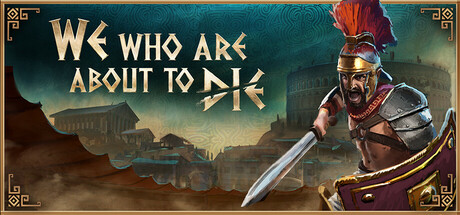
Authentic Gladiator Experience: The game excels at delivering a brutal, immersive, and satisfying gladiator simulation. Players appreciate the unique blend of physics-based combat, strategic management, and roguelite elements that fulfill a long-standing desire for a modern gladiator game.
High Replayability & Variety: The roguelike elements, including randomized runs, diverse character traits, varied events, and extensive customization options for weapons and armor, ensure that each playthrough feels fresh and unique. This variety significantly contributes to the game's high replay value.
Common complaints
Technical Issues & Lack of Polish: Players frequently encounter game-ending bugs, crashes, and performance issues, which are unacceptable for a game that has been in Early Access for an extended period. The overall lack of polish, including janky controls and visual glitches, detracts significantly from the experience.
Unbalanced Difficulty & Progression: The game suffers from an uneven difficulty curve, with early-game being too punishing and late-game becoming either too easy or frustratingly hard due to overpowered enemies. The lack of meaningful meta-progression and the punishing permadeath system make character loss feel unrewarding and demotivating.
Clunky & Repetitive Combat System: The core combat system is widely criticized for being janky, clunky, and repetitive. Players report inconsistent hitboxes, awkward physics, and a lack of depth that makes fights feel monotonous and frustrating, especially in later stages. This is a significant issue given combat is 95% of the game.
Lack of Content & Replayability: Despite being a roguelite, the game is criticized for its lack of content, leading to quick boredom and repetitiveness after only a few hours. The roguelite elements themselves are often seen as poorly implemented and do not provide sufficient motivation for continued play.
Unresponsive Controls & Camera: The game's controls, especially for combat and camera, are frequently described as janky, clunky, and imprecise. This makes it difficult to execute intended actions, particularly with throwing weapons and specific attack directions, leading to frustration and unfair deaths.
Gameplay and performance
Roguelite with Permadeath: The game is a roguelite gladiator simulator with permanent character death. Each run starts with a new, randomly generated gladiator, and death means starting over. This system creates tension and encourages strategic decision-making, though some meta-progression elements carry over to ease subsequent runs.
Physics-Based Combat System: The game features a unique, physics-based combat system, often compared to Mount & Blade, Mordhau, and Chivalry. It emphasizes directional attacks, precise timing, and momentum, requiring skill to master rather than button mashing. While initially perceived as clunky or difficult, players find it rewarding once understood.
Strategic Management Layer: Beyond combat, players engage in a management layer, making strategic decisions about their gladiator's career. This includes managing finances (gold, fame), purchasing and repairing gear, training skills, choosing fight types, and cultivating relationships with sponsors. These choices are crucial for progression and survival.
Steep Learning Curve & Difficulty: The game is generally considered difficult and has a steep learning curve, especially due to its unique physics-based combat. Players often struggle initially but find the game becomes more manageable and enjoyable after investing time to master its mechanics and strategic elements. Difficulty modes are available to assist new players.
Varied Character & Weapon Options: Players start with randomly generated gladiators, each with unique backstories, traits, and goals, influencing playstyle and run objectives. There's a wide array of weapon types and armor, each with distinct mechanics and strategic implications, encouraging experimentation and adaptation.
Generally good performance and optimization: Many players report smooth gameplay, good frame rates (around 120 FPS), and quick loading times, even on mid-range hardware like a GTX 1650 and Steam Deck. Some even describe the game as 'perfectly coded' with no bugs or crashes.
Minor visual and physics glitches: Some players encountered minor bugs, such as corpses getting stuck or ragdolling erratically, and occasional funny ragdoll physics. These are generally considered acceptable and rare.
Shadow settings impact FPS: Players noted a significant drop in frame rate when increasing shadow quality from low to medium, indicating that shadow rendering is a performance-intensive setting.
Steam Deck compatibility nuances: While some report good performance on Steam Deck, others find it 'not very great' and suggest using specific Proton versions (e.g., Proton 4.2-9) to avoid freezes and ensure playability.
High VRAM usage for an indie game: One player noted that the game runs poorly on systems with only 1GB VRAM, which they consider unusual for an indie title, suggesting higher than expected memory requirements.
Recommendations
Generally Recommended with Caveats: The game receives a strong general recommendation from many players, often with high ratings. However, a significant portion suggests purchasing it on sale or trying the demo first, indicating some hesitation about the full price or current state.
Combat System & Controller Issues: Some players express significant dissatisfaction with the combat system, citing issues like directional swiping or micro-stutters, leading to refunds. There are also conflicting opinions and issues regarding controller support, with some recommending it while others report poor implementation.
Early Access State & Future Potential: The game is currently in Early Access, and while many see its potential and are excited for future updates (like sandbox mode or new quests), some recommend waiting for the full release or later versions (1.5/2.0) before buying, especially at full price.
Try Demo Before Purchase: Many players strongly advise trying the free demo to assess the unique combat system and overall gameplay. This is crucial for potential buyers to determine if the game suits their preferences, especially regarding its peculiar attack mechanics.
Other review notes
Future Content & Improvements Expected: Players are eagerly anticipating new content, features, and general improvements, including more lore, characters, RPG elements, and optimization. Many are waiting for the full 1.0 release, hoping for a more polished and complete experience.
Multiplayer Mode Highly Desired: A strong and consistent request across reviews is the addition of multiplayer, including co-op, PvP, and local options. Players believe this feature would significantly enhance the game's fun and replayability, especially with friends.
Solo Developer's Passion & Potential: There's widespread acknowledgment and appreciation for the game being developed by a single, passionate individual. This context often tempers expectations for rapid updates but highlights the game's significant potential given its unique concept and solid foundation.
Early Access & Bugs Expected: Players generally understand that bugs are part of the early access experience and appreciate the developer's active presence in forums to address them. However, some bugs are significant enough to halt gameplay for individual players.
Combat System Needs Rework: The core combat system, while essential, is noted as requiring a significant learning curve and potentially another rework. Players need to adapt to different weapon mechanics, and some specific elements like throwing weapons are highlighted for improvement.