- Charming, strategic, and replayable combat system
- Unique *Darkest Dungeon* twist with doomsday clock
- Appealing art style and character designs
- Deep customizable difficulty settings
- Poorly balanced RNG mechanics frustrate players
- Repetitive gameplay with lacking QoL features
Emotions
What players like:
Common complaints:
Gameplay feedback:
Performance notes:
Recommendations:
Other player notes:
Similar games
Blend with other games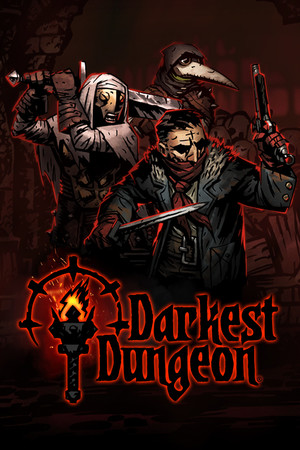





Review evidence
Why players say this
Review evidence
Why players say this
What players like
Highly enjoyable and charming gameplay: Players consistently praise the game's enjoyable and charming core experience, highlighting its addictive gameplay loop, tense strategic elements, and rewarding progression. The game's mechanics and design are frequently compared favorably to titles like *Darkest Dungeon* and *Etrian Odyssey*.
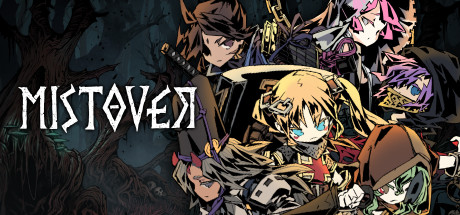
Appealing art style and character design: The game's anime-inspired art style, cute yet dark aesthetic, and well-designed characters are frequently highlighted as major strengths. The contrast between adorable characters and an apocalyptic setting adds to its unique appeal.
Strategic and replayable combat: The turn-based combat system is praised for its depth, counterplay options, and replayability. Features like the 3x3 formation system, combo attacks, and class synergies encourage diverse strategies and long-term engagement.
Unique twist on *Darkest Dungeon* formula: The game is widely recognized for innovating on the *Darkest Dungeon* formula, particularly through its grid-based positioning system, faster gameplay pace, and unique mechanics like leader-switching and tile-based combat. This appeals strongly to fans of the genre.
Deep and customizable difficulty: The game offers extensive difficulty customization, allowing players to adjust or disable mechanics like the Doomsday Clock, enemy spawn rates, and cooldowns. Updates have also improved balance, making the game more accessible without sacrificing challenge.
Common complaints
Poorly balanced RNG mechanics: Randomness heavily influences combat outcomes, equipment drops, and skill assignments. Players criticize the inconsistency of hit rates, evasion, and guard mechanics, as well as the reliance on luck for progression. This creates frustration and undermines strategic gameplay.
Repetitive and tedious gameplay: The game suffers from repetitive dungeon crawling, battles, and grinding mechanics. Players highlight issues like enemy respawns without rewards, slow combat tempo, and lack of variety in enemy compositions or dungeon designs. This repetition leads to boredom and fatigue, particularly in mid-to-late game.
Lack of quality-of-life features: The game lacks essential quality-of-life improvements, such as manual saving, mouse support, key rebinding, and fast-forward options for combat or cutscenes. These omissions make the game feel unpolished and cumbersome, particularly for PC players.
Insufficient post-launch support: Players express disappointment with the lack of meaningful updates, content expansions, or bug fixes post-launch. The game is perceived as abandonware, with updates focusing on minor optimizations rather than addressing core gameplay issues or adding new content.
Unbalanced economy and farming: The in-game economy is poorly balanced, with high costs for resources, skills, and equipment. Gold acquisition is insufficient, and farming for desired items is tedious and often yields irrelevant rewards. This makes recovery from setbacks or progression difficult.
Gameplay and performance
Darkest Dungeon-Inspired Design: The game draws heavy inspiration from *Darkest Dungeon*, incorporating elements like dungeon crawling, permadeath, Lovecraftian themes, and a turn-based combat system. It also blends mechanics from *Etrian Odyssey* and *Mystery Dungeon*, such as tile-based exploration and anime-style aesthetics.
Doomsday Clock Core Mechanic: The game features a unique 'Doomsday Clock' or 'Chaos Clock' mechanic that pressures players to complete dungeons efficiently. Failing to meet objectives (e.g., defeating all monsters, collecting all items) advances the clock, which can lead to save data deletion if it reaches zero. This mechanic adds tension and strategic depth to dungeon exploration.
Character Permadeath and Loss: The game features a permadeath-like system where characters can die permanently, though replacements can be hired. Character and equipment loss is a core mechanic, and players must strategize to mitigate these risks. Some reviews suggest this can feel punishing, especially in roguelike modes.
Randomized Skill and Equipment System: Characters learn random skills upon hiring, and skill upgrades are resource-intensive and randomized. Equipment upgrades are similarly unpredictable, requiring significant investment for minimal improvements. This adds replayability but may frustrate players seeking consistency.
3x3 Grid-Based Combat System: Combat is turn-based and takes place on a 3x3 grid, with characters positioned in lanes or columns. Combo attacks are limited to once per turn, and some abilities target rows or columns. This system encourages strategic positioning and team composition.
Combat system feels unbalanced: Multiple players report that certain weapons, abilities, or enemy types are overpowered or underpowered, leading to frustrating or trivial encounters. Some suggest reworking damage values or cooldown timings for better fairness.
Story lacks depth and engagement: Players describe the narrative as shallow, predictable, or poorly paced, with underdeveloped characters and weak dialogue. Some mention that side quests feel repetitive and fail to add meaningful context to the main plot.
Technical performance issues: Frequent complaints about frame rate drops, bugs, and crashes, particularly during intense combat or in specific areas of the game. Players on both PC and console platforms report these issues, suggesting optimization is needed.
Multiplayer connectivity problems: Players experience frequent disconnections, long matchmaking times, and lag in online modes. Some mention that these issues make cooperative or competitive play nearly unenjoyable.
Loot system is unsatisfying: Feedback indicates that loot drops feel random and unrewarding, with too many duplicates or low-value items. Players suggest adding more meaningful progression or customization options tied to loot.
Recommendations
Mixed recommendations based on preferences: The game receives highly polarized recommendations, with some players loving it for its art style, strategic depth, and Darkest Dungeon-like mechanics, while others criticize its excessive difficulty, punishing mechanics, and lack of fulfillment. The feedback suggests the game appeals strongly to a niche audience but may frustrate or disappoint others.
Niche appeal for hardcore players: The game is strongly recommended for players who enjoy methodical, strategic, and punishing roguelike experiences, particularly fans of *Darkest Dungeon* and *Etrian Odyssey*. However, it is explicitly not recommended for casual players or those seeking a relaxed experience.
Value concerns at full price: Several reviewers question the game's value at full price, suggesting it is only worth purchasing on sale or after future updates. Some feel the game is incomplete or overly punishing for its cost, while others believe it justifies its price for the right audience.
Other review notes
Game enjoys dedicated fanbase despite flaws: Many players, despite initial hesitation due to negative reviews or high difficulty, found enjoyment in the game after investing significant time (e.g., 100+ hours). Updates have mitigated some of the earlier criticisms, and players appreciate the depth of mechanics, though they acknowledge the game's punishing nature. The modding community is seen as a potential source of future improvements.
Early access would have suited development: Multiple players express that the game would have benefited from an early access model, allowing for more iterative feedback and improvements before its final release. The current state of the game suggests it was released prematurely, leading to unaddressed issues.
Low-quality or biased feedback noted: Some reviews mention distrust in feedback from specific player groups (e.g., Chinese players), suggesting potential bias or review-bombing. This point is included for transparency but is assigned low importance due to its speculative nature and lack of concrete evidence.
Game removed from sale abruptly: The game was delisted from sale following a service termination announcement, leaving players unable to purchase it. This has also disrupted ongoing community efforts, such as guide creation, and may deter new players from experiencing the game.
Updates improve but core issues remain: Recent updates (e.g., 1.0.3c) have addressed some issues, such as reducing resource consumption and freeing up inventory space for journals. However, persistent problems like skill reset mechanics, character loss recovery, and economic pressure continue to hinder player experience.