- Praised Gothic Art Style
- Engaging Turn-Based Gameplay
- Deep and Immersive Storyline
- Frustrating RNG mechanics
- Unbalanced and unfair gameplay
- Excessive grinding required
Emotions
Archetypes
Hardware
What players like:
Common complaints:
Gameplay feedback:
Performance notes:
Recommendations:
Other player notes:
Similar games
Blend with other games




Review evidence
Why players say this
Review evidence
Why players say this
What players like
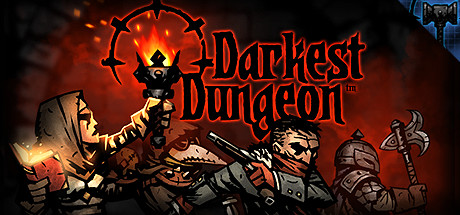
Praised Gothic Art Style: The game's art style is frequently highlighted as unique, dark, and visually appealing, contributing significantly to its atmosphere.
Engaging Turn-Based Gameplay: Players appreciate the strategic and challenging nature of the turn-based combat, which is described as fun and well-executed.
Deep and Immersive Storyline: The storyline is noted for being engaging and immersive, often based on Lovecraftian mythology, which adds to the game's appeal.
High Replay Value: The game offers high replayability due to its roguelike elements and the availability of mods, ensuring long-lasting appeal.
Challenging and Rewarding: The game is often described as challenging yet fair, providing a rewarding experience for players who enjoy strategic and demanding gameplay.
Common complaints
Game is very challenging: The game is frequently described as very difficult, hard, and challenging. Players mention that it requires careful planning and can be unforgiving and punishing.
Frustrating RNG mechanics: The game's reliance on randomness (RNG) is a common complaint. Players find it unfair and frustrating, affecting combat and overall gameplay significantly.
Unbalanced and unfair gameplay: Many players find the gameplay unbalanced and unfair. This includes issues with game design and mechanics that feel unjust or poorly balanced.
Excessive grinding required: Players often mention that the game requires excessive grinding, which can make the gameplay feel repetitive and tedious.
Repetitive missions and gameplay: The game is criticized for having repetitive missions and gameplay elements, leading to a monotonous experience.
Gameplay and performance
Challenging and punishing gameplay: The game is noted for its high difficulty and challenging gameplay, often compared to Souls-like games. Players appreciate the depth and variety but also mention the punishing nature and trial-and-error mechanics.
Character progression and permadeath: The game features a robust character progression system with permadeath mechanics. Players must manage character development and cope with permanent loss, adding a layer of strategy and emotional investment.
Stress and trauma mechanics: A unique aspect of the game is its stress and trauma mechanics, which require players to manage their characters' mental states. This adds an extra layer of complexity and realism to the gameplay.
Difficulty and fairness concerns: Some players find the game's difficulty unfair due to randomness and obscurity in gameplay mechanics. This can lead to frustration and a sense of unpredictability.
Tactical and strategic combat: Combat in the game is tactical and requires strategic decision-making. Players must carefully plan their moves and manage resources effectively.
Frequent crashes and errors: Many players report that the game frequently crashes and has various errors, including graphical glitches. This significantly impacts the gaming experience.
Stable performance noted: Some players have experienced stable performance and noted improvements in stability, suggesting that the game can run smoothly under certain conditions.
Occasional lag experienced: Some players report experiencing occasional lag, which can disrupt gameplay and affect overall performance.
Lack of borderless fullscreen: The absence of a borderless fullscreen mode is a noted issue, which can affect the gaming experience for those who prefer or require this display option.
Freezing during auto-save: The game has been reported to freeze during the auto-save process, which can be frustrating and disruptive to the gaming experience.
Recommendations
Highly recommended game: The game is highly recommended by many players for its emotional depth, challenging gameplay, and overall experience. It is particularly suggested for fans of the genre and those who enjoy tough games.
Recommended for strategy and atmosphere: The game is recommended for players who enjoy tough games with a strong atmosphere and satisfying progression. It is also suggested for fans of strategy and atmospheric games.
Worth the investment: The game is considered worth the price, especially when on sale. It is seen as a valuable investment for those who enjoy the genre.
Worth experiencing despite flaws: The game is considered worth experiencing despite its flaws and challenges, offering a unique and engaging experience.
Recommended for specific fan bases: The game is recommended for fans of dungeon crawlers, dark atmosphere, black humor, team management, and Lovecraftian themes.
Buying context
Community fair range: $1.00 - $5.00.
Game completion: 200.0h.
The game is initially fun and addictive, especially during the early gameplay loop of expeditions and upgrades. However, it becomes repetitive and tedious over time due to grinding and level gating.
Reported time to anchor: 1h.
Friction: repetitive and tedious gameplay; grinding and level gating; controlled chaos leading to repetitive fights.
Unlock drivers: addictive gameplay loop; unpredictable events and enemies; progression and upgrading.
Player profiles
Frustrated Grinder: Grinds through content despite finding it tedious and frustrating. Motivation: Seeking a challenging but rewarding experience. Stance: no buy.
Atmosphere Seeker: Enjoys the game for its atmosphere and strategy but gets bogged down by repetitive tasks. Motivation: Enjoying the game's atmosphere and strategic elements. Stance: sale.
Multiplayer Strategist: Focuses on multiplayer and custom modes, enjoys strategic depth. Motivation: Enjoying multiplayer and custom game modes. Stance: sale.
Platform notes
The game exhibits mixed performance across different hardware cohorts, with lower VRAM systems experiencing significant issues while higher VRAM configurations generally report stable performance despite some microstutter and frame timing inconsistencies.
Windows <8GB VRAM: mixed. Performance varies with some users experiencing frequent crashes and frame rate issues, while others report smooth gameplay.
Windows 12-15GB VRAM: positive. Generally stable performance with some reports of microstutter and frame timing inconsistencies, but overall runs well.
Steam Deck: The analysis of user feedback for the Steam Deck experience reveals several critical issues. Users frequently encounter problems with mod compatibility, requiring the use of Proton Experimental for stability. Game crashes and instability are common, significantly impacting the user experience. Additionally, there are notable UI/UX issues, including small text and complex controls. Launch issues, such as black screens and crashes, are also reported. These technical barriers contribute to a less than optimal gaming experience on the Steam Deck.
Linux and Proton: The game generally runs well natively on Linux, with users reporting good performance. However, there are some compatibility issues with mods that require the use of Proton or Proton Experimental to function correctly.
Extra review signals
Monetization: The analysis of user reviews for Darkest Dungeon reveals a mixed sentiment regarding the game's DLCs. While some users find the DLCs overpriced and necessary to make the game easier, others appreciate the additional content and value, especially when purchased at a discount. Technical issues related to DLCs, such as inventory problems, are also mentioned. The modding community is highlighted as a positive aspect, adding significant value to the game. Overall, the reviews indicate that the DLCs have both positive and negative impacts on the user experience.
Mod reliance: The game has a high difficulty level and low tolerance for mistakes, making it frustrating for some players. However, mods are widely praised for rescuing the game and enhancing the overall experience. While the base game may have its issues, the modding community plays a crucial role in improving and saving the game for many players.
External guides: The analysis of user feedback reveals that the primary issues are related to the game's complexity and the necessity of using external guides or wikis to understand and progress through the game. Many users find the game difficult and often frustrating without external resources. Additionally, some users report bugs and technical issues that hinder their experience. Despite these challenges, users acknowledge that the game can be enjoyable and rewarding once they understand the mechanics and strategies involved.
Other review notes
Similar to Dark Souls' hubs: Players have noted that this game's hub area is reminiscent of Firelink Shrine and Majula from the Dark Souls series.