- Unique characters with well-designed abilities.
- Fluid, responsive combat provides rewarding experience.
- Captivating art style enhances the game's atmosphere.
- Multiplayer suffers from disconnects and crashes.
- Repetitive gameplay due to lack of content.
- Poor difficulty scaling and unbalanced enemies.
What players like:
Common complaints:
Gameplay feedback:
Performance notes:
Recommendations:
Other player notes:
Similar games
Blend with other games





Review evidence
Why players say this
Review evidence
Why players say this
What players like
Unique, well-designed characters: The game features a diverse cast of well-designed characters, each with unique abilities, playstyles, and backstories. The characters are balanced and fun to play, and the game encourages experimentation with different characters to find a favorite. The characters also have unique interactions and dialogues that add to the immersion.
Fluid, responsive, rewarding combat: The game features well-designed combat that is fast-paced, fluid, and responsive. Enemy attacks are well-telegraphed, and the controls are smooth, making dodging and weaving attacks satisfying. Mastering the combat is rewarding and empowering, with a high skill ceiling that allows skilled players to excel.
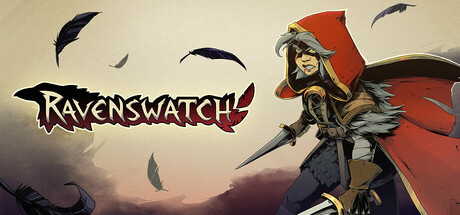
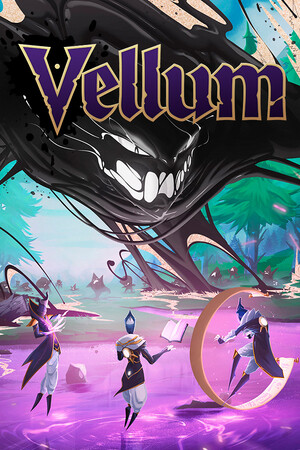
Unique, captivating art style: The game has a unique and captivating art style, with a dark fairy tale aesthetic that is reminiscent of games like Darkest Dungeon and Curse of the Dead Gods. The visuals are well-crafted and create a specific mood, complemented by atmospheric music and sound design. The game also features characters from fairy tales and stories, such as Little Red Riding Hood and Aladdin, adding to the game's charm.
Challenging but fair difficulty: The game offers a challenging but fair experience, with multiple difficulty levels to suit different play styles. The game is easy to learn but hard to master, with a satisfying sense of progression as players improve their skills and understanding of the mechanics. The game also features a timer mechanic that forces players to make strategic decisions on how to best spend their time.
Varied enemies and challenging bosses: The game features a variety of enemies and bosses, each with unique attacks and mechanics. The boss fights are challenging and rewarding, testing the effectiveness of the player's build and skill. The game also features procedurally generated levels and random events, ensuring that each run is different.
Common complaints
Poor difficulty scaling, unbalanced enemies: Difficulty scaling is poorly implemented, especially in multiplayer. Enemies become excessively tanky and deal high damage, leading to frustrating and tedious encounters. The game's difficulty often feels artificial, relying on stat inflation rather than engaging mechanics.
Lacks content, repetitive gameplay: The game suffers from a lack of content and replayability. Players report repetitive environments, enemy types, and quest objectives. The limited number of maps and bosses, combined with a lack of meaningful story progression, makes the game feel stale quickly.
Limited progression, build variety: The game's progression system feels unrewarding and limited. Players report a lack of meaningful meta-progression and build variety. The reliance on RNG for talents and items, combined with a limited number of rerolls, can lead to frustrating and unviable runs.
Unstable multiplayer, disconnects, crashes: Multiplayer suffers from various technical issues. These include frequent crashes, disconnects, and lobby problems, often resulting in lost progress and frustration. The lack of a reconnect feature and host migration exacerbates these issues, making the multiplayer experience unreliable.
Frustrating design, poor QoL: Several design choices contribute to a frustrating player experience. These include a lack of a pause function in multiplayer, limited communication options, and questionable hit detection. Enemy design and behavior, such as excessive aggro range and unavoidable attacks, further detract from enjoyment.
Gameplay and performance
Forced timer pressures strategic play: The game features a prominent timer mechanic, typically around 15-20 minutes per act, which pressures players to efficiently explore maps, complete objectives, and strengthen their characters before facing a boss. While a modifier exists to disable the timer, it prevents unlocking harder difficulties. This time constraint significantly impacts gameplay, forcing prioritization and strategic decision-making.
Unique heroes with diverse abilities: Each hero has unique abilities and playstyles, encouraging experimentation and strategic team composition. Characters can level up during a run, unlocking new skills and talents that modify their abilities. There's also a meta-progression system where leveling up characters outside of runs unlocks more perks.
Randomized maps offer varied experiences: Maps feature randomized elements such as points of interest, enemy placements, and item locations, contributing to unique runs. However, some reviewers felt the limited number of maps and bosses led to repetitive gameplay despite the randomization.
Co-op emphasizes teamwork/coordination: The game features online co-op for up to 4 players, emphasizing team play, coordination, and situational awareness. Difficulty scales with the number of players, requiring teamwork to succeed. Some characters are designed with collaborative abilities, making them challenging to play solo.
ARPG/MOBA-inspired combat is engaging: The game blends ARPG and MOBA elements with hack-and-slash combat. The fighting system is engaging and encourages players to experiment with builds and combos. Some reviewers compare the gameplay to Diablo or League of Legends.
Crashing and disconnect issues: Crashing issues are a recurring problem, especially in multiplayer or after updates, sometimes leading to lost progress. Disconnects can also negate progress, even if allies complete the run. These issues detract from the overall experience.
Generally polished, few bugs: Many reviewers did not encounter any significant bugs or technical problems. The game is described as polished, indicating a generally stable and well-executed experience for many players.
Steam Deck UI readability issues: The game runs flawlessly on Steam Deck, but the interface is hard to see and read, even on a proper monitor, and especially on Steam Deck.
Unstable multiplayer experience: Several reviews mention buggy online multiplayer and unstable network connections. This results in a less enjoyable experience for those playing with others. Some reviews mention improvements over time.
"Genie Strength" talent bug: One specific bug was reported where the "Genie Strength" talent did not function correctly until VSync was disabled or the monitor refresh rate was lowered. This is a specific, actionable issue that could be addressed by the developers.
Recommendations
Fun, engaging, worth the price: Many reviewers recommend the game, citing its fun and engaging gameplay, especially in co-op. The game is considered worth its price, particularly when on sale. Reviewers highlight the game's potential and express overall positive experiences.
Better with friends (co-op): The game is more enjoyable and easier with friends due to co-op enhancements. Reviewers suggest playing with friends for a better experience. However, some reviewers note that the game is not co-op friendly due to difficulty scaling issues.
Compared to other roguelikes: The game is often compared to other popular roguelikes like Hades, Risk of Rain, and Curse of the Dead Gods. Some reviewers consider it a good alternative, especially for those seeking a co-op experience. However, some reviewers feel that it falls short compared to these titles.
Multiplayer quality varies widely: The game's multiplayer experience can vary depending on the players involved. Playing with random players can be unreliable, while pre-made teams tend to have a better experience. Some reviewers find co-op with more players frustrating, especially for casual gamers.
Needs better replayability incentives: The game needs better incentives for replayability, such as a proper progression system. Reviewers hope that the developers will add new events and activities to keep players engaged. Some reviewers find the game repetitive after a certain point.
Other review notes
Active post-launch support: The developers are actively supporting the game post-launch with frequent updates, new content, and balance patches based on player feedback. They have a public roadmap outlining future content, including new characters, abilities, and game modes, which has generated excitement among players. This ongoing support significantly improves the game and addresses initial shortcomings.
Dark fairy tale setting: The game is set in a dark fairy tale universe called Reverie, featuring twisted interpretations of classic fairy tale characters and folklore. The art style is reminiscent of Darkest Dungeon, with a grimdark cartoon aesthetic. The story is revealed through notes, memoirs, and voiced diary entries, adding depth to the engaging experience.
Varied character roster: The game currently features nine playable characters, each with unique playstyles and upgradeable talents. Some reviewers desire more ranged heroes, dedicated healers, and heroes with interesting debuffing mechanics. The developers plan to add more characters in future updates, which players are eagerly anticipating.
French development team: The game is developed by a French studio, which is noticeable in the voice actors' accents. The voice acting is generally well done. This is a minor point, but provides some context about the game's development.
Average game length: The average game run takes approximately one hour, with each act lasting around 18 minutes plus loading times. This provides a reasonable time commitment for individual sessions. This is a minor point, but provides useful information for players deciding whether to try the game.