- Captivating retro aesthetic and atmosphere
- Engaging and fun core gameplay
- Rich Lovecraftian lore and themes
- Lacks depth and content
- Frequent crashes and mouse issues
- High difficulty and RNG

Emotions
What players like:
Common complaints:
Gameplay feedback:
Performance notes:
Recommendations:
Other player notes:
Similar games
Blend with other games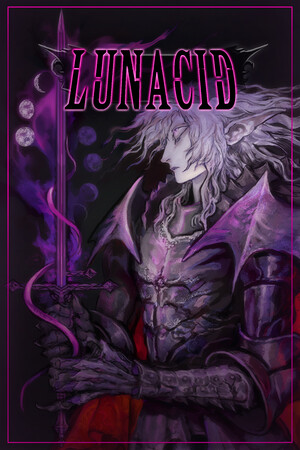




Review evidence
Why players say this
Review evidence
Why players say this
What players like
Captivating Retro Aesthetic & Atmosphere: Players consistently praise the game's unique and captivating aesthetic, particularly its retro, monochrome, pixelated graphics and sound design, which effectively create a mysterious and immersive Lovecraftian atmosphere. This visual and auditory style evokes nostalgia for classic RPGs and enhances the overall experience.
Rich Lovecraftian Lore & Themes: The game's deep and emerging lore, combined with its faithful Lovecraftian themes, is a significant draw. Players are immersed in the world, enjoying the discovery of secrets and the successful implementation of Lovecraftian concepts like sanity and powerlessness.
Engaging & Fun Core Gameplay: The core gameplay, particularly the dungeon crawling and RPG mechanics, is widely enjoyed for being fun, addictive, and well-designed. Players appreciate the challenging-yet-fair difficulty, the strategic depth, and the variety of options that encourage multiple playthroughs and exploration.
Strategic Depth & Player Agency: Players value the game's approach to player guidance, which avoids handholding and encourages discovery. The game's complexity and various options allow for diverse playstyles and strategic choices, enhancing replayability.
Responsive & Active Developer: The developer's active engagement, responsiveness to feedback, and consistent updates are highly appreciated. Players note that the game feels polished despite being in Early Access, indicating a strong commitment to quality and player satisfaction.
Common complaints
Lack of depth and content: Players feel the game lacks depth and meaningful content, especially regarding exploration, world interaction, and character systems. The map and world feel empty, and there are few rewards for exploration or engaging with the affinity system.
Frequent crashes and mouse issues: Frequent game crashes are a major issue, often leading to lost progress, especially since saving in dungeons is not possible. Additionally, there are persistent problems with mouse controls, including inconsistent sensitivity and the game altering desktop settings after crashes.
High difficulty and RNG: The early game and dungeon difficulty are perceived as excessively high, leading to frequent player deaths and a reliance on luck. This is exacerbated by randomized character stats that force players to reroll characters, creating a frustrating initial experience.
Unfinished and unpolished: The game feels unfinished and basic, with simple objectives and a lack of overall direction. Many players believe it needs significant polish and additional features to be considered a complete and worthwhile experience.
Missing story and lore: Players note a significant absence of a compelling narrative or rich lore within the game. This lack of background story detracts from immersion and engagement.
Gameplay and performance
Strategic Ally Recruitment: A core mechanic involves recruiting various NPCs and creatures as allies, similar to Shin Megami Tensei. These allies have their own needs, factions, and can be hostile to other potential party members, requiring strategic choices in party composition.
Challenging but Rewarding Gameplay: The game presents a significant challenge, often requiring players to learn through trial and error, improve stats, and acquire better gear or allies. While a playthrough can be short, mastering the game and exploring its roguelike elements can extend playtime considerably.
Varied Exploration Perspectives: The game features extensive, complex dungeons with a first-person perspective, reminiscent of classic dungeon crawlers. The overworld exploration, however, is presented in an isometric or top-down view, offering a blend of 2D and 3D environments.
Combat Retreat Options: Combat offers options for strategic retreat, including a single chance to flee or the ability to yield to enemies. Fleeing successfully places the player near the dungeon exit, while yielding results in item and ally loss but preserves the player's life.
Manual Save System: The game lacks an auto-save feature, making manual saving crucial. Players are advised to save frequently, as they can do so at any time outside of combat, conversation, or trade.
Early access, expected bugs: Players acknowledge that the game is in early access and, as such, expect some technical issues and bugs. They understand that frequent updates are part of the early access experience.
Nvidia PhysX window on startup: A specific technical issue was noted where a strange window with Nvidia PhysX logos appears upon game startup. This indicates a minor, but noticeable, display bug.
Recommendations
Genre & Theme Appeal: The game is highly recommended for fans of atmospheric, exploration-driven games, especially those with retro RPG elements and Lovecraftian themes. It successfully captures a sense of dread and being lost.
Highly Recommended Game: Many players express strong overall satisfaction, deeming the game excellent and a worthwhile purchase. They highly recommend it to others.
Try the Demo First: Players are strongly advised to try the demo, especially given the game's price point. If the demo is enjoyed, the full game is considered a worthwhile purchase.
Improve Exploration Rewards: A player suggests improvements for exploration rewards, dungeon loot, and overall objectives. This indicates a desire for more compelling reasons to explore and engage with the game's systems.
Strategic Save Usage: One player suggests that for a more authentic and challenging retro experience, players should avoid over-reliance on save points, implying a design choice that encourages careful play.
Other review notes
Developer responsiveness and support: Players appreciate the developer's ongoing commitment to improving the game and their direct, thoughtful engagement with player feedback. This suggests a positive outlook for future game development and player experience.
Dungeon reset bug fixed: Players noted that a significant bug causing dungeons to reset upon exit was addressed and fixed in a patch released on January 28th. This indicates active developer support and responsiveness to critical issues.