- Authentic PS1 aesthetic and strong nostalgia
- Engaging roguelike mystery dungeon blend
- High value, addictive, and challenging gameplay
- Unbalanced combat and movement issues
- Repetitive and punishing progression system
- Limited weapon and build customization
Emotions
What players like:
Common complaints:
Gameplay feedback:
Performance notes:
Recommendations:
Other player notes:
Similar games
Blend with other games







Review evidence
Why players say this
Review evidence
Why players say this
What players like
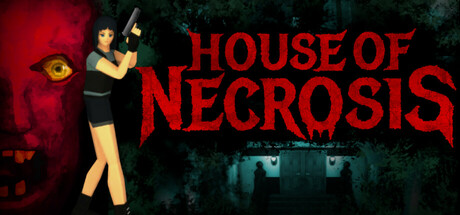
Authentic PS1 Aesthetic & Nostalgia: Players highly praise the game's faithful PS1-era visuals, sound design, and overall atmosphere, noting strong nostalgic ties to classics like Resident Evil and Final Fantasy. This aesthetic is considered perfectly executed and a key draw.
Engaging Roguelike/Mystery Dungeon Blend: The game successfully combines roguelike and Mystery Dungeon mechanics with survival horror elements, creating a unique and highly replayable gameplay loop. Players appreciate the tension of losing items on death and the strategic depth.
High Value & Addictive Gameplay: Reviewers find the game incredibly fun, rewarding, and addictive, offering significant replayability and hours of entertainment for its price. The balance and overall quality are frequently highlighted as excellent.
Challenging & Rewarding Difficulty: The game offers a good challenge, especially in later stages and bonus dungeons, requiring players to adapt and learn. The extraction mechanic is praised for making the experience less punishing while maintaining tension.
Deep Item & Spell Systems: The game features a rich variety of spells, items, and unique modifiers, encouraging experimentation and mastery. This depth contributes significantly to replay value and strategic combat.
Common complaints
Unbalanced Combat & Movement: Players frequently encounter unfair combat scenarios due to unbalanced enemies, limited diagonal movement, and being trapped in rooms. This leads to repetitive and frustrating gameplay, often forcing players to exploit room entrances.
Repetitive & Punishing Progression: The game suffers from a lack of post-game content and replayability, with players forced to repeat early floors and re-fight bosses on every run. The loss of all items and levels upon death is also a significant deterrent, making progression feel grindy and unrewarding.
Limited Weapon & Build Customization: Players desire more customization and attachment to weapons, as current options feel uninspired. Several mechanics, such as 'Refund Ammo on Kill,' healing builds, and enrage buffs, are ineffective or nerfed, making certain playstyles unviable.
Poor Resource Management & Item Utility: Ammunition for ranged weapons is scarce, and spells are single-use without a clear recharge mechanism. Many items, like colored serums and locked boxes, are perceived as more detrimental than helpful, and inventory space is severely limited by rare and expensive pouches.
High Difficulty & Cryptic Mechanics: The game is perceived as brutal and daunting, especially for new players, with a high frequency of deaths. Some mechanics are initially cryptic, contributing to the steep learning curve.
Gameplay and performance
Roguelite Mystery Dungeon Gameplay: The game is a turn-based, top-down roguelite RPG featuring procedurally generated dungeons. It draws heavy inspiration from classic Mystery Dungeon games like Chocobo's Mystery Dungeon and Shiren the Wanderer, combined with a Resident Evil aesthetic.
Permanent Progression System: Players can acquire permanent upgrades such as increased inventory slots and new magic spells that persist across runs. While some magic spells are single-use per run, the ability to learn and retain them, along with inventory expansions, provides a sense of lasting progression.
Diverse and Tactical Enemies: Enemies possess unique attacks and gimmicks, often telegraphed by animations, requiring players to use careful planning, spells, or movement to circumvent damage. The game features a variety of enemy types, including zombies, animals, and unique bosses.
Extraction and Death Mechanics: A core gameplay loop involves extracting from a dungeon run to keep found items and gear, which can then be stored or sold. Dying results in the loss of all carried items, emphasizing strategic retreats and resource management.
Post-Game Content and Secrets: The game offers substantial content after the main story, including bonus dungeons with unique gimmicks and an NPC guide to uncover more secrets. Players can also experiment with stronger equipment in the post-game.
Excellent hardware compatibility: Players report that the game runs smoothly across various hardware configurations, including the Steam Deck. This indicates good optimization and accessibility for a wide range of players.
Recommendations
Highly Recommended Roguelike Experience: Players overwhelmingly recommend this game, especially to fans of roguelikes, Mystery Dungeon, Resident Evil, and Final Fantasy. Many consider it a must-buy and a solid entry in the genre, praising its unique blend of elements.
Try the Demo First: Some players suggest trying the demo to see if the game's mechanics and style appeal to them. One reviewer noted the demo offered more creative character builds.
Not for Frustration-Prone Players: One specific piece of feedback indicates the game might not be suitable for players who easily get frustrated by in-game deaths, hinting at a challenging roguelike experience.
Other review notes
Game length is short: Players completed the main story (Normal and True Endings) in approximately 10-15 hours. There's a desire for more content and longer gameplay experiences, with some hoping for future updates to extend the game.
Long development anticipation: Some players have followed the game's development for several years, indicating a dedicated fanbase and high anticipation prior to release. This suggests a strong connection to the developer's vision.
Low grind compared to peers: The game's grind levels are noted as being less intense than other rogue-like titles like Rogue Legacy. This could be a positive for players who dislike excessive grinding.
Potential for high-budget version: One reviewer expressed interest in a high-budget iteration of the game's core concept. This suggests the underlying idea is strong and could scale well with more resources.
Developer's positive reputation: The developer, Warkus, is described as a 'super chill person.' While not directly related to gameplay, a positive developer image can foster community goodwill.