- Story and themes highly praised by critics
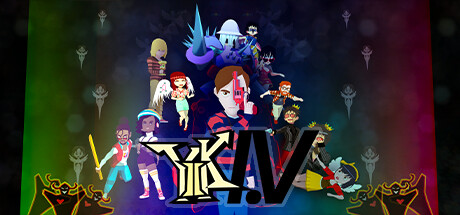
- Visually striking and unique art style
- Exceptional and diverse soundtrack experience
- Poor character and story execution issues
- Excessive and awkward cutscenes disrupt flow
- Overly abstract and polarizing themes present
Emotions
What players like:
Common complaints:
Gameplay feedback:
Performance notes:
Recommendations:
Other player notes:
Similar games
Blend with other games




Review evidence
Why players say this
Review evidence
Why players say this
What players like
Story and themes highly praised: Players consistently highlight the engaging, surreal, and thought-provoking narrative, along with deep character development and postmodern themes. The story's emotional resonance and layered symbolism are frequently cited as standout features.
Visually striking and unique art style: The game's surreal, trippy, and colorful visuals are consistently praised for their creativity and cohesion with the narrative. The art direction, cutscenes, and cinematography are highlighted as key strengths.
Soundtrack is exceptional and diverse: The game's music is frequently described as incredible, diverse, and memorable, with standout tracks that enhance the overall experience. The soundtrack is often cited as one of the best aspects of the game.
Combat system is a major improvement: The revamped battle system, particularly the Karta and card-based mechanics, is widely praised for being fun, strategic, and dynamic. Players appreciate its depth, fluidity, and how it enhances engagement compared to the original version.
I.V update significantly enhanced the game: The I.V update is credited with improving the game's story, combat, visuals, and overall accessibility. Players note that the update restructured the narrative, polished mechanics, and elevated the experience to a much higher standard.
Common complaints
Poor character and story execution: The game's narrative suffers from underdeveloped, one-dimensional characters and a convoluted, pretentious plot. Players criticize the lack of character growth, unlikable protagonists, and confusing storytelling with unresolved gaps.
Excessive and awkward cutscenes: Cutscenes are overly frequent, poorly paced, and often feature long pauses or uncomfortable camera work. Players highlight Alex’s excessive monologues and the lack of agency during gameplay segments.
Overly abstract and polarizing themes: The game’s philosophical and abstract themes are divisive, with some players finding them pretentious or incomprehensible. The surreal storytelling may alienate those seeking clarity or conventional narratives.
Uninspired enemy and world design: Enemies lack variety and consistency with the game’s setting, feeling random or uninspired. The world design is also criticized for poor dungeon layouts and excessive backtracking.
Frustrating dialogue and pacing: Dialogue is described as stilted, cringeworthy, or overly long, with no fast-forward option. Pacing issues, including excessive text and monologues, disrupt the flow and engagement of the story.
Gameplay and performance
Turn-based combat with Karta system: The game features a turn-based combat system with a unique Karta mechanic, allowing for stat boosts, barriers, and strategic customization. Players frequently highlight this as a core gameplay element, though some note balance issues.
Mini-games in combat actions: Combat often incorporates mini-games for attacks, dodging, or other actions, adding interactivity but potentially disrupting flow. Feedback is mixed on their effectiveness.
Mother-esque JRPG elements: The game retains quirky, experimental JRPG mechanics inspired by the *Mother* series, blending surrealism with traditional turn-based combat. Fans appreciate this nostalgic yet fresh approach.
Mind Dungeon leveling system: The Mind Dungeon serves as a platforming-based level-up system where players unlock skills and allocate stats. This manual progression system is a standout feature but may involve repetitive gimmicks.
Character interactions and immersion: Dialogue and protagonist interactions are noted for their depth, though some players find them overly verbose. Character reactions and lore updates enhance immersion.
Glitches and hitbox issues: Players encounter frequent glitches, including floor clipping, bad hitboxes, and camera issues during combat or in specific areas. These issues affect gameplay fluidity and fairness.
Frequent crashes and freezes: Players report consistent game crashes, softlocks, and freezing, particularly during combat or when fleeing fights. This severely disrupts gameplay and immersion.
Improved load times: The remastered version has significantly reduced load times on PC, removing sluggish mini-games and slow-loading scenes, which enhances the overall experience.
Awkward and laggy controls: Players report awkward controls and a slow, laggy UI, which hinder responsiveness and overall gameplay enjoyment.
Poor enemy pathfinding: Enemies exhibit poor pathing, leading to unrealistic or frustrating encounters. This impacts combat difficulty and player engagement.
Recommendations
Encourages open-minded playthroughs: Reviewers frequently advise players to stick with the game despite initial confusion or dislike, emphasizing its transformative potential. Some suggest playing with friends or analyzing its themes to enhance the experience.
Niche appeal for surreal RPG fans: The game is recommended for fans of surrealism, abstract visuals, and postmodern RPGs (e.g., Earthbound, Yume Nikki). Its unique themes and style make it a niche experience, not universally appealing but meaningful to specific audiences.
Highly emotional, challenging story: The game is praised for its sincerity, emotional depth, and narrative impact, appealing to players who value storytelling over gameplay mechanics. Many reviewers encourage others to approach it with an open mind to experience its true conclusion.
Polarizing reception, cult following: The game is described as overhated but memorable, with a cult following that appreciates its flaws as part of its charm. Some reviewers frame it as a cautionary tale or spectacle worth experiencing once.
Updates improve accessibility: The game’s updates (e.g., 1.5 or I.V) are highlighted as reasons to revisit or try the game, especially for those disappointed by the original. Newcomers and returning players are encouraged to experience the improvements.
Other review notes
Inspired by films and literature: The game draws heavily from films like *The Holy Mountain* and *Inherent Vice*, as well as novels by Murakami and *Welcome to the NHK*. These influences shape its surreal and philosophical tone.
Initial backlash, later appreciation: The game faced ridicule at launch but was later recognized for its depth and unique vision. Many players who initially dismissed it grew to appreciate its storytelling and gameplay.
Stylistic similarities to Persona: Players frequently compare the game to the Persona series, noting its stylistic and thematic influences. This includes narrative structure, character interactions, and aesthetic choices.
Postmodern storytelling misunderstood: Critics and players initially struggled with the game's postmodern narrative approach, leading to misinterpretations. Over time, its storytelling was re-evaluated as ambitious and layered.
Occult and psychedelic themes: The game incorporates occult concepts like Hermeticism and Alchemy, alongside psychedelic visuals. These elements contribute to its unique atmosphere and narrative depth.